
 Laser Hair Reduction
 Hair Re-Growth
 Acne/ Scar
 Skin Rejuvenation
 InstaGlow Solutions
 Pigmentation
 Anti-Aging
 More
More Body
BodyBest Hair Transplant In Pune: Cost, Benefits & Results

4.8
Google Ratings
10,000+
Procedures Done
Hair loss, thinning, and baldness are common concerns for both men and women, often triggered by genetics, hormones, stress, or age. If left unaddressed, they tend to progress toward more visible balding over time. A hair transplant is a permanent solution, which works by moving healthy hair follicles from a donor area to areas of thinning or baldness, allowing natural regrowth in the areas that need it most. For those searching for the best hair transplant in Pune, Oliva Clinics is a trusted choice. Every treatment begins with a hair transplant specialist evaluating your scalp, hair loss pattern, and donor availability before recommending a plan. The procedure is then performed using the advanced DHI (Direct Hair Implantation) technique, with hairlines customised to your facial structure for natural-looking results. Read on to learn what a hair transplant involves, who it is suitable for, and why Oliva is a trusted choice in Pune.

 Limited Period Offer

Book Appointment Now
 5 Minutes Call Back. Guaranteed!
Book Your Appointment Today
Limited Period Offer
Why Choose Oliva Clinic For Hair Transplant In Pune?
Oliva has been the trusted brand for offering advanced medico-aesthetic services and treatments related to hair and body concerns for the past 15 years. Here are the top reasons why Oliva stands as the primary choice for hair transplant in Pune:

Dermatologist-Led Expertise: At Oliva, only highly qualified surgeons perform every hair transplant procedure to ensure precision, safety, and long-lasting results.

Advanced Techniques: We specialise in offering the globally recognised DHI (Direct Hair Implantation) technique, which provides a natural-looking hairline with minimal scarring and faster recovery.

US FDA Technology: All our Oliva clinics in Pune are equipped with state-of-the-art infrastructure, advanced surgical facilities, and USFDA-approved technology to provide safe and effective hair transplants.

Customised Treatment Plans: At Oliva, we believe no two clients are the same. Hence, we thoroughly evaluate each client's scalp condition and hair type and understand their goals. Accordingly, we design a personalised plan that guarantees natural-looking results.

High Client Satisfaction: Thousands of clients in Pune and across India have trusted Oliva for successful hair restoration and other treatments, with a client satisfaction rate of 97%.

Transparent Pricing: Oliva is known for ethical practices and providing premium care at competitive prices. We offer transparent pricing for every treatment with no hidden charges.
Benefits Of Hair Transplant?
Hair transplant offers the following key benefits:


At Oliva Clinics, these benefits are delivered through advanced DHI technique and a personalised treatment plan, ensuring results that look natural and last.
DHI Hair Transplant In Pune At Oliva Clinics
At Oliva Clinics, we specialise in DHI (Direct Hair Implantation), an advanced hair transplant technique for the following reasons:
Hair Transplant Procedure At Oliva Clinics
Oliva Clinics’ hair transplant procedure in Pune follows three phases: a detailed pre-treatment assessment, the transplant procedure itself, and post-treatment care, performed by an experienced hair transplant surgeon.
Pre-Treatment

The treatment procedure starts with the review of your medical and hair-loss history, followed by a thorough scalp examination covering thinning and bald areas, hair loss pattern, and condition severity. The surgeon conducts a hair density assessment and a donor area evaluation to identify and examine available donor hair. Following this, they discuss your requirements, hair regrowth goals, and expectations, including your desired hairline, and provide an honest review of the results you can expect.
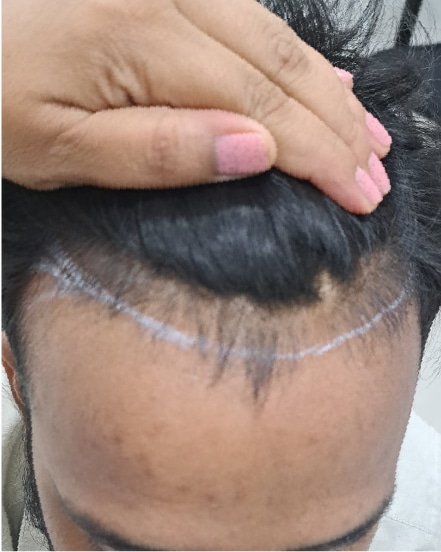
This is followed by hairline design and follicle planning. The medical team shaves your head and marks the hairline, along with grids on both the donor and recipient areas to facilitate precise extraction and implantation. They also take photographs to monitor your progress through the treatment.
During Treatment
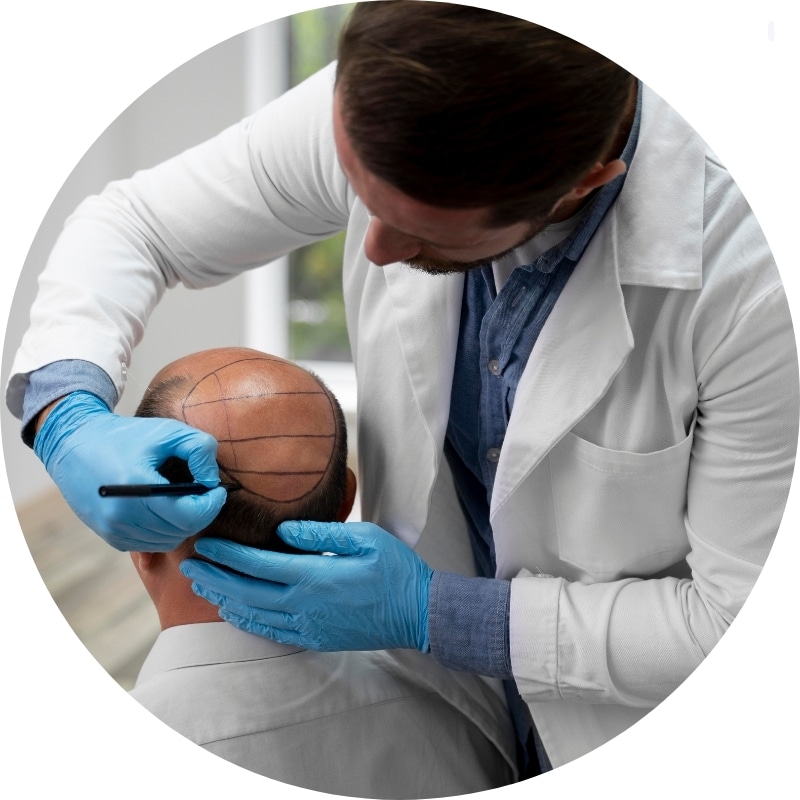
The procedure involves two key steps: Donor area preparation and implantation. They administer local anaesthesia to keep you comfortable throughout. The surgeon then extracts healthy hair follicles from the donor area and prepares them for implantation. After the extraction phase, you can take a lunch break before proceeding with implantation. The surgeon then places each follicle according to the planned hairline, angle, direction, and density for a natural-looking result. The entire procedure is performed in an operation theatre that is of global standards under strict safety, hygiene, and clinical protocols.
Post-Treatment

Once the transplant is complete, they cleanse your scalp and dress it up. The surgeon then explains the post-transplant care instructions, including when to wash your hair, how to sleep comfortably, sun-exposure precautions, and other activities to avoid during the initial healing period. You will also receive guidance on follow-up care and monitoring your progress as your transplanted hair grows.
At Oliva Pune, an experienced hair transplant surgeon performs the procedure – from assessment and hairline planning to follicle placement and post-procedure guidance.
How Much Does A Hair Transplant Cost In Pune?
The total cost of a hair transplant in Pune generally ranges from ₹1,00,000 to ₹4,00,000, with the average per-follicle cost ranging from ₹59 to ₹70. The cost varies for every individual based on the extent of the hair loss, the number of follicles required, and the client’s unique hair loss pattern. Our clinic team provides a personalised cost estimate after an in-depth consultation.
Book a consultation to get your exact hair transplant cost in Pune.
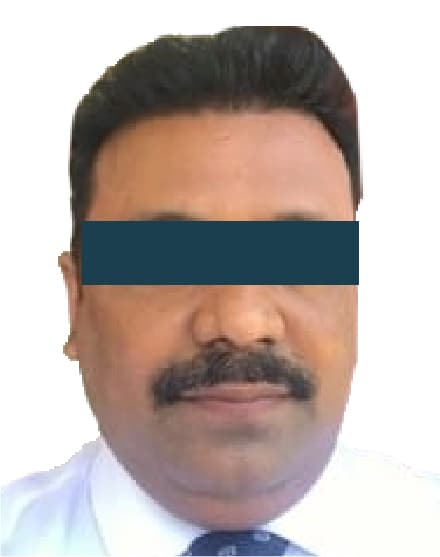
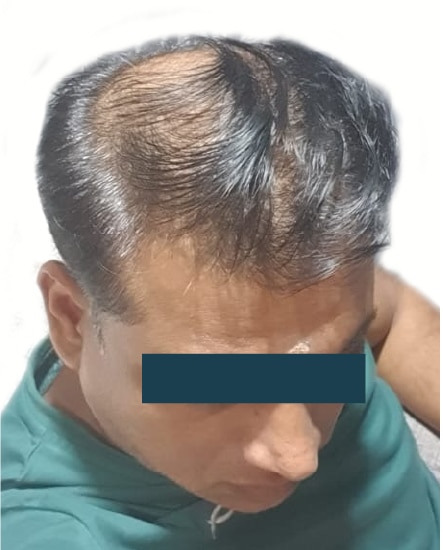
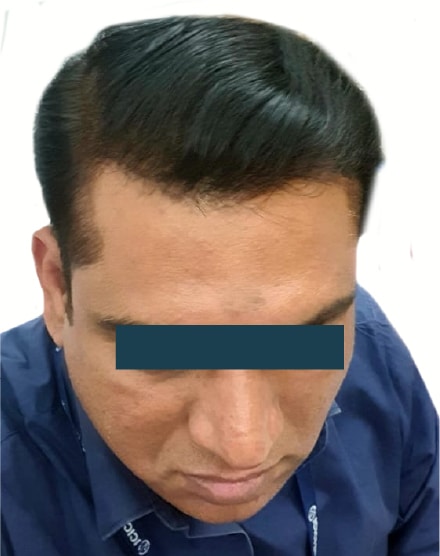
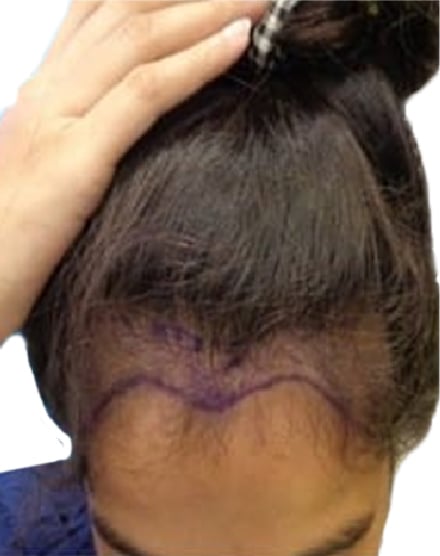
Before & After Results
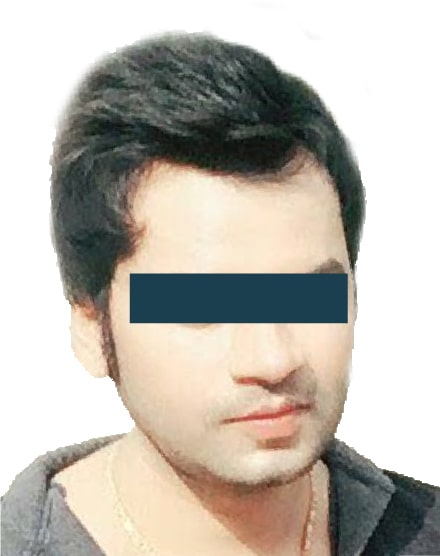
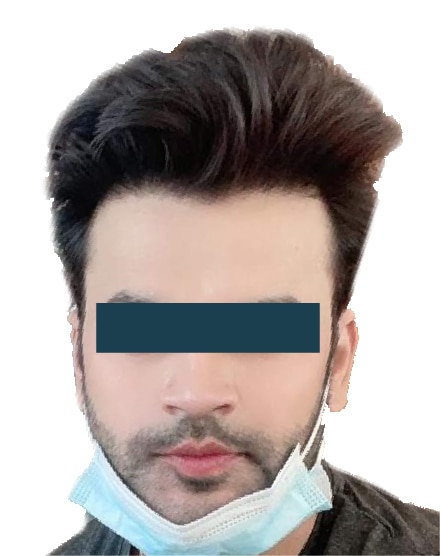
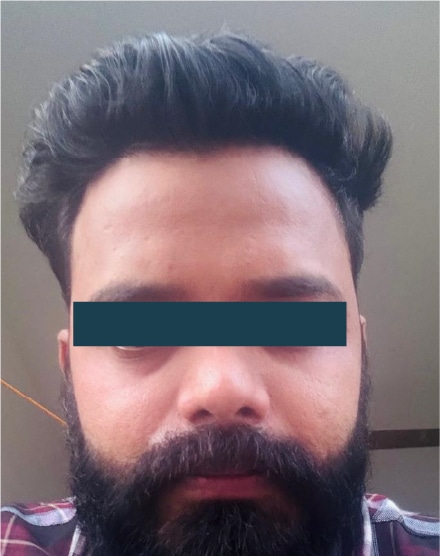
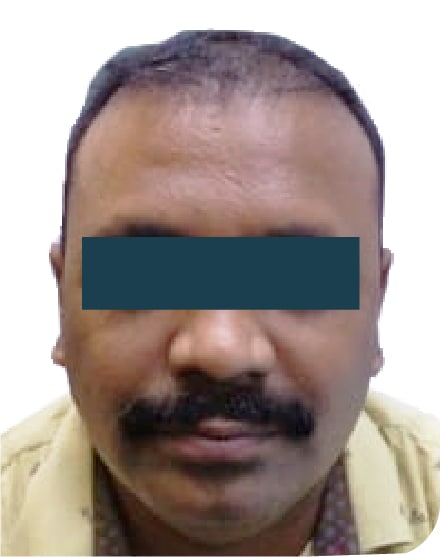
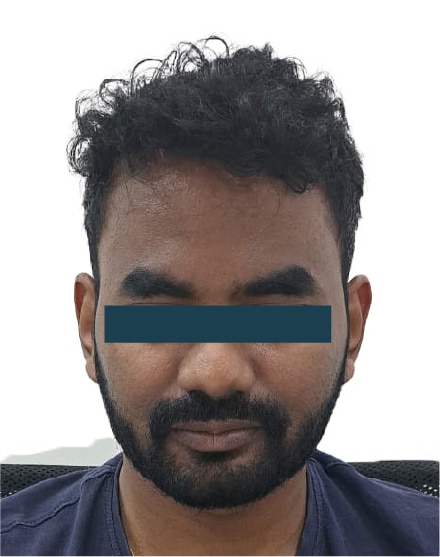
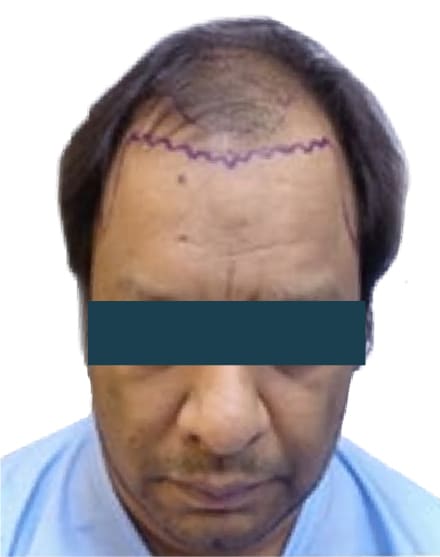
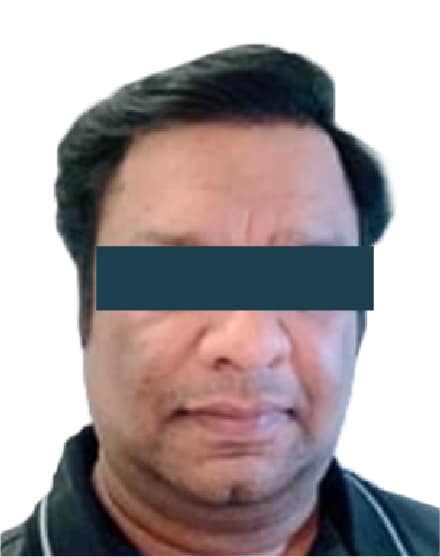
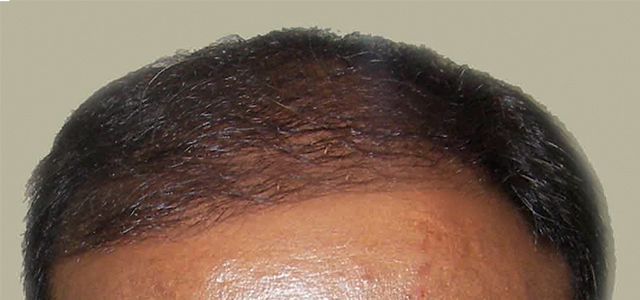
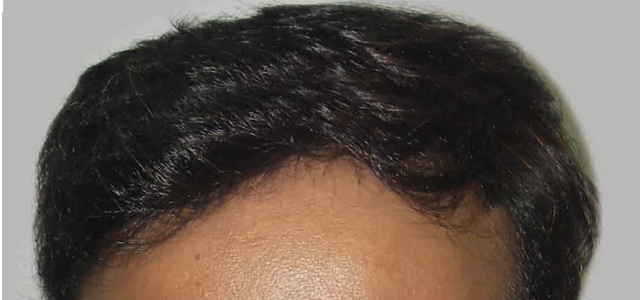
See the real difference for yourself: These before-and-after results reflect the trust our clients have placed in Oliva Clinics for their hair transplantation treatment.
 Before
 After
After
Client Name : Vikram Patel
Client ID: AW93X4721
 Before
 After
After
Client Name : Suresh Kumar
Client ID: KM03B6742
 Before
 After
After
Client Name : Ravi Menon
Client ID: HS48P9310
 Before
 After
After
Client Name : Rajesh Nair
Client ID: AW16Z2498
 Before
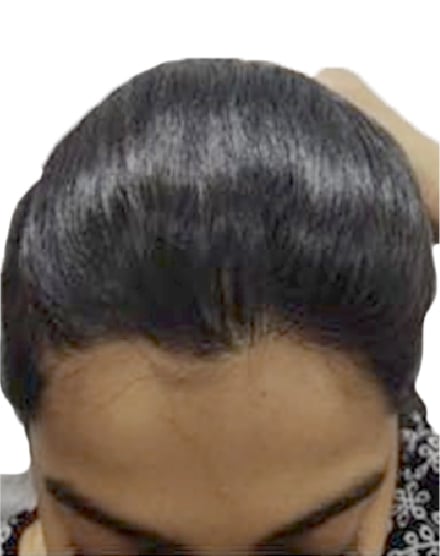 After
After
Client Name : Priya Shah
Client ID: KM84T1290
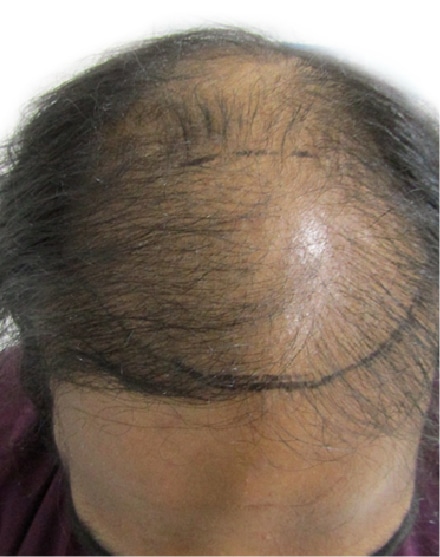 Before
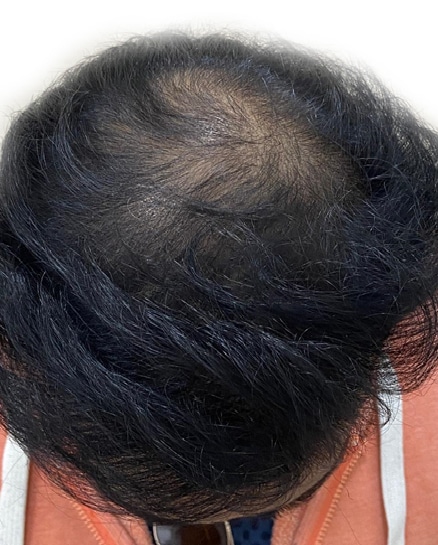 After
After
Client Name : Anil Reddy
Client ID: HS19Z6048
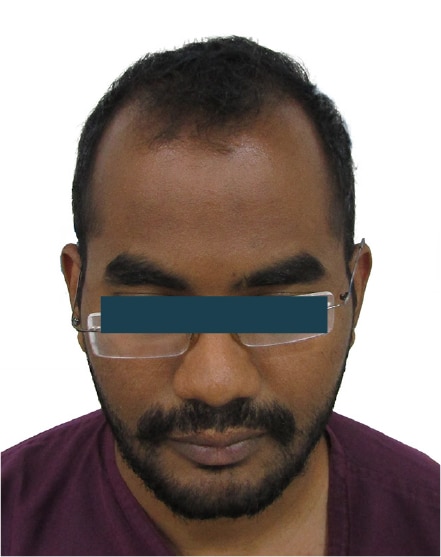 Before
 After
After
Client Name : Rohit Bansal
Client ID: AN64T9087
 Before
 After
After
Client Name : Amit Verma
Client ID: CG92L6701
 Before
 After
After
Client Name : Bharath Kumar
Client ID: HS07T5823
*Images are from real clients, and results can be subjective
Recovery Timeline After A Hair Transplant
Initial healing takes about 1 to 2 weeks, with temporary shedding around weeks 3 to 8, followed by gradual new growth over the next several months and complete results by 9 to 12 months.
| Phase | Timeline | What to Expect? |
| Initial Healing | Days 1–3 | Mild redness, swelling, tenderness, and tiny scabs around transplanted follicles. |
| Scab Formation | Days 4–7 | Scabs become more noticeable before gradually falling away; you can resume light activity, but you must avoid strenuous exercise. |
| Scalp Normalises | Week 2 | Redness and scabbing improve, follicles become more secure, and the scalp starts looking normal. |
| Shedding Phase | Weeks 3–8 | Transplanted hair sheds temporarily — a normal, expected part of the process. |
| Early Growth | Months 3–4 | New hair growth begins to appear. |
| Visible Thickening | Months 5–8 | Hair becomes noticeably thicker. |
| Final Results | Months 9–12+ | Results continue to give you high density, coverage, and your natural texture. |
It is important to note that recovery pace is different for everyone and depends on scalp health, healing, aftercare routine, and the individual’s overall health.
Who Can Get A Hair Transplant?
While a hair transplant surgeon is the best person to determine a person’s eligibility for a hair transplantation, here are the criteria for an ideal candidate:
- Permanent Pattern Hair Loss: Stabilised hair loss rather than hair loss that is active or ongoing.
- Healthy Donor Area: Enough healthy hair follicles should be available at the back or the sides of the scalp for a successful transplantation.
- Sufficient Donor Density: The donor area must have enough hair density to support the desired coverage.
- Realistic Expectations: A clear understanding of the achievable density, coverage, and the gradual nature of regrowth.
- Healthy Scalp: The client should not have any underlying scalp conditions that could affect healing or follicle survival.
- Suitable Areas Of Baldness Or Thinning: Bald or thinning patches that require transplantation and can benefit from the transplanted follicles.
- Appropriate Age: The client should be of the right age, as hair loss patterns stabilise after a certain age. A surgeon confirms this eligibility.
At Oliva Clinics, a detailed consultation and scalp evaluation always precede any hair transplant recommendation, ensuring candidacy is based on your individual scalp condition and health, not assumptions.
When To See A Doctor After A Hair Transplant?
You must contact your hair transplant surgeon immediately if you notice the following signs:
Signs That Need Medical Attention
- Increasing or severe pain that doesn’t improve with prescribed pain relief.
- Significant swelling, especially if it worsens instead of subsiding after the first few days.
- Signs of infection, such as pus or discharge at the treated area.
- Fever, which may indicate the body is fighting an infection.
- Increasing redness or warmth around the donor or recipient area.
At Oliva Clinics, the surgeons provide clients with clear post-care guidelines along with consistent monitoring post-treatment, so client safety is guaranteed.
Best Hair Transplant Clinics In Pune
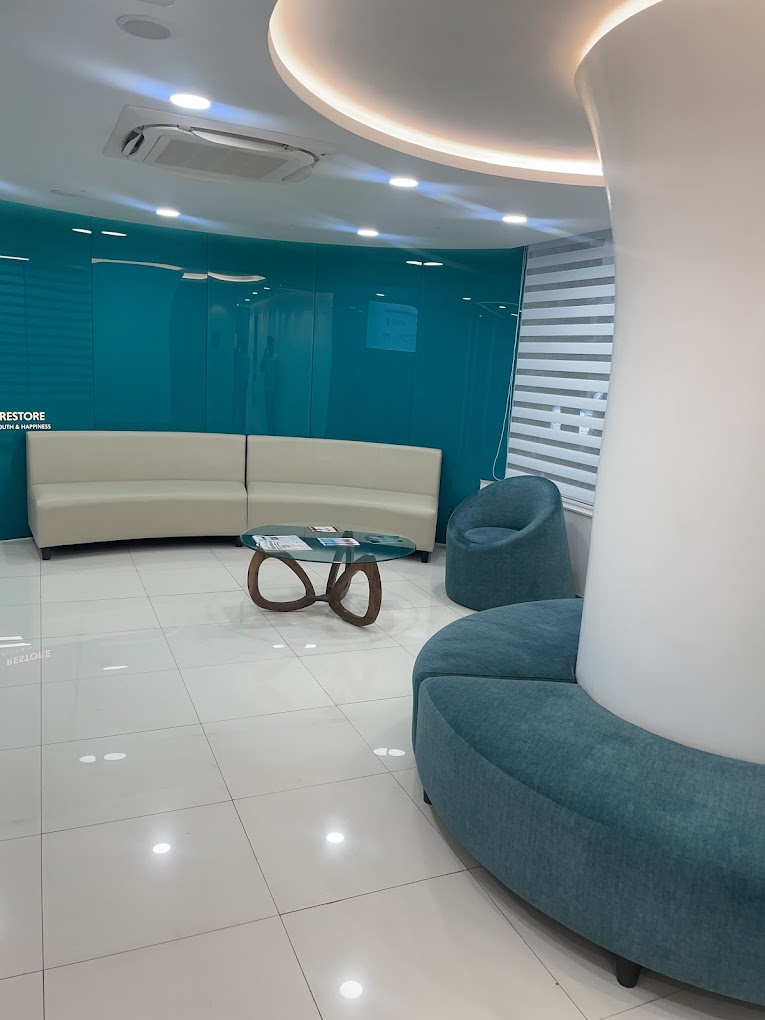

Ground Floor, Khond Arcade, ITI Road, Parihar Chowk, Aundh, Pune - 411007


Monday-Sunday 10AM – 8PM

900 Consultation Fees
 Get Direction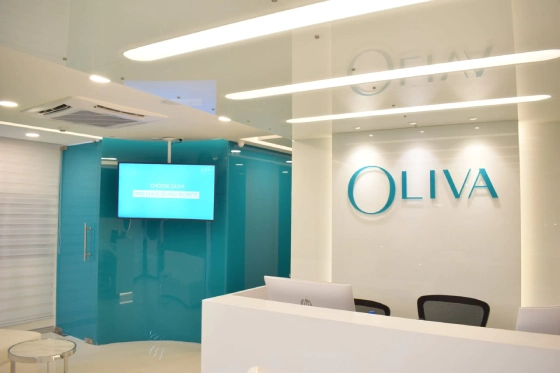
Ground Floor, Fortaleza Complex, below NM Medical & Gold's Gym, Kalyani Nagar, Pune, Maharashtra 411014
Monday-Sunday 10AM – 8PM
900 Consultation Fees

First Floor, Office No - 104, Arissa Avenue, Fountain Road, Ashoka Nagar, Kharadi, Pune, Maharashtra 411048
Monday-Sunday 10AM – 8PM
900 Consultation Fees
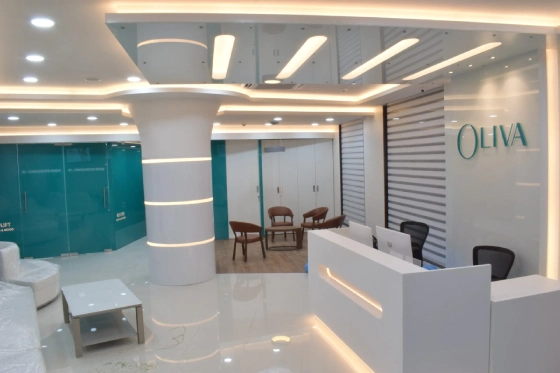
Oliva Skin, Hair & Body Clinic, Level - 1, Deccan 99 Mall, 1258, Jangali Maharaj Rd, opposite to Deccan Avenue, Shivajinagar, Pune, Maharashtra 411004
Monday-Sunday 10AM – 8PM
900 Consultation Fees
Frequently Asked Questions
Oliva Clinics offers the best hair transplant in Pune, conveniently located in Aundh, Kalyani Nagar, Shivaji Nagar, and Kharadi.
What sets Oliva apart:
- Surgeon-Led Procedures: Every transplant, end-to-end from extraction to implantation, is performed by a highly qualified and experienced hair transplant surgeon, not technicians.
- Advanced DHI Technique: A minimally invasive method that ensures natural hairlines, faster healing, and no linear scarring.
- Four Convenient Locations In Pune: Aundh, Kalyani Nagar, Shivaji Nagar, and Kharadi, making expert hair transplant care accessible across Pune.
- Personalised Treatment Plans: Your hair loss pattern, scalp condition, and aesthetic goals are assessed individually before recommending a technique.
Book your hair transplant consultation at your nearest Oliva Clinic in Pune to get an expert assessment and a customised hair restoration plan.
Hair transplant results are permanent, as transplanted follicles remain resistant to DHT and continue growing naturally for life once healed.
The success rate of hair transplant at Oliva Clinics is 100%, as they are performed by experienced hair transplant surgeons using the most advanced DHI technique.
Yes, DHI is a more advanced technique offering great precision over angle, depth, and direction, giving you natural results compared to FUE.
The side effects of hair transplant surgery include mild swelling, redness, and scalp sensitivity, which subside in a few days.
People with active hair loss, poor hair density in the donor area, or early-stage thinning may not be eligible for a hair transplant. However, it is best to consult a hair transplant surgeon who will analyse your scalp and determine your suitability.
Yes, transplanted hair sheds a few weeks after the procedure, which is a normal part of the process, before the hair regrows permanently in the months to follow.
The cost of a hair transplant in Pune needing 3000 hair follicles starts at Rs 2,00,000+. A hair transplant surgeon is the best person to determine the number of hair follicles you require.
A hair transplant works for the following conditions:
- Male Pattern Baldness: The most common condition treated with hair transplant surgery.
- Receding Hairline: Restoring a hairline that has progressively moved backwards.
- Frontal Hair Thinning: Addressing thinning at the front of the scalp.
- Crown Thinning Or Baldness: Restoring density at the crown area.
- Selected Cases Of Female Pattern Hair Loss: Where the condition is stable and localised.
Other localised hair-loss conditions, where transplantation is clinically appropriate include:
- Traction alopecia (in stable, advanced cases) – Hair loss from prolonged pulling or tension, often from tight hairstyles, braids, or extensions.
- Scarring alopecia – bald patches from injury, burns, or surgical scars where follicles are permanently damaged.
- Post-burn or post-trauma hair loss — permanent follicle damage in a localised area.


