
 Laser Hair Reduction
 Hair Re-Growth
 Acne / Scar
 Skin Rejuvenation
 Insta Glow Solutions
 Pigmentation
 Anti-Aging
 More
More Body
Body
In This Article
 Facts Checked
Biotin for Healthy Skin: Everything You Need to Know About Biotin


Biotin is known for its potential benefits for your skin, hair and nails and for improving their appearance. It is widely celebrated in the beauty circles as a must-have for healthy skin. But to what extent does it contribute to the skin’s health and appearance? Let us unpack its role in the body and uncover the benefits of biotin for skin.
In This Article
What Is Biotin? Why Is It Important For Skin?
Biotin is a water-soluble vitamin that helps the body perform various metabolic processes [1]. Also known as vitamin H or B7, biotin helps the body to produce energy and use nutrients effectively. Biotin is known to play a role in maintaining skin, hair, nails and eye health. It can promote healthy skin by helping in the synthesis of fatty acids, which are important for maintaining skin moisture and elasticity.
What Are The Benefits Of Biotin For Skin?
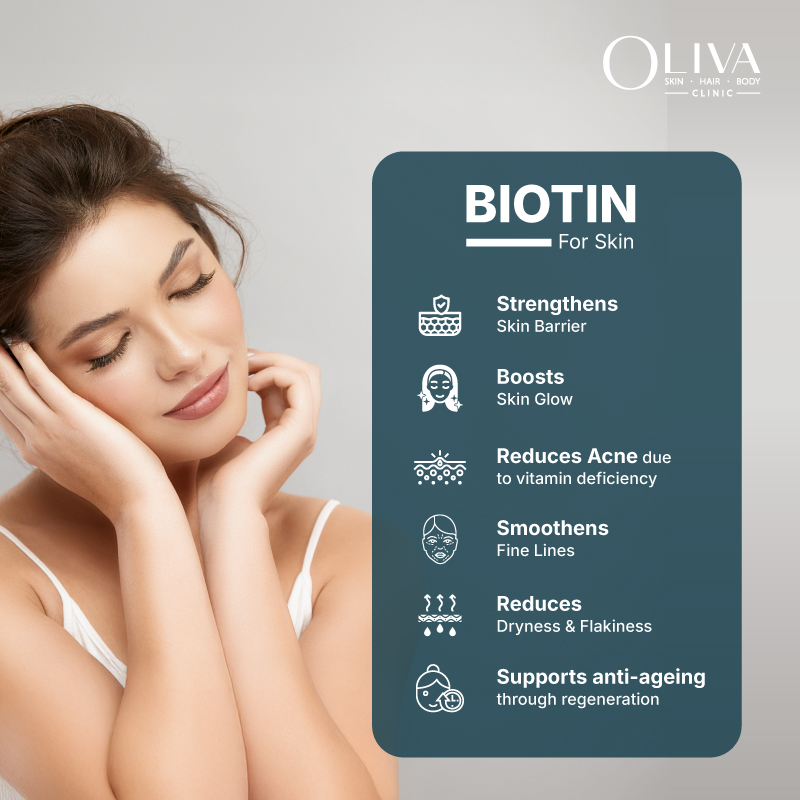
- Strengthens Skin Barrier: As biotin supports the formation of fatty acids, it helps maintain skin hydration and reinforces its protective barrier.
- Reduces Dryness & Flakiness:Biotin uses for skin also include helping manage inflammatory skin conditions like seborrheic dermatitis and eczema. Though biotin supplementation cannot be treated as a standalone treatment for these conditions, maintaining adequate levels may help reduce inflammation.
- Helps Reduce Acne Caused by Deficiency: In individuals with deficiencies, adequate biotin levels may help regulate sebum production and control acne. Nonetheless, excessive biotin levels may also trigger acne. It is recommended that vitamins be used for treatment under the supervision of a certified dermatologist.
- Boosts Skin Glow: Biotin helps boost cell turnover, which contributes to overall radiant skin and youthful appearance.
- Supports Wound Healing: By contributing to collagen synthesis and overall metabolic function, biotin can aid effective tissue repair. This can lead to active wound healing in case of minor cuts and skin damage.
- Helps Reduce Fine Lines:Biotin plays a key role in keratin production, which is essential for maintaining healthy and resilient skin. Optimum biotin levels help in improving the skin’s overall texture, including a gradual reduction in the appearance of fine lines and wrinkles.
- Supports Anti-Ageing Regeneration:Keratin and collagen are the skin’s structural proteins that are important for maintaining its elasticity. Healthy biotin levels support the synthesis of these proteins, leading to firmer, smoother and more rejuvenated complexion.
What Are The Symptoms Of Biotin Deficiency?
Biotin deficiency is not as common as other vitamin deficiencies. Nevertheless, some people can experience biotin deficiency due to lifestyle, dietary or medical reasons. Some common symptoms of biotin deficiency include:
- Dry, itchy, or scaly skin
- Dry eyes
- Dry/cracked corners of the mouth
- Red rashes on the face
- Brittle hair and nails
- Hair loss
- Fatigue
- Insomnia
- Loss of appetite
- Upset stomach
- Muscle pain
- Needle-like sensation in hands and feet
Acute deficiency may lead to: - Depression
- Nausea
- Difficulty in walking
- Seizures
What Are The Food Sources Of Biotin?
Biotin is usually present in good amounts in many common foods. When present in foods, biotin is mostly found bound to protein [2]. Hence, biotin can be obtained from most protein-rich food sources. According to the NIH, adults require 35-70 mcg of biotin daily [3]. Here are some of the foods that can be a good source of biotin for skin:
| Food |
|
Biotin (Micrograms/mcg) |
Daily Value Percentage | ||
| Beef Liver (cooked) | 3 ounces | 30.8 | 103 | ||
| Eggs (whole, cooked) | 1 large egg | 10.0 | 33 | ||
| Milk | 2%, 1 cup | 0.3 | 1 | ||
| Bananas | ½ cup | 0.2 | 1 | ||
| Almonds (roasted) | ¼ cup | 1.5 | 5 | ||
| Sunflower seeds (roasted) | ¼ cup | 2.6 | 9 | ||
| Pork chops (cooked) | 3 ounces | 3.8 | 13 | ||
| Salmon (pink, canned) | 3 ounces | 5.0 | 17 | ||
| Sweet potatoes (cooked) | ½ cup | 2.4 | 8 | ||
| Mushrooms (canned) | 120 g | 2.59 | 8.6 | ||
| Spinach (boiled) | ½ cup | 0.5 | 2 | ||
| Whole Grains (cooked oatmeal) | 1 cup | 0.2 | 1 |
When To Consult A Dermatologist?
Biotin deficiency can be missed as its symptoms often develop slowly and are quite broad. Visit a skin specialist if you start experiencing dry, scaly and irritated skin around the mouth, eyes, nose or genitals. Pay close attention to the health of your nails and hair, along with inflammation or redness of the eyes. Symptoms such as brittle nails, hair loss, or conjunctivitis should be reported to a dermatologist who can run detailed tests to diagnose and effectively treat the deficiency.
Takeaway
Biotin is a crucial vitamin that supports normal metabolic functions within the body. Adequate levels of biotin help maintain a strong skin barrier, elasticity and overall healthy tone. Consuming a healthy diet provides enough biotin required for proper body processes. However, in case of experiencing any symptoms associated with biotin deficiency, medical consultation is advisable for safe and holistic treatment.
It can take about 4 to 6 weeks for the visible effects of biotin to appear with consistent intake. However, the timeframe can vary depending on factors like pre-existing biotin levels, skin type, and overall diet.
Some studies have shown that biotin can help treat acne, only if prescribed by a certified healthcare provider. Hence, it is essential to consult an expert before experimenting with biotin consumption for acne management.
Biotin is usually a safe supplement to consume daily. However, to prevent any unwanted effects, it is recommended to consult a medical professional for guidance on use.
There is no evidence of using biotin for skin whitening. However, some studies suggest that biotin can improve overall skin health and texture. For safety, use it only under medical supervision.
Although biotin supplements are safe to consume, one of the most common side effects of biotin overconsumption is skin reactions. These can occur as red, itchy rashes or bumps that can affect the whole body.
In some cases, biotin can increase sebum production, making the skin oilier than usual. A dermatologist can assess your skin and make consumption recommendations accordingly.
Read This Next
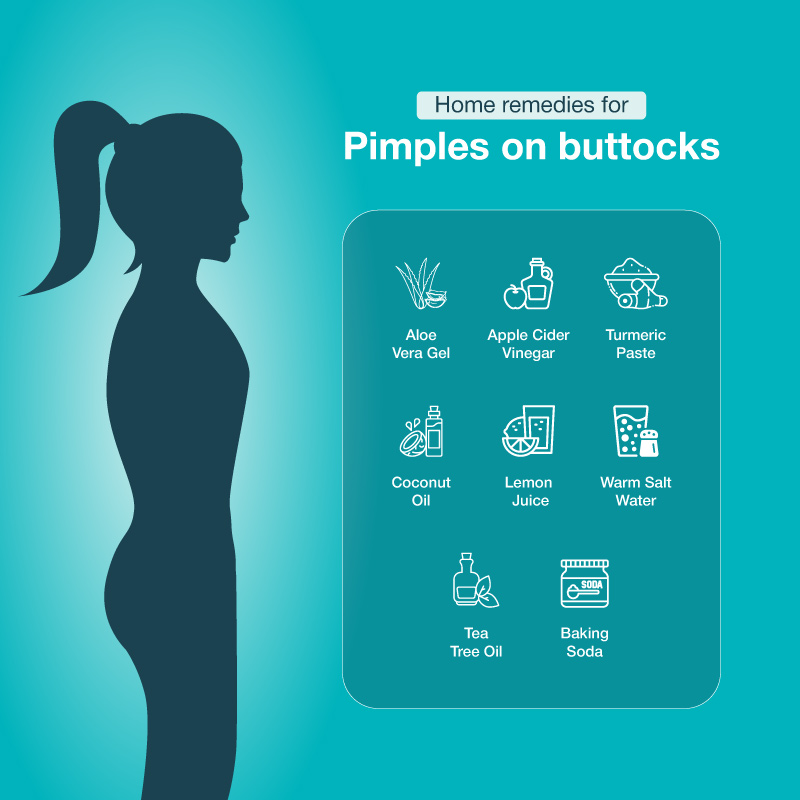
10 Best Home Remedies for Pimples on Buttocks
Laser Skin Treatments In India: Benefits, Side Effects & Cost
Skin Peeling On Face: Causes, Treatments, Home Remedies & Prevention
Everything You Need to Know: Vitamin C Benefits for Skin (2026)
15 Proven Benefits of Gram Flour (Besan) for Skin & DIY Face Packs