

 Facts Checked
Dandruff vs Dry Scalp: Causes, Symptoms, Differences & Best Treatments


Seeing white flakes fall from your shoulders can be embarrassing for many people. While this flakiness often results from dandruff, you can also notice this if you have a dry scalp. If you do not know whether dandruff is causing the falling flakes or your dry scalp, this article is for you. Most people confuse dandruff with a dry scalp and use them interchangeably. In this comprehensive guide, we will take on the dandruff vs dry scalp debate and cover everything you need to know about dandruff and dry scalp, including their causes, how to identify them, and prevention tips. Let’s dive in.
In This Article
What Is Dandruff?
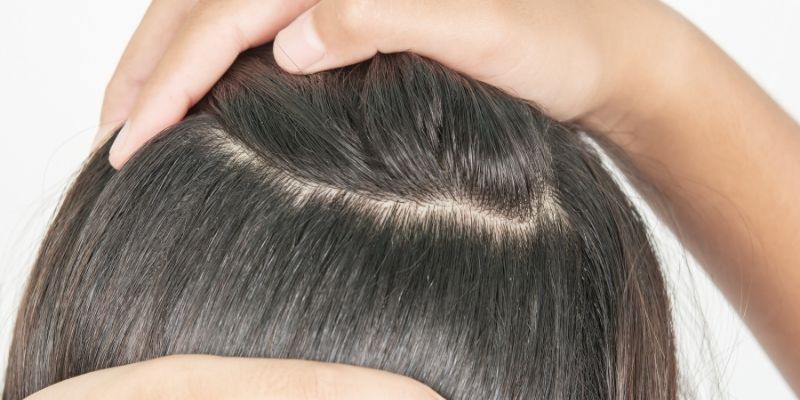
Dandruff is a common scalp condition often characterised by white or yellow flakes and an itchy scalp. Although not contagious, it can be embarrassing. Dandruff can affect people of all ages and tends to get worse in the winter months.
What Are The Causes Of Dandruff?
Dandruff mainly occurs when dead skin cells shed from the scalp, often appearing as large yellow or white flakes. Several facts trigger the shedding. The most common ones include:
- Excess oil production
- Overgrowth of yeast Malassezia
- Seborrheic dermatitis
- Genetics
- Sensitivity to certain hair products
- Infrequent hair washing
- High stress
- Skin conditions like eczema or psoriasis
What Is A Dry Scalp?
Dry scalp is a condition characterised by a lack of moisture, resulting in small, white flakes and itching. Although a dry scalp can present with symptoms similar to dandruff, the two are different. Let us learn what causes a dry scalp.
What Are The Causes Of Dry Scalp?
Dry scalp, just like dry skin, is mainly caused by a loss of moisture and oils on the scalp. The most common triggers include:
- Weather conditions
- Low humidity
- Overwashing of hair
- Washing hair with hot water
- Certain hair products
- Skin conditions like eczema or psoriasis
- Contact dermatitis
- Dehydration
- Inadequate sebum production
- Nutritional deficiencies
- Hormonal imbalances
- Ageing
What Is The Difference Between Dry Scalp And Dandruff?
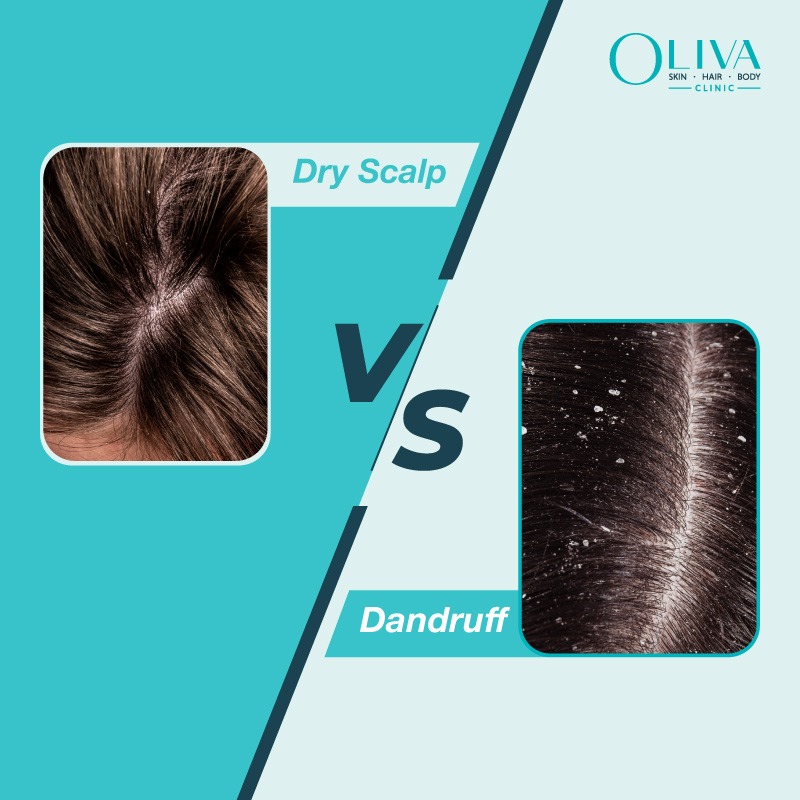
Both dry scalp and dandruff cause itching and flaking. However, there are differences in the appearance of flakes, scalp condition, hair type, the causes, and the treatments. Here is a table that explains the difference between dry scalp and dandruff in detail for your better understanding.
Dry Scalp vs Dandruff
| Parameter | Dry Scalp | Dandruff |
| Cause | Loss of moisture in the scalp | Excess sebum + fungal overgrowth (Malassezia) |
| Flakes Appearance | Small, dry, white flakes | Larger, oily, yellowish or white flakes |
| Scalp Condition | Dry, tight, itchy, and sometimes rough | Oily, irritated, sometimes red, itchy |
| Itching Level | Mild to moderate | Moderate to severe |
| Oil Production | Low sebum production | Excess sebum production |
| Weather Impact | Gets worse in the winter months or in a dry climate | Can occur anytime, throughout the year |
| Hair Type Commonly Affected | Dry hair and scalp | Oily scalp and hair |
| Associated Symptoms | Tightness, dull hair | Redness, inflammation, scalp irritation, and itchy patches |
| Treatment Approach | Hydrating shampoos and scalp oils | Anti-dandruff shampoos with antifungal ingredients |
| Recurrence | Condition improves with proper hydration | Can often recur if not treated properly |
How To Identify Dry Scalp Or Dandruff?
Is it dry scalp or dandruff? Here’s how you can identify.
-
Flake Appearance
- If you notice small, dry, white or grey-coloured flakes, it means you have a dry scalp.
- If you see large, white or yellowish flakes on your scalp or on your shoulders, it is dandruff.
-
Scalp Condition
- If your scalp feels a little tight or you experience irritation or itching, it is a sign of a dry scalp. Sometimes you may even experience dryness in other areas of your body, along with a dry scalp.
- If your scalp feels greasy or oily, or if you experience itchiness accompanied by redness, it is dandruff.
What Are The Treatments For Dandruff And Dry Scalp?
Identifying whether it is dandruff or a dry scalp is crucial for effective treatment. Also, determining what is causing it is equally important. This is where you need a professional’s intervention. If you are unsure, visit a dermatologist who will analyse your scalp and recommend a suitable treatment for your condition. Oliva has expert dermatologists who assess your scalp using a trichoscan to determine your condition and the underlying cause. Based on this evaluation, they will customise a treatment plan unique to your scalp and hair needs.
Some of the common recommendations for dry scalp include
-
Hydrating Shampoo
Apply a nourishing shampoo and conditioner that simultaneously cleanses your scalp and maintains your scalp’s pH level.
-
Scalp Oils and Serums
Apply oils and serums to your scalp to restore moisture.
-
Hair Washing
Reduce your hair washing frequency to help preserve the natural oil in your scalp.
-
Hydration
Stay hydrated by drinking enough water. Increase the intake of foods that offer hydration and nutrition.
Here are some helpful treatments for dandruff
-
Anti-dandruff Shampoo:
Use an anti-dandruff shampoo containing specific ingredients that help control excess oil production and fungal growth.
-
Hair Washing
Wash your hair regularly to maintain scalp hygiene.
-
Nutritional Supplements
Use nutritional supplements like omega-3 fatty acids to help reduce inflammation that might be causing dandruff.
-
Proper Diet
Consider reducing the intake of sugary or processed foods and refined carbs.
-
Scalp Refine Treatment
If your dandruff is severe or you notice constant irritation, flakiness or itchiness, Oliva’s Scalp Refine Anti-dandruff treatment is all you need. This advanced, non-invasive treatment involves applying a clinically proven solution to your scalp. This medically formulated serum restores the scalp’s microbiome, reduces flakiness, relieves itchiness, improves scalp health and hygiene and enhances your overall hair texture and quality. Depending on the severity of your condition, the dermatologist may recommend 4-6 weekly sessions for the best results. Our dermatologists at Oliva might combine the above treatments, accordingly, based on your severity and the underlying cause of dandruff.
What Are The Prevention Tips?
If you have a dry scalp, the only way to prevent it is to maintain the scalp’s moisture balance. Here are some ways you can achieve this
- Do not overwash your hair. Change your washing frequency to once or twice a week.
- Use a sulfate-free shampoo to wash your hair.
- Practice stress management.
- Drink enough water.
- Avoid smoking.
Here are some preventive tips for dandruff
- Wash your hair regularly to control oil buildup on your scalp.
- Use an anti-dandruff shampoo containing ingredients such as selenium sulfide, salicylic acid, or coal tar.
- Avoid washing your hair with hot water. Use only lukewarm water.
- Avoid styling products like hair gels, sprays and oils.
- Manage stress by practising deep breathing or exercising.
- Get a few minutes of sunlight every day if you have a greasy scalp.
When To Consult Dermatologists?
You may be following a proper haircare routine with all the necessary measures. You have been using the over-the-counter products for almost a month. However, your condition doesn’t seem to get any better, and your flaking continues or gets worse. It’s time to see a professional who will analyse your condition and determine what is causing dandruff or dry scalp in the first place. Accordingly, they may recommend a suitable treatment that will make a difference.

Takeaway
Dandruff and dry scalp are two scalp conditions with similar symptoms, like flaking. While dandruff is caused by excess oil buildup on your scalp, dry scalp results from a lack of moisture. Both conditions can be managed with the right regimen. However, for severe or recurring flakes, it is always advisable to consult a dermatologist who can recommend the appropriate treatment options. If you are unsure whether it is dry scalp or dandruff, don’t worry. Oliva has expert dermatologists who assess your scalp condition to identify the cause first before suggesting any solution. Based on the evaluation, they will customise a treatment plan tailored to your scalp needs. For a personalised scalp examination, schedule a consultation at your nearest Oliva Clinics today.
Frequently Asked Questions On Dry Scalp Vs Dandruff
It is generally not recommended to use dandruff shampoos for a dry scalp, as they may worsen the condition by targeting oil and fungus rather than dryness.
A dry scalp doesn’t directly cause dandruff. However, severe dryness in your scalp can disturb the scalp barrier and trigger flaking that resembles dandruff.
Yes. It is possible to have both dry scalp and dandruff at the same time, especially if your scalp is dry but also prone to fungal overgrowth.
Frequent shampooing or over-shampooing can strip your scalp of its natural oils and leave it dry. However, it may help control dandruff if you are using the right anti-dandruff shampoo.
Read This Next