

 Laser Hair Reduction
 Hair Re-Growth
 Acne / Scar
 Skin Rejuvenation
 Insta Glow Solutions
 Pigmentation
 Anti-Aging
 More
More Body
Body
In This Article
 Facts Checked
Pigmentation on Cheeks: Causes, Symptoms, and Best Treatment Options


Pigmentation on the cheeks is a common skin concern among Indians due to higher melanin levels. Hormonal fluctuations, prolonged sun exposure, dietary and lifestyle reasons can contribute to patchy, uneven skin tone, affecting your appearance and confidence. There are several advanced treatments that can help manage and reduce pigmentation significantly. This article discusses the pigmentation on cheek causes, the types and signs, ways to prevent it, how it is diagnosed, cheek pigmentation treatments, and frequently asked questions about pigmentation on the cheeks.
In This Article
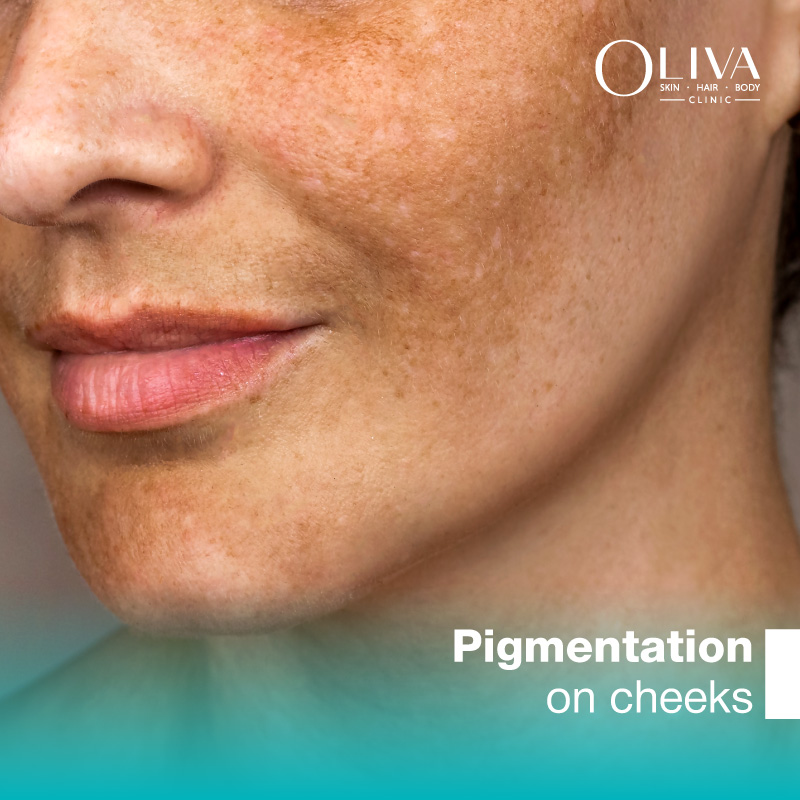
What Is Pigmentation?
Pigmentation is the colour of your skin, caused by melanin, the pigment produced by specialised skin cells called melanocytes. Melanin content varies among individuals and is determined by genetic composition. When melanin production is uneven, it causes hyperpigmentation that manifests as dark spots, patches, and discolouration, giving you an uneven skin tone.
What Are The Causes Of Pigmentation On Cheeks?
-
Genetic Factors
Genetics are the primary determinants of how your skin responds to sun exposure, inflammation, ageing, and hormonal changes. If people in your family are affected by pigmentation, then you are also vulnerable to it.
-
Sun Exposure
Excessive and prolonged exposure to UV rays triggers melanin production that can result in tan, sun spots, and uneven skin tone.
-
Post-Inflammatory Hyperpigmentation
Post-inflammatory hyperpigmentation is the aftermath of skin injuries like acne, burns, allergies, or cosmetic procedures like waxing and threading. The skin produces excess melanin during healing, leading to uneven skin tone and dark spots.
-
Hormonal Changes
Hormonal fluctuations due to the use of oral contraceptives, imbalance of the thyroid hormone, hormonal changes during pregnancy, or menopause can result in melasma, a common type of hyperpigmentation that appears on the cheeks.
-
Ageing
Ageing slows down the skin’s ability to regenerate, and this reduced cell turnover causes the skin to darken. Pigmentation becomes more prominent on the cheeks with age.
-
Medications And Medical Conditions
Pigmentation can also result from the use of medications like antibiotics, anti-seizure drugs, chemotherapy, or medications for Addison’s disease.
What Are The Signs Of Pigmentation On Cheeks?
Pigmentation on cheeks can vary in appearance based on the underlying cause:
- Localised Dark Spots/Patches: These can be in varying sizes and appear as brown or dark patches.
- Sun Spots: As the name suggests, these are the result of prolonged sun exposure and mostly appear on the upper cheeks.
- Melasma: These are large patches also known as the ‘mask of pregnancy’ and result from hormonal changes, especially during pregnancy. They worsen with sun exposure.
- Post-Inflammatory Marks: These are marks you will notice after skin injuries or concerns like acne, burns, or cuts heal. They can appear anywhere, including the cheeks.
- Uneven Skin Tone: This is when you will see a clear difference in the skin tone, where parts of it are dull and patchy.
How Is Pigmentation On Cheeks Diagnosed?
Pigmentation diagnosis at Oliva Clinics follows an in-depth process called V-Discover, where dermatologists conduct a holistic analysis and recommend a customised treatment plan to deliver lasting results. It starts with a Body Composition Analysis that helps them evaluate your metabolic health so they can fill any nutritional gaps that may be contributing to your pigmentation on your cheeks. They will also study your medical and genetic history, hormonal status, lifestyle, and skincare practices, along with a DermaScan to understand your skin type and the type and depth of the pigmentation. They will also perform a trichoscan to analyse your hair and better understand your overall status.
Based on these reports, the dermatologists will precisely identify your pigmentation type and give you the most effective pigmentation treatment plan.
Dermatologist-Approved Treatments For Pigmentation
The following are the advanced pigmentation treatments offered at Oliva Clinics:
-
PRP
In this treatment, the dermatologist uses the growth factors from your blood and inject them into the pigmented areas of your cheeks. This triggers the skin’s ability to repair itself and also produce collagen. The process helps in regenerate cells, repair damaged skin, and improve skin texture, radiance, and overall skin health.
-
DermaFrac
This advanced treatment combines microneedling with serum infusion into the target areas. The dermatologist creates micro-channels in the skin, followed by the injection of serums that work on pigmentation while hydrating the skin. You will notice even-toned skin with reduced pigmentation and dullness. The treatment is painless, has no downtime, and is effective on all skin types.
-
Laser Toning
Oliva’s advanced laser toning treatment uses FDA-approved technology to target excess melanin, breaking it down without damaging the surrounding skin. With multiple sessions (your dermatologist decides the number of sessions you will need based on your pigmentation type and depth), you will notice the pigmentation fade, giving you bright, even-toned skin.
-
Chemical Peels
These are gentle yet effective plant-based formulations by our dermatologists that will exfoliate the top, damaged layers of your skin. They promote new cell turnover, thereby reducing dark spots on the cheeks. For melasma, which is the most stubborn type of pigmentation that affects the cheeks, Oliva’s dermatologists offer a specialised chemical peel, known as the Cosmelan peel. The treatment consists of two steps – in-clinic and at-home sessions – during which the dermatologist closely monitors progress. This is the best treatment for deep, stubborn hormonal pigmentation like melasma.
NOTE:
Clients see noticeable results when they diligently follow post-care instructions and a consistent skincare routine.
What Are The Methods To Prevent Pigmentation On Cheeks?
Being mindful of your lifestyle and eating habits, and consistently following a simple skincare routine can prevent pigmentation from worsening. Here are some dermatologist-recommended skin care habits you can build for healthy, clear skin:
- Apply Sunscreen Daily: Use a broad-spectrum sunscreen with SPF 30 or higher every day, even when indoors. Re-apply every 4-5 hours.
Reduce Prolonged Direct Sun Exposure: Use hats, umbrellas, and sun-protective gear when you are outdoors. - Follow A Skincare Routine: Consult a dermatologist and build a routine that is suitable for your skin. Make sure you are consistent with it.
- Eat Nutritious Meals: Your food habits play a significant role in your hormonal health, which in turn affects your skin and hair. Check your hormonal health and support it with balanced meals. Include protein, antioxidants, healthy fats, fibre, and collagen-rich foods. You can visit Oliva Clinics for a holistic analysis and a pigmentation prevention and treatment plan customised for you.
- Avoid Home Remedies: While anecdotal evidence suggests that home remedies work for pigmentation, results vary. Some of them cause side effects that worsen your pigmentation and your skin.
When To Consult A Dermatologist?
Consult a dermatologist if:
- If your pigmentation on the cheeks doesn’t fade away even after weeks. Or you notice that it is spreading rapidly.
- Your skincare routine and over-the-counter products are not working effectively.
- You experience itching, redness, or pain in the area.
- You want to achieve youthful, bright, even-toned skin and boost your confidence.
- You want to opt for safe, science-backed, proven treatments for your pigmentation.
It is best to consult a dermatologist early for an accurate diagnosis of the root cause so you can prevent unnecessary skin damage.
Takeaway
Pigmentation on the cheeks is a common concern and affects many Indians due to skin type and melanin content. The good news is that it is treatable and there are several advanced, science-backed solutions that offer lasting results. Consulting a dermatologist, especially in the early stages, can help identify the underlying cause and a customised treatment plan. This helps prevent the pigmentation on the cheeks from worsening and recurring. Without worrying too much, book a consultation with Oliva Clinics.
Frequently Asked Questions On Pigmentation On Cheeks
The time it takes for hyperpigmentation to fade ranges from a few weeks to several months. It depends on the cause, the depth, and the recommended treatment plan. The right treatment in the early stages and a consistent skincare routine may give relatively quicker results.
People with higher melanin levels (medium to deep skin tones) are prone to hyperpigmentation. Further, oily and acne-prone skin types are at a higher risk, especially post-inflammatory hyperpigmentation.
It depends on the depth and the cause of the hyperpigmentation. Mild pigmentation can fade away on its own if you have been following a skincare routine, especially with proper sun protection. Meanwhile, if hormonal changes are causing your hyperpigmentation, you need to address that to see the results. It is best to check with a dermatologist for a proper analysis and the right treatment.
Dermatologist-recommended targeted treatments are the fastest way to reduce pigmentation on your face. They will analyse your skin, the underlying cause, and the depth of the pigmentation to give you a precise treatment plan that reduces pigmentation, prevents worsening and recurrence.
Yes, pigmentation can come back after you have undergone laser treatment if you do not use sun protection, hormones are unregulated, or you are not using the right skincare routine. Protecting your skin from excessive sun exposure, maintaining a skincare routine, and adopting a healthy lifestyle are critical to preventing pigmentation from worsening or recurring.
Foods with a high glycaemic index increase inflammation and cause hormonal fluctuations that can trigger hyperpigmentation. Avoid processed snacks, white bread, sugar, fried foods, excessive caffeine etc, to maintain skin health.
People with deeper skin tones are most prone to pigmentation on the cheeks. Excessive sun exposure, hormonal changes, vulnerability to acne, genetic predisposition, and poor lifestyle and skincare habits can all contribute to pigmentation on the cheeks.
Read This Next
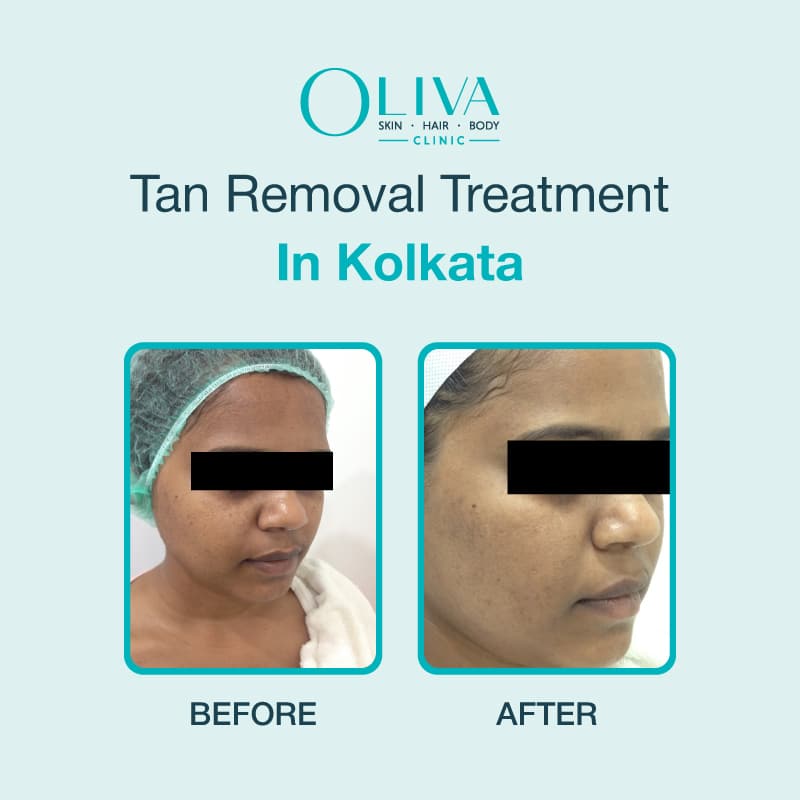
Tan Removal Treatment in Kolkata: Cost, Results & Procedure
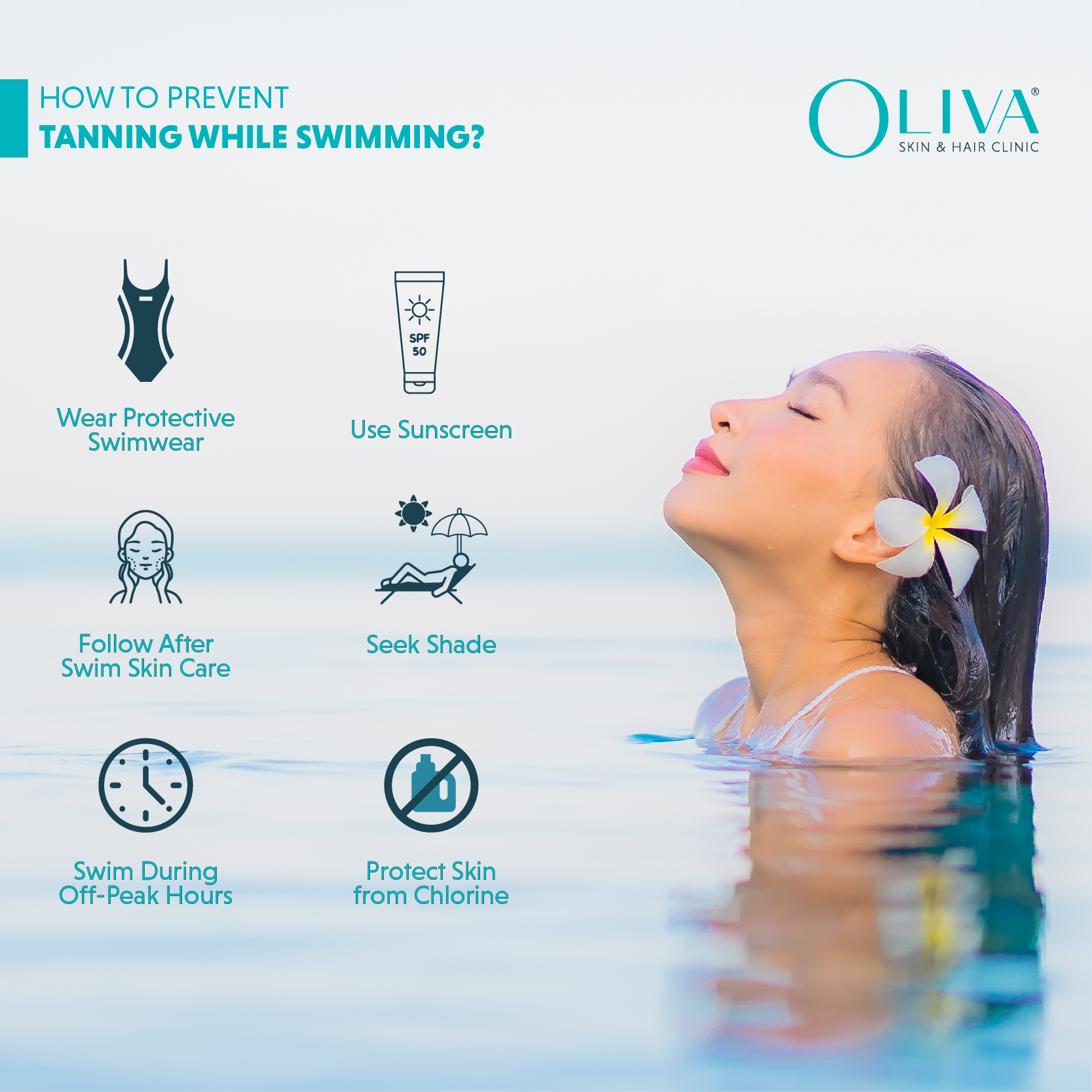
How to Prevent Tanning While Swimming: Expert Tips To Protect Skin
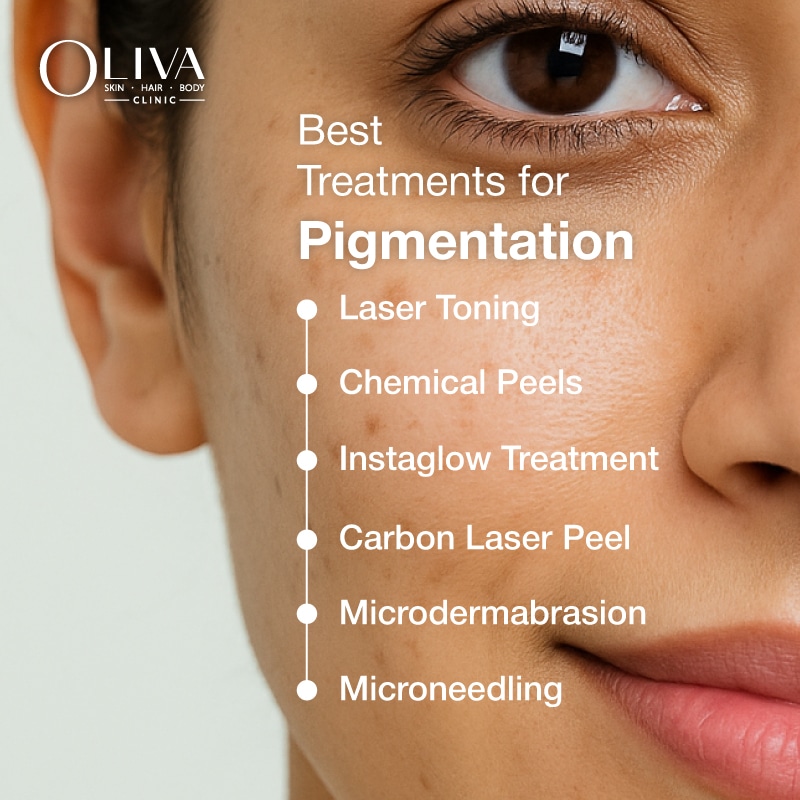
Best Pigmentation Treatments Recommended By Dermatologists
Acanthosis Nigricans Treatment: Diagnosis, Causes & Symptoms
Hyperpigmentation Around Mouth: Causes, Treatments & Prevention