
 Laser Hair Reduction
 Hair Re-Growth
 Acne / Scar
 Skin Rejuvenation
 Insta Glow Solutions
 Pigmentation
 Anti-Aging
 More
More Body
Body
In This Article
 Facts Checked
Premature Greying of Hair: Causes, Benefit & Prevention Tips


Noticing grey hair in your twenties can be shocking. You might be wondering if there is something wrong with you or if you are ageing too fast. But here is the truth. Premature grey hair is more common than you think, and there is nothing to worry about it. Millions of people across the world notice grey or white hair long before they expect it. While it is harmless in most cases, it can be a sign that your body needs attention. In this comprehensive guide, we will explain exactly what causes premature grey hair, how you can prevent it, and when you should see a doctor. Let us dive in.
In This Article
What Is Premature Greying?
Our hair gets its colour from a pigment called melanin, produced by melanocytes. These melanocytes are cells present in the hair bulb. As you age, these cells produce less melanin, which makes your hair turn grey or white. Premature greying means this process of less melanin production starts earlier than normal. Dermatologists use the following guidelines to determine premature grey hair in individuals Dermatologists consider it premature grey hair if you notice greying in these age ranges. However, if grey hair starts later, it is just a natural part of ageing.
- In people with white or lighter skin tones, if grey hair starts before the age of 20
- In people with Asian skin tones, if grey hair starts before the age of 25
- In people with darker skin tones, if grey hair starts before the age of 30
What Are The Causes Of Premature Greying?
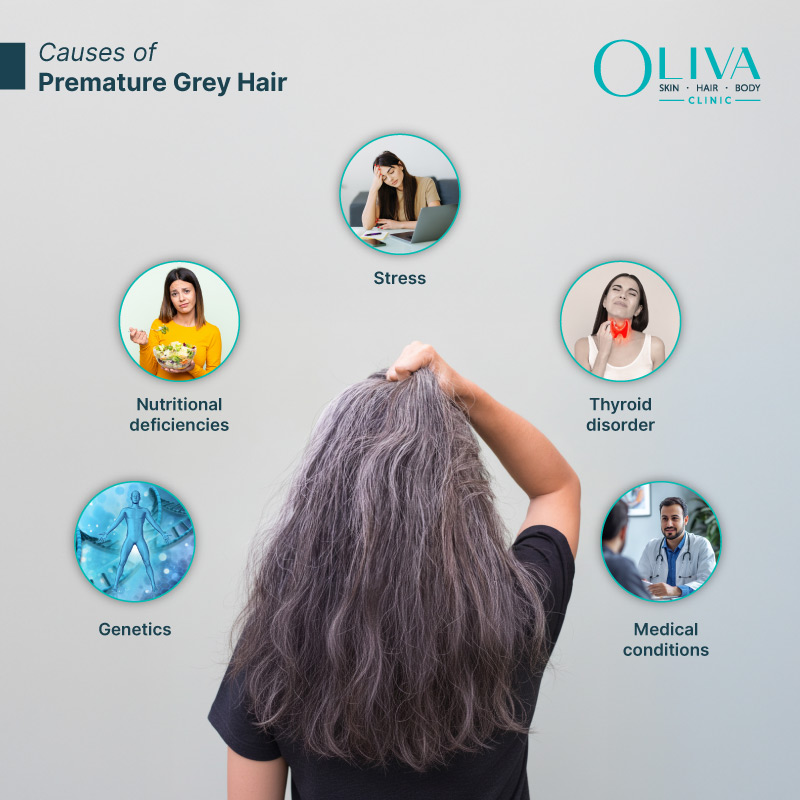
If you think there is a single reason for premature grey hair, you are wrong. Premature greying in individuals is usually a combination of the following factors:
- Genetics: This is the number one cause of premature grey hair. If it runs in your genes, you are likely to have it too.
- Nutritional Deficiencies: Even your hair follicles need specific nutrients to produce melanin. Deficiencies in essential nutrients such as vitamins B12 and D, copper, iron, zinc, and folate can reduce melanin production, leading to premature greying.
- Stress: The notion that stress can turn your hair grey is true. According to a 2020 Harvard study, stress activates the release of norepinephrine, which depletes melanocyte cells in hair follicles. Chronic stress can accelerate the greying process significantly over time.
- Medical Conditions: Some autoimmune conditions, such as vitiligo and alopecia areata, and anaemia, can cause premature greying.
- Lifestyle Choices: Habits like smoking can accelerate premature greying.
- Environmental Factors: Prolonged UV exposure, air pollution, and exposure to certain chemicals can damage melanocyte cells in hair follicles. Eventually, this can lead to premature greying.
- Thyroid Disorders: Thyroid disorders such as hypothyroidism and hyperthyroidism can disrupt melanin production, leading to premature greying.
What Are The Symptoms Of Premature Greying?
Although premature greying is harmless and does not usually cause any physical discomfort, there are certain signs you should watch for:
- If you notice white, grey, or silver strands appearing before the expected age range
- Grey hair that begins at the temples and spreads outward
- If you notice patches of white or grey hair on your scalp that are not uniform.
- Gradual lightening of hair colour over months or years
- Change in texture of your grey hair that often feels dry or coarser than the pigmented hair
How Do You Prevent Premature Hair Greying?
If your premature greying is due to genetic predisposition, we cannot change your genes. However, if nutritional deficiencies, lifestyle choices, or stress are the causes, it is possible to prevent greying. All you need to do is make some tweaks to your lifestyle that will help address the above.
Here is what you can do:
- Get a blood test done first to determine if there is any nutritional deficiency or hormonal disorder. After a confirmed deficiency, consume a nutrition-dense diet or take supplements that will help delay the pigment loss.
- If you are an avid smoker, quit smoking to protect your melanocyte cells.
- Manage stress by practising meditation, yoga, and breathing exercises.
- Make sure you get 7-8 hours of quality sleep.
- If you frequently style with heat, avoid it. Additionally, refrain from using harsh hair dyes or chemical treatments.
- Avoid exposure to the sun’s harmful UV rays by wearing a hat or scarf to protect your hair.
What Are The Best Foods to Prevent Premature Greying Naturally?
Here are some foods you can eat to prevent premature grey hair:
| Food | What To Eat | Key Nutrient(s) | Why It Helps Your Hair |
| Dark Leafy Greens | Spinach, Kale, Methi | Iron, Folate, Vitamin C | Iron helps in melanin production; folate deficiency can cause changes in your hair, leading to premature greying. |
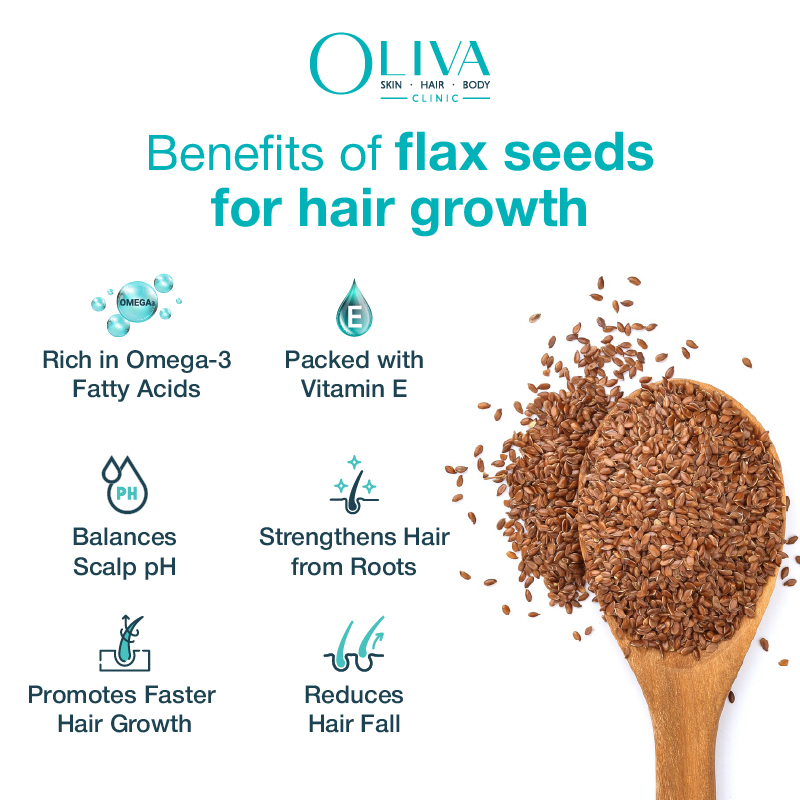
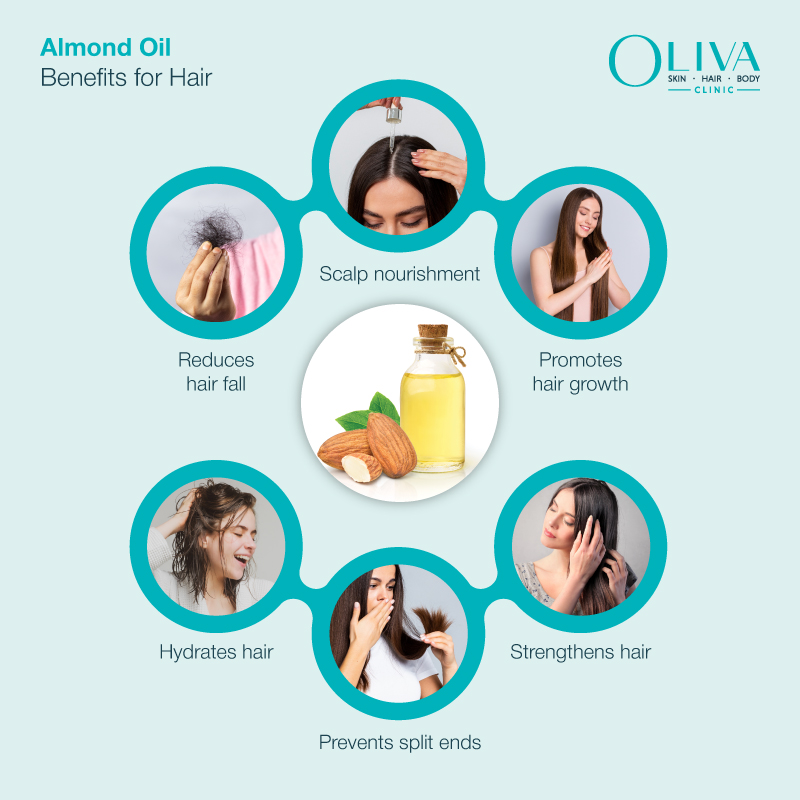
| Nuts & Seeds | Almonds, Sunflower Seeds, Pumpkin Seeds | Copper, Zinc, Vitamin E | Copper is essential for melanin synthesis; zinc helps protect your hair’s DNA |
| Eggs | Vitamin B12, Biotin, Protein | B12 is the most important nutrient for melanin production. | |
| Fatty Fish | Salmon, Mackerel, Sardines | Vitamin B12, Vitamin D, Omega-3 | B12 and D deficiency are two of the most common reversible causes of premature greying |
| Legumes | Lentils, Chickpeas, Rajma | Iron, Folate, Zinc, Protein | Plant-based iron and folate support melanin production |
| Berries | Amla (Indian Gooseberry), Blueberries, Strawberries | Vitamin C, Antioxidants | Vitamin C helps in the absorption of iron; antioxidants protect melanocytes from free radical damage |
| Whole Grains | Oats, Brown Rice, Whole Wheat | B Vitamins, Zinc, Iron | B vitamins are crucial in melanin production; Any deficiency can affect pigment synthesis |
| Dark Chocolate | 70%+ Cocoa | Copper, Iron, Antioxidants | As one of the best dietary sources of copper, it helps boost melanin production |
| Sweet Potatoes | Beta-carotene, Vitamin A | Supports a healthy scalp and follicle environment; Offers antioxidant protection for melanocytes | |
| Dairy | Milk, Paneer, Cheese | Vitamin B12, Calcium, Vitamin D | A key source of vitamin B12, dairy products support melanin production and follicle health |
When To Consult A Dermatologist?
Premature greying does not need urgent medical attention. However, there are specific situations where it is important to consult a dermatologist. These include:
- If you notice patchy greying appear early, where white or grey hair appears in clusters
- If you notice premature greying, especially combined with fatigue, hair thinning, brittle nails, or skin changes
What Are The Treatments For Premature Greying?
The right treatment for premature greying depends on what is causing it in the first place. Moreover, there is no single solution that works for everyone. Identifying the cause of premature grey hair in the early stages can help reverse the process. Here is an overview of the available treatment options based on the underlying cause:
- Nutritional Supplementation: Dermatologists may recommend nutritional supplements if the root cause is nutritional deficiency.
- Treating the Underlying Medical Condition: If your premature greying is due to a thyroid disorder or autoimmune conditions like vitiligo, a specialist’s intervention can help slow down the progression.
- Topical Medications: Topical serums containing antioxidants can help reduce oxidative stress and boost melanin production.
- Lifestyle and Stress Management: If chronic stress is a contributing factor to premature greying, structured stress management can be the basis of treatment.
- Home Remedies: Certain home remedies, like hair masks using ingredients like Indian gooseberries, curry leaves and black tea/coffee, can darken hair.
- Grey Hair Cover: Options like dyeing or colouring shampoos can help cover your grey hair.
Takeaway
While greying is a natural part of ageing, noticing unexpected grey hair before the normal age range can be a bit shocking. Several factors contribute to this condition, including genetics, nutritional deficiencies, chronic stress, thyroid disorders and lifestyle. Identifying the cause during early assessment is crucial to reverse greying.
Frequently Asked Questions On Premature Greying Hair
Most people experience natural greying in their mid-thirties to forties. If you notice greying before your mid-twenties, it is premature grey hair.
Noticing a few grey hairs here and there on your head at 25 is normal, especially if premature greying runs in your family. However, if you are seeing significant hair greying across multiple areas before 25, you should consult a dermatologist immediately. Several triggers can be contributing to this condition, like nutritional deficiencies, thyroid issues, or other factors. Early assessment can help you slow down further progression.
It is a myth that plucking grey hair causes more grey hairs to grow. However, it is still not okay to do so, as repeated plucking traumatises the follicle. Eventually, it will damage the hair follicle, leading to thinner regrowth. In rare cases, it may cause no growth at all.
Not necessarily. Premature grey hair is caused by several factors, with genetics as the primary factor. A person may be healthy, but due to genetic predisposition, they experience early greying. Similarly, other triggers contributing to this condition include nutritional deficiency, thyroid disorders, or autoimmune conditions. It is always suggested to get a basic blood test done to rule out these causes. It is always best to confirm things rather than assume it is all genetic.
Yes. Reversing grey hair is possible, especially when nutritional deficiencies or thyroid disorders are the cause. Treating the deficiency or correcting the thyroid disorder in the first place can help restore the pigment. However, greying due to genetics cannot be reversed.
Yes. Melanin production depends directly on specific nutrients, such as copper, B12, folate, iron, and zinc. Any deficiency in these essential nutrients can affect melanin synthesis, leading to changes in hair colour. It is always advisable to consume a nutrient-rich diet to prevent or manage this. However, it is important to know that improving nutrition will not give you instant results. You need 3 to 6 months to see healthier, better-pigmented hair.