

 Laser Hair Reduction
 Hair Re-Growth
 Acne / Scar
 Skin Rejuvenation
 Insta Glow Solutions
 Pigmentation
 Anti-Aging
 More
More Body
Body
 Facts Checked
Common Acne Mistakes You Must Avoid for Clear Skin


You may be religiously following a skincare routine, yet you might be noticing new breakouts or pimples surfacing. Your everyday skincare habits could be contributing to this persistent acne. This article will cover the common acne mistakes that most of us commit. Correcting these mistakes or avoiding them can prevent your acne from getting worse. Let us learn about these acne mistakes.
In This Article
What Are Acne Mistakes?
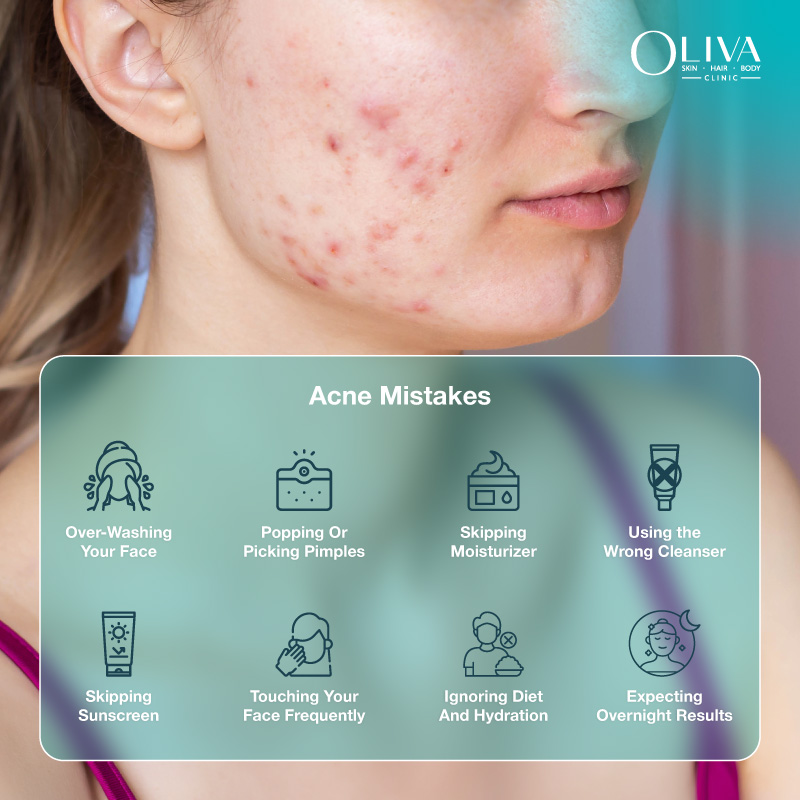
Acne mistakes are regular practices we tend to do, but which can prove harmful. From overwashing your face to using the wrong products to maintaining poor hygiene, these skincare habits are something we often mess up. While these may sound trivial, they can make things worse and cause much more damage than you can think of. The following section will explain how these acne mistakes can take a toll on your skin’s health.
Why Do Acne Mistakes Make Breakouts Worse?
Acne-prone skin requires gentle care. Failing to do this or handling the skin roughly can spread bacteria, damage the skin barrier, and increase inflammation. All of these can lead to excess sebum production, worsening breakouts. It is necessary to fix these acne skincare mistakes to prevent their effects. Let us learn about the most common acne mistakes in the next section.
What Are The Top Acne Mistakes You Must Stop Making?
Here are some common acne mistakes you may be making:
-
Over-Washing Your Face
Oily or acne-prone skin can produce more oil than other skin types. Because of this, many people overwash their faces or wash their faces multiple times a day. This activity can strip the skin of its natural oils and weaken the skin barrier, leaving it dry and tight. A compromised skin barrier prompts the skin to produce excess sebum. This can lead to increased pore clogging, inflammation, and more persistent breakouts.
-
Popping or Picking Pimples
One of the most common acne mistakes to avoid is popping or picking. Agree with it or not, most of us have the urge to pop or pick a pimple the moment we notice it. This is not a healthy practice. Popping the pimples can push bacteria, pus, and dead skin cells deeper into the skin, causing more inflammation. Repeatedly picking at pimples can worsen acne, leading to infection, pain, and scarring.
-
Skipping Moisturiser
This skincare habit is on the list of mistakes making acne worse. Most people with oily skin often skip moisturiser, thinking they do not need it. They fear that using a moisturiser will make their skin even more oily. That is not true. Whoever you are, irrespective of your skin type, you should use a moisturiser. Skipping moisturiser can dry your skin, prompting it to produce more oil. Hence, the best way to avoid this mistake is by using a lightweight, non-comedogenic, oil-free moisturiser that keeps the skin hydrated while protecting the skin barrier.
-
Using Too Many Active Ingredients At Once
Combining multiple products or layering the skin with too many active ingredients simultaneously can disrupt the skin barrier and severely irritate your skin. This can lead to hypersensitivity of the skin, causing it to break out more frequently.
-
Not Removing Makeup Before Bed
Sleeping with makeup on overnight can clog pores and trap dirt and oil, even if you use non-comedogenic cosmetic products. This can cause acne or worsen your existing acne. It is always recommended to remove makeup before going to bed. If you are too tired to wash your face, use micellar water or makeup remover wipes to remove the makeup. But remove it, no compromise.
-
Touching Your Face Frequently
This is another common acne mistake that we make – touching our face very often. When we do this, bacteria and oil from our hands transfer to the skin, clogging pores. This further leads to inflammation and acne.
-
Using the Wrong Products
What we use has a significant impact on our skin. Using skincare products that are not suited to your skin type can clog pores. There are cleansers, moisturisers, sunscreens and serums suitable for acne-prone or oily skin types. Also, choose only those products that are labelled non-comedogenic and oil-free.
-
Skipping Sunscreen
One of the most prominent skincare mistakes that causes breakouts is skipping sunscreen. Sunscreen is non-negotiable for everyone, even for those with acne. Not wearing sunscreen can expose the skin to the sun, which dries out the epidermis. This, in turn, results in the formation of a layer that traps oil, dirt and bacteria, leading to increased breakouts. Furthermore, not wearing sunscreen can increase the skin’s sensitivity to acne treatments you might be taking. Hence, always wear a broad-spectrum sunscreen with an SPF of at least 30, whether you are outdoors or indoors.
-
Changing Products Too Frequently
Being consistent is important when trying out any new product. People often switch products because results aren’t instant. Changing products too frequently can damage your skin barrier, leading to irritation and acne breakouts.
-
Ignoring Diet and Hydration
A diet lacking essential nutrients and inadequate hydration can cause acne. Consuming High glycemic foods, dairy products, processed and fried foods can cause inflammation and make acne worse. Similarly, dehydrated skin overcompensates by producing more sebum, which can clog pores and lead to acne. Take a diet rich in vegetables, fruits, and healthy fats like omega-3s, and drink at least 8 to 10 glasses of water to reduce acne.
-
Not Changing Pillowcases Regularly
Yet another acne mistake is poor hygiene habits. Your pillowcases absorb sweat, bacteria, oils, dead skin cells, and hair products. Sleeping on pillowcases that haven’t been washed for a while can transfer these back to your clean skin. This leads to clogging pores, irritation, and acne. Wash your pillow cover every 2-3 days.
-
Expecting Overnight Results
Acne products need at least 6-8 weeks of consistent use to see the results. Stick to that specific period, as it allows your skin to adapt to the product. Wait for 3 to 4 months to notice a significant improvement.
-
Self-Diagnosing and Skipping Dermatologist Visits
Sometimes, we neglect professional advice and turn to self-help. We opt for products or home remedies to treat something without knowing what is causing it in the first place. Over-the-counter products alone are not enough. If your acne is severe or persistent, you need to consult a dermatologist, who will recommend a professional acne treatment and a tailored skincare routine.
How To Build A Proper Acne-Safe Skincare Routine?
An effective acne-prone skincare routine can help clear the existing acne and prevent new acne from appearing. This is all you must do to build a proper skincare routine for acne-prone skin types:
- Cleanse: Always start your skincare routine with this step. Cleanse your skin with the best acne-prone cleanser. Use a gentle, water-based cleanser that helps remove dirt and excess oil. (AM & PM)
- Treat: The next step is to treat the active acne. The best way to do it is to apply a targeted serum that unclogs pores, controls oil production and reduces redness without irritating your skin. Look for a serum containing one of these acne-controlling active agents: salicylic acid, niacinamide, or azelaic acid. (AM & PM)
- Moisturise: Never skip a moisturiser. You need a moisturiser to keep your acne-prone skin hydrated without clogging pores. Opt for a non-comedogenic, lightweight, oil-free moisturiser that supports your skin barrier. (AM & PM)
- Sun Protection: It is important to protect your skin from sun damage and prevent the dark spots or pimple scars from worsening. Apply a broad-spectrum sunscreen with SPF 30 or higher in the morning. Look for a non-comedogenic, lightweight, oil-free, gel-based sunscreen. (AM)
What Ingredients To Look For And Avoid In Acne-Prone Skin?
Not all ingredients are acne-safe. While some ingredients help control oil, reduce acne and prevent scars, some worsen acne. It is always essential to look for acne-fighting ingredients when choosing products for your acne-prone skin.
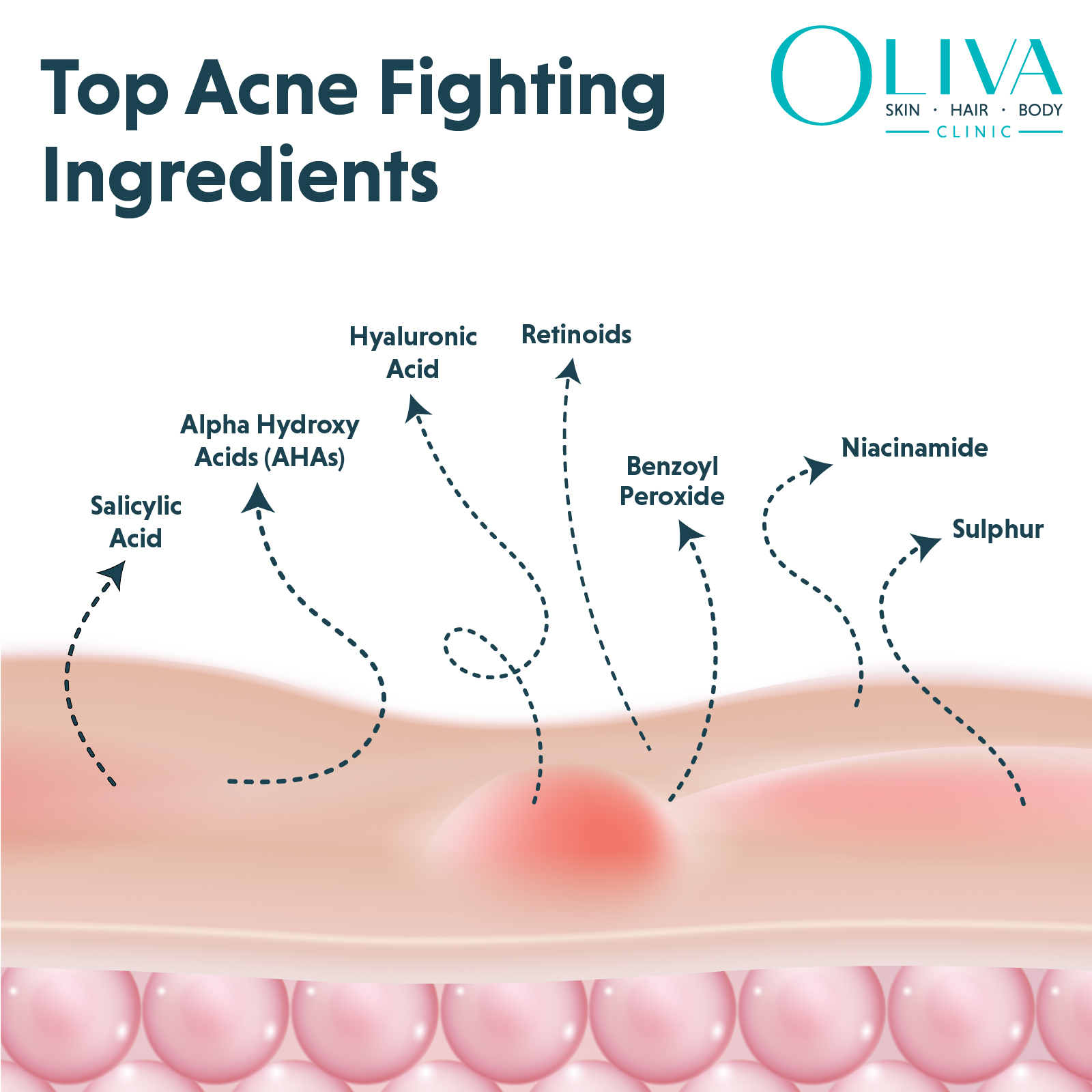
Here are the top acne-safe ingredients you should look for:
- Benzoyl Peroxide
- Salicylic Acid
- Alpha Hydroxy Acids (AHAs)
- Retinoids
- Niacinamide
- Azelaic Acid
- Hyaluronic Acid
- Tea Tree Oil
- Sulphur
Here are some ingredients you should avoid for acne-prone skin:
- Denatured Alcohol
- Fragrance
- Sulfates
- Parabens
- Oxybenzone
- Artificial Colours
- Mineral Oil
- Lanolin
- Cocoa Butter
- D & C Red
When To See A Dermatologist For Acne?
Acne is a common skin concern that can be caused by many reasons. Sometimes, a skincare routine and over-the-counter products are not enough. You need something beyond. See a dermatologist if your acne does not seem to be reducing or is persistent. There might be an underlying cause that needs to be addressed first. Only a professional can analyse your skin condition and diagnose the root cause. Accordingly, they might recommend an in-clinic treatment accompanied by a personalised skincare regimen.
Takeaway
Over-washing your face, skipping moisturiser, popping pimples, and using the wrong products are common acne mistakes we all make. To effectively manage your acne-prone skin, avoid these acne mistakes. The do’s and don’ts outlined in this article should help you identify where you were wrong and how you can fix it. If you still have confusion or need a targeted solution for your acne, do not hesitate to speak to a professional today.
Frequently Asked Questions On Acne Mistakes
Overwashing, popping pimples, using harsh or incorrect products, and skipping sunscreen are among the most common acne mistakes.
Yes. Over-cleansing your face can strip the skin of its natural oils. This can trigger excess oil production and worsen acne.
Yes. Popping pimples can push bacteria, pus, and dead skin cells deeper into the skin, causing inflammation, infections, and permanent acne scars.
Yes. People with acne-prone skin should use a lightweight, non-comedogenic moisturiser that helps maintain skin balance and prevents excess oil.
Avoid alcohol-based products, heavy oils, parabens, comedogenic ingredients, and harsh fragrances.
Yes. Consumption of dairy products, sugary, processed and fried foods can trigger or worsen acne in some individuals.
Yes. Skipping sunscreen can worsen acne marks or pimple scars and increase pigmentation.
Be consistent with the products for 6-8 weeks to see visible improvement. Stick to that specific period before you decide and switch the products.
Yes. Unmanaged stress in individuals can trigger hormonal changes that worsen acne.
Making the acne mistake can worsen breakouts, make them more persistent, and lead to long-term scarring and pigmentation.
Yes. Teens often overuse products or squeeze the pimples. At the same time, adults may ignore hormonal causes contributing to acne or delay the treatment.
Read This Next

Carrots Benefits for Skin: Unlock Natural Radiance
Salicylic Acid For Pimples: Know How To Use, Benefits & Dosage
Best Ingredients to Look for in Acne-Fighting Skincare Products: Expert Guide to Clearer Skin
How to Control Oil on Face: Effective Tips for Oily Skin Care
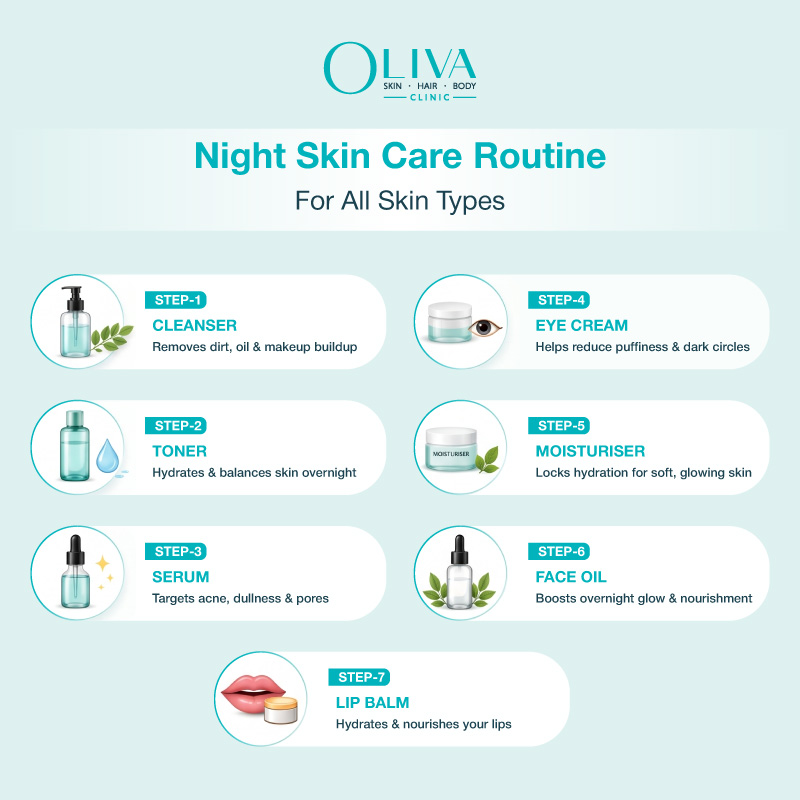
Night Skincare Routine for All Skin Types: Steps for Healthy, Glowing Skin