
 Laser Hair Reduction
 Hair Re-Growth
 Acne / Scar
 Skin Rejuvenation
 Insta Glow Solutions
 Pigmentation
 Anti-Aging
 More
More Body
Body
 Facts Checked
Collagen Benefits for Skin: Reduce Wrinkles & Boost Skin Health


Did you know that collagen makes up to 90% of your skin mass? As we age, collagen production declines, and existing collagen fibres break down, leading to signs of ageing. Taking collagen supplements or using skincare products that support collagen production can help maintain firmness and elasticity, strengthen your skin barrier, and reduce signs of ageing. If you are wondering whether collagen supplements are good and whether you should take them, this article is for you. In this comprehensive guide, we will explore the benefits of taking collagen. We will also look into how to prevent collagen loss and provide a list of collagen-rich foods you can take to boost collagen production.
In This Article
What Is Collagen?
Collagen is an essential protein that forms the fundamental structure of cells and tissues in our bodies. It comprises nearly one-third of the total protein in mammals [1] . There are five common types of collagen, of which type I collagen is the most abundant in the human body [2] . It is the main component of skin, teeth, bones, cartilage, and connective tissue.
What Does Collagen Do?
One of the most beneficial structural proteins in our bodies, collagen plays a vital role in connecting biological structures [3] . Collagen enables cells to adhere to one another, maintaining their structure and supporting optimal growth. Overall, it helps maintain skin’s elasticity, supports tissue repair, and enables tissues to resist tension and tearing.
What Are the Benefits of Taking Collagen?
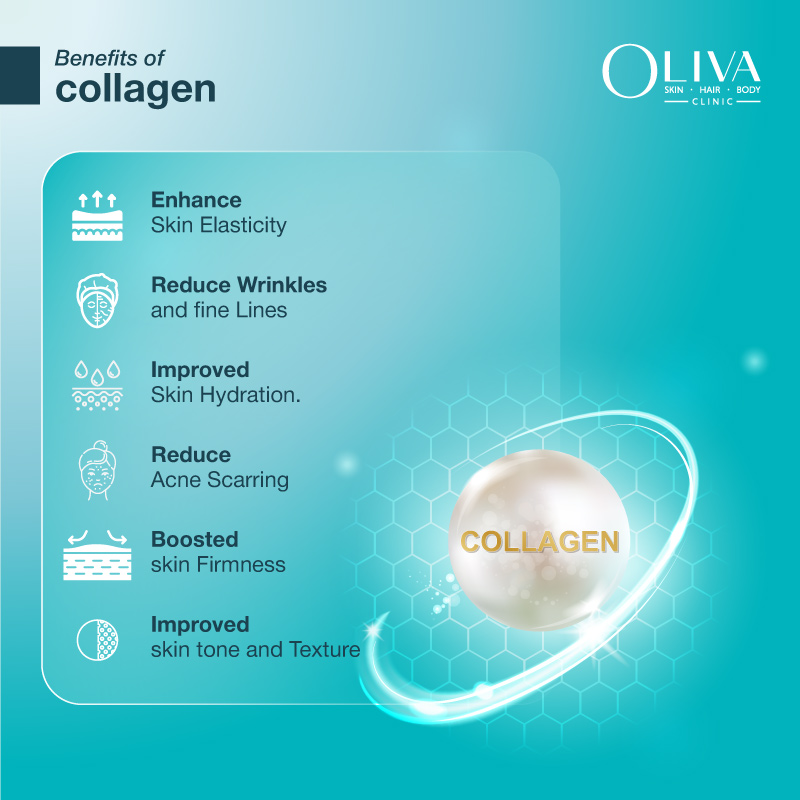
Collagen plays a vital role in maintaining overall tissue integrity. It is important for supporting skin elasticity for a healthy, youthful appearance. Collagen supplements commonly comprise hydrolysed collagen, which is easily absorbed by the body. Collagen benefits for skin include:
-
Enhances Skin Elasticity
Collagen supports skin health and elasticity. Regular intake of collagen supplements can improve skin elasticity.
-
Reduces Wrinkles And Fine Lines:
Collagen helps in the firmness of skin and reduces the appearance of wrinkles and fine lines
-
Improves Skin Hydration
Research has shown that taking collagen supplements can improve skin hydration. [4] .
-
Reduces Acne Scarring
Collagen can promote faster wound healing by providing structural support for new tissue growth. This reduces inflammation from acne and makes post-inflammatory scars less noticeable.
-
Boosts Skin Firmness
As it is the primary physical component of skin, one of the most evident collagen benefits for skin is enhancing skin firmness.
-
Improves Skin Tone And Texture
By improving skin elasticity and firmness and encouraging tissue repair, collagen supplements gradually refine skin tone and overall texture.
What Are The Signs Of Decreasing Collagen?
Our bodies can produce collagen using amino acids from protein-rich foods. Yet, ageing, sun damage, as well as lifestyle factors like smoking and alcohol consumption, cause a progressive decline in natural collagen production in the body. Some of the common signs of decreasing collagen production are:
- Wrinkles and skin sagging
- Joint pains and ligament stiffness
- Loss of fat around the eyes and face
- Problems with blood flow
- Gastrointestinal issues
What Lifestyle Habits Damage Collagen?
Smoking can lead to early signs of ageing, such as wrinkles, and delayed cell regeneration. This is because nicotine constricts blood vessels, reducing the supply of oxygen and nutrients, and damaging collagen and elastin in the skin.
Prolonged exposure to the sun’s ultraviolet radiation causes loss of collagen fibres and prevents the synthesis of new ones. This leads to wrinkles and skin sagging. To prevent UV-induced collagen loss, it is essential to wear a broad-spectrum SPF of 30+ daily and minimise direct sun exposure.
Excess sugar interferes with protein metabolism, affecting the quality of collagen production. As a result, collagen stiffening causes the skin to sag and wrinkles to deepen.
How To Prevent Collagen Loss?
While collagen production in the body gradually decreases with age, the following lifestyle changes can prevent rapid collagen loss in the body:
- Avoiding smoking
- Wearing sunscreen of SPF 30 and above and limiting sun exposure
- Restricting sugar and refined carbohydrates
What Are The Foods Rich In Collagen?
Collagen cannot be used by the body when consumed or applied in its whole form. Instead, it is first broken down into smaller and simpler constituents called amino acids and peptides. Therefore, eating collagen-rich food would not necessarily increase collagen levels in the body. However, a diet rich in foods that provide raw materials that enable collagen production can help boost your collagen levels. These include:
- Foods rich in vitamin C, such as oranges, strawberries, Brussels sprouts, potatoes, bell peppers, and broccoli
- Fish
- Oysters
- Lobster
- Egg whites
- Liver
- Red meats
- Chicken and poultry
- Pork skin
- Turkey
- Peanuts
- Mushrooms
- Cabbage
- Asparagus
- Green leafy vegetables
- Beans
- Chickpeas
- Nuts
- Whole grains
- Wheat
- Milk products
What Are The Side Effects Of Taking Collagen?
Usually, collagen supplements are considered safe and are not typically associated with any major side effects. The US Food and Drug Association does not specify any recommended daily intake levels for collagen supplements. It is mostly the responsibility of the manufacturers to ensure their products are safe for consumption. A study conducted on 59 different collagen products revealed that the labels did not specify the collagen source [5] . The products also lacked allergy cautions, making them potentially risky to consume.
Moreover, collagen is often combined with other ingredients in dietary supplements, which may raise safety concerns. For instance, large doses of biotin in certain collagen supplements can interfere with heart and thyroid lab tests. Professional consultation is recommended before taking collagen supplements, especially if taking other medications or if pregnant or nursing.
What Is The Treatment For Collagen?
There are many evidence-based advanced treatments to boost natural collagen production, such as:
- Laser Skin Resurfacing
- Micro-needling Radiofrequency
- Chemical Peels
- Collagen Induction Therapy
- Thread Lifts
- Dermal Fillers
- PRP Treatment
- Sculptra
- Radiesse
When To Consult Dermatologists?
It is important to take a dermatological consultation before starting collagen supplements for skin if you fall under the following categories:
- You are pregnant, nursing or taking other medications
- Have pre-existing health conditions or allergies
- Experience unusual hardness of skin or other side effects
- Do not see any results after several months of consistent collagen use
Takeaway
Collagen is the main structural protein found in the skin. It plays a major role in maintaining skin elasticity and suppleness. Our bodies can naturally produce collagen from protein-rich dietary sources. However, ageing, sun exposure and lifestyle factors, such as smoking and a high-sugar diet, can gradually reduce the body’s natural collagen production. Collagen benefits for skin include reduced fine lines and wrinkles, among others. It can be gained from consuming collagen supplements and foods that help boost its production in the body. However, to ensure individual safety, medical consultation is recommended.
Frequently Asked Questions On Benefits Of Collagen
Collagen cannot be absorbed by our bodies unless broken down into smaller constituents. Research suggests that steady use of peptides-comprising collagen supplements can contain can improve the elasticity of skin and reduce the appearance of wrinkles [6].
It can take anywhere from 4 to 6 weeks to see the initial results. However, long-term outcomes like firmer skin and reduced signs of aging can take up to 12 weeks to get visibly noticeable.
It is usually safe to take collagen daily. However, seeking medical advice is recommended if you are pregnant, breastfeeding or taking other medication.
Type I collagen, found in marine collagen supplements or fish, is known to support skin structure and firmness. Its effective in boosting skin hydration and reducing the appearance of fine lines and wrinkles.