

In This Article
 Facts Checked
Vitamin A Benefits for Skin: Uses, and How It Improves Skin Health


One of the most popular skincare ingredients, vitamin A, plays a key role in maintaining healthy skin and overall metabolism. From improving skin elasticity to reducing visible signs of ageing, vitamin A can give your skin a radiant and resilient glow. Let us explore its role, the best sources, tips to prevent deficiency, and how to use it effectively for maximum skin benefits.
In This Article
What Is Vitamin A?
Vitamin A is an important component found in a group of fat-soluble compounds such as retinol, beta-carotene, and retinyl palmitate [1]. It is a vitamin that is used by the body uses to perform several vital functions.
What Does Vitamin A Do?
Vitamin A is an essential nutrient that is required for healthy eyesight, cellular growth, immune function, and metabolic processes [2]. Vitamin A is also needed by the body to support:
- Reproductive health
- Strong skin and tissue barriers
- Function of the heart, lungs, intestine and urinary tract
What Are The Benefits of Vitamin A For Your Skin?
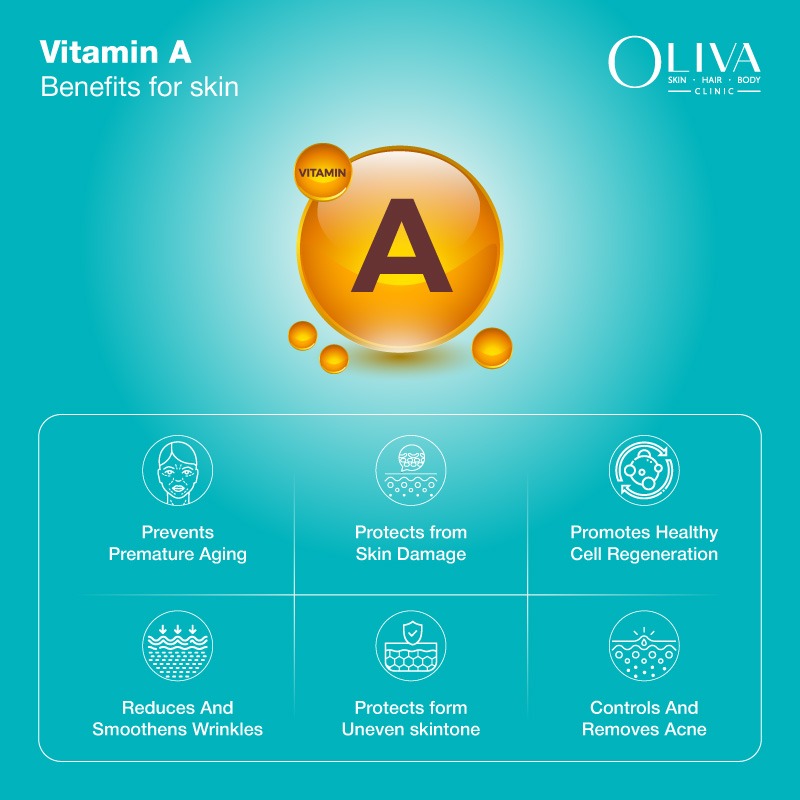
Vitamin A plays a crucial role in maintaining healthy skin and protecting it from environmental stressors. Vitamin A benefits for skin include:
-
Improving the Appearance of Wrinkles and Sagging:
Vitamin A is a powerful antioxidant that plays an important role in preventing free radical damage [3]. This helps delay ageing and reduce the appearance of its telltale signs like fine lines and wrinkles. Retinol is also known to boost collagen production, which improves skin elasticity and sagging.
-
Reducing Hyperpigmentation and Other Sun Damage:
Beta-carotene supports healthy cellular development, preventing cell damage from UV radiation and pollution. Similarly, retinoids can reduce hyperpigmentation, age spots, and sunspots by increasing overall cell turnover, which evens out skin tone.
-
Helping Address Acne:
Topical retinoids can help reduce acne in adults and adolescents [4]. By exfoliating the skin’s surface, they help remove grime, oil and dead cells, while also penetrating the skin to boost collagen production and minimise acne scarring.
-
Helping Treat Psoriasis and Other Skin Conditions:
Vitamin A can reduce inflammation and regulate cell growth. Most of the topical prescriptions for psoriasis contain vitamin A. Topical retinoids can also help with other inflammatory skin conditions like keratosis pilaris and lichen planus.
What Causes Vitamin A Deficiency?
Generally, men need about 900 micrograms of vitamin A daily and women about 700 micrograms, not exceeding 3,000 micrograms a day [5]. Vitamin A deficiency occurs when your body does not get adequate amounts of vitamin A. This can be caused by a diet low in vitamin A or specific health disorders. While vitamin A deficiency is one of the most common nutrient deficiencies, excess intake can seriously harm the liver.
How To Use Vitamin A For Skin?
Retinoids are the most common derivatives of vitamin A found in skincare products. When you start using retinoid products, it is always advisable to begin with lower concentrations (0.1-0.3%) and gradually increase them, but not beyond recommended levels. Topical retinol can make the skin sensitive to UV radiation; hence, it is best applied during nighttime routine. Use a hydrating moisturiser and broad-spectrum SPF of 30+ to protect the skin from sun damage during the day. In case of persistent redness, irritation or inflammation, discontinue and immediately consult an experienced dermatologist.
What Are The Side Effects Of Vitamin A?
Topical retinoids can cause some side effects, such as:
- Dry skin and worsening of eczema
- Increased sensitivity to UV rays
- Redness, itching and flaking of skin
Some side effects of oral vitamin A include:
- Nausea
- Dizziness
- Blurred vision
- Liver damage
- Birth Defects
How To Prevent Vitamin A Deficiency?
A diet rich in vitamin A sources is the most effective way to prevent vitamin A deficiency. In case of severe deficiency or other underlying medical conditions, a healthcare provider can also prescribe Vitamin A supplements.
What Are The Best Sources Of Vitamin A?
Since the body cannot produce vitamin A on its own, it must be obtained from dietary sources. Vitamin A can be obtained in two forms [6]:
- Preformed vitamin A (retinoids) : These can be found in animal products like poultry, beef, oily fish, liver, eggs, fortified cereals, and dairy products.
- Provitamin A (beta-carotin) : These can be derived from yellow-orange fruits and vegetables that contain carotenoids, such as carrots, pumpkin, sweet potatoes, spinach, broccoli, kale, red peppers, papaya, apricots, mangoes, and cantaloupe.
Who Is At Risk?
Forms of vitamin A for skin should be used with caution, as they might not suit everyone. If you have skin conditions like dry skin, eczema, rosacea, skin allergies, hormonal acne or scarring, retinoid products might not be a good option for you.
When To Visit A Dermatologist?
Retinoids might prove beneficial for treating mild acne, moderate pigmentation issues or faint fine lines and wrinkles. If you are dealing with persistent skin concerns that require detailed analysis and a targeted approach, it is best to consult an experienced skin care professional. Individuals with sensitive skin and preexisting skin conditions are also advised to seek dermatological consultation to ensure safety. A specialised professional session can help you identify your unique skin needs and get tailored treatments for holistic results.
Takeaway
Vitamin A is essential for healthy eyes, skin and cellular function in our bodies. It can provide a host of benefits, including anti-ageing, enhanced sun protection, and acne control. A well-balanced diet rich in vitamin A is important as our bodies cannot produce it on their own. Vitamin A deficiency can adversely affect eyesight and skin, causing dryness and inflammation. However, vitamin A for skin should also be used with caution, as it can lead to potential side effects. For safe and effective use of vitamin A products for specific skin concerns, always consult an experienced dermatologist.
Frequently Asked Questions On Vitamin A Benefits for Skin
Yes, vitamin A can improve the skin’s texture. By increasing cell turnover, boosting collagen production and breaking down dead skin cells, consistent use of vitamin A can lead to a brighter complexion.
Yes, an excess of vitamin A can cause dryness, redness, peeling, and an overall rougher skin texture. Sometimes, too much vitamin A can also lead to increased sun sensitivity. It is best to consult an expert for safety.
Vitamin A in the form of retinoid can be readily absorbed by our skin when applied topically. Always patch test before facial application, and start with a lower concentration to prevent irritation.
No, vitamin A does not help you tan. Though a high intake of beta-carotene, a vitamin A precursor, may help produce a golden tone with increased UV protection, it is not a melanin-based actual tan.
In skincare, retinol is widely considered an optimal form of vitamin A. For beginners, a retinol concentration of 0.1–0.3% is generally recommended as a safe starting point. However, it is best to patch test before application.