

In This Article
 Facts Checked
Best Hair Fall Treatments in India Explained | Medical, Advanced & Surgical Options


Hair fall is not just a cosmetic concern, it is a progressive medical condition. What starts as mild shedding can quickly turn into visible thinning and permanent follicle damage if treatment is delayed. The problem isn’t the lack of solutions, but choosing the right treatment at the right stage. Oils and home remedies rarely address the biological cause of hair loss. In contrast, dermatologist-led, evidence-based hair fall treatments in India can slow progression, reactivate follicles, and restore density, especially when started early. This guide explains what truly works, how treatments are chosen, how long results take, and when to seek expert care, helping you make informed decisions before hair loss becomes harder to reverse.
In This Article

Highlights
- Hair fall treatment in India includes medical, injectable, device-based, and surgical options used to manage conditions like androgenetic alopecia, telogen effluvium, and alopecia areata.
- Effective treatment depends on accurate dermatological diagnosis, hair loss stage, and individual follicle health.
- Medical therapies such as minoxidil and finasteride help slow hair loss and preserve existing hair.
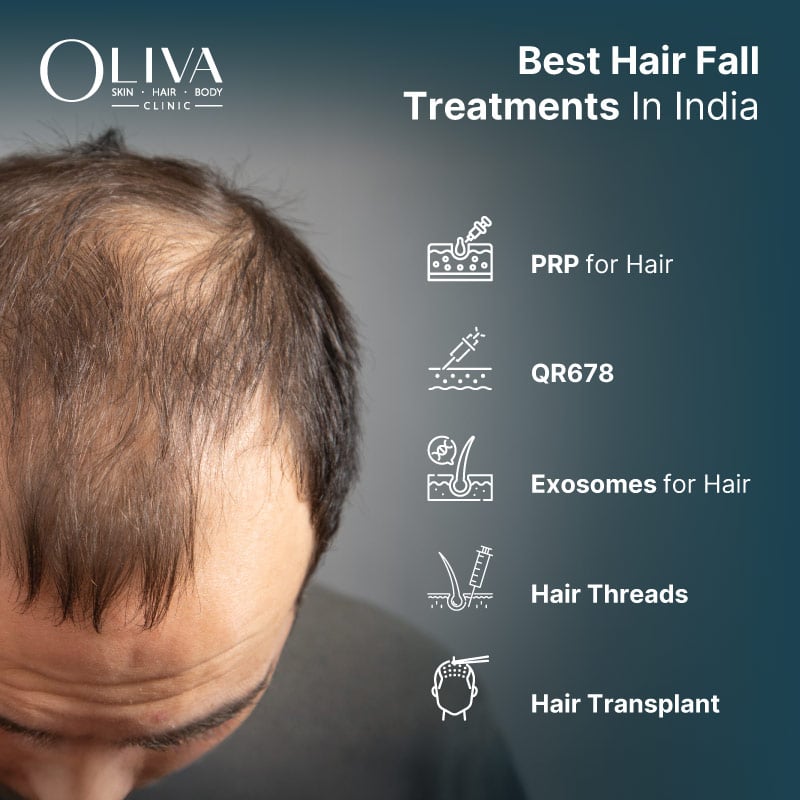
- Non-surgical in-clinic treatments like PRP, QR678, exosomes, and microneedling stimulate follicular activity and improve hair density.
- Hair transplant procedures (FUE, FUT, DHI) offer permanent restoration in stable hair loss patterns.
- Early treatment delivers better outcomes, as prolonged delay can lead to irreversible follicle miniaturisation.
- Visible improvement typically begins within 3–4 months, with optimal results seen over 6–12 months.
- Hair fall treatments are safe and effective when performed by qualified dermatologists.
- Cost of hair fall treatment in India varies based on diagnosis, treatment modality, number of sessions, and clinical expertise.
- A professional dermatology consultation is essential to determine the most effective and sustainable treatment approach.
What Is Hair Fall?
Hair fall (alopecia) is the abnormal shedding or thinning of scalp hair beyond the physiological range of 50–100 strands/day. In India, the most common causes include genetic predisposition, hormonal imbalance, nutritional deficiency, stress, and inflammatory scalp disorders.
What To Do When You First Notice Hair Fall?
Noticing increased hair fall can be concerning, but early and informed action makes a significant difference. Hair fall is often the first visible sign of an underlying issue, and responding correctly at this stage helps prevent long-term thinning.
The steps below explain what you should do once hair fall becomes noticeable, and why each step matters:
- Observe the Pattern and Duration: Mild daily shedding is normal, but hair fall that continues for more than 6–8 weeks, increases suddenly, or is accompanied by visible thinning or scalp exposure may indicate an underlying problem that needs attention.
- Avoid Trial-and-Error Remedies: Home remedies, oils, and random over-the-counter products may improve hair feel temporarily but often do not treat the cause of hair fall. Delaying proper care can allow hair loss to progress further.
- Seek Early Dermatologist Consultation: A dermatologist can identify whether hair fall is related to genetics, stress, nutritional deficiencies, hormonal changes, or scalp inflammation, ensuring the treatment targets the correct cause.
- Act Early to Preserve Follicle Health: Hair follicles are easier to protect than restore. Early diagnosis and timely treatment help slow progression, preserve existing hair, and reduce the need for advanced interventions later.
Hair Growth Cycle
The hair growth cycle is a repeating biological process that determines how hair grows, sheds, and regrows. Understanding this cycle explains why hair fall treatments take time and why results appear in phases rather than instantly. Each hair follicle on the scalp functions independently and moves through the following stages:
Anagen (Growth Phase)
This is the active growth phase, during which hair cells rapidly divide and the hair shaft lengthens. About 85–90% of scalp hair is in anagen at any time. The phase lasts 2–6 years and largely determines hair length, thickness, and density.
Catagen (Transition Phase)
Catagen is a short regression phase lasting 2–3 weeks. Hair growth stops, the follicle shrinks, and detaches from its blood supply. Only ~1% of hairs are in this phase at any moment.
Telogen (Resting Phase)
During telogen, the hair follicle rests for 2–4 months. Around 10–15% of hairs are typically in this stage. At the end of telogen, the old hair is released to make way for new growth.
Exogen (Shedding Phase)
Exogen is the shedding of the old hair shaft, which is normal and usually accounts for 50–100 hairs per day. Excessive shedding occurs when too many follicles enter telogen/exogen simultaneously (e.g., stress, illness, deficiency).
How Hair Fall Treatment Works?
Hair fall treatments work by reducing follicular miniaturisation, improving scalp vascularity, correcting deficiencies, and stimulating dormant hair follicles. Medical treatments slow progression, while advanced therapies promote regrowth and density restoration.
Who Should Consider Hair Fall Treatment?
Hair fall treatment should be considered by individuals experiencing persistent or excessive hair shedding lasting more than 6–8 weeks, visible thinning, or reduced hair volume. It is especially recommended for those with genetic hair loss (androgenetic alopecia), post-stress or post-illness hair fall, hormonal changes such as postpartum shedding, or sudden patchy hair loss that may indicate autoimmune conditions. People who do not see improvement with home remedies or over-the-counter products, as well as those planning advanced therapies or hair transplantation, benefit from early dermatologist-led evaluation, as timely treatment helps preserve follicles and improves long-term outcomes.
Treatment Options for Hair Fall in India
-
Medical & Topical Treatments
Minoxidil
Minoxidil works by increasing blood flow to the hair follicles and prolonging the anagen (growth) phase of the hair cycle. It helps enlarge miniaturised follicles, allowing them to produce thicker and longer hair shafts over time. Minoxidil primarily supports regrowth and slows further thinning, but does not address hormonal causes.
Indicated for: Androgenetic alopecia, early thinning
Results: Visible improvement in 3–4 months
Note: Requires continuous use to maintain results
Finasteride
Finasteride works by blocking the conversion of testosterone into dihydrotestosterone (DHT), the hormone responsible for follicle shrinkage in male pattern hair loss. By reducing scalp DHT levels, it helps preserve existing hair and slow disease progression, particularly in the crown and mid-scalp.
Indicated for: Male androgenetic alopecia
Effect: Slows progression and preserves existing hair
Note: Medical oversight required due to hormonal action
Other Medications
Depending on the cause, dermatologists may prescribe anti-androgens, oral minoxidil, nutritional supplements, or antifungal agents. These address systemic triggers such as inflammation, deficiency, or hormonal imbalance.
Topical Corticosteroids / Immunotherapy
These treatments work by suppressing autoimmune or inflammatory activity around hair follicles, particularly in conditions like alopecia areata. By reducing immune-mediated follicle attack, they allow hair follicles to resume normal growth activity.
Examples: Corticosteroid lotions, contact immunotherapy
Outcome: Variable, condition-dependent
-
Non-Surgical Therapies (In-Clinic)
Platelet-Rich Plasma (PRP)
PRP (Platelet-Rich Plasma) works by delivering high concentrations of natural growth factors derived from the patient’s own blood directly to weakened hair follicles. These growth factors stimulate follicular repair, improve scalp blood circulation, and strengthen existing hair follicles. By enhancing the follicular environment, PRP helps reduce hair fall and improve hair thickness and density, particularly in early to moderate hair thinning.
Best for: Early to moderate hair thinning
Sessions: Multiple sessions at monthly intervals
Outcome: Reduced shedding, improved density
QR678 Treatment
QR678 works by delivering a targeted combination of growth factor–mimicking peptides that stimulate weakened hair follicles at a cellular level. These peptides help counter follicle miniaturisation, improve follicle signalling, and strengthen existing hair strands without affecting hormones. By improving the scalp’s biological environment, QR678 helps reduce hair fall and gradually improve hair density.
Indicated for: Male and female pattern hair loss
Advantage: Non-hormonal, targeted action
Results: Progressive density improvement
Exosomes Hair Treatment
Exosomes hair treatment works by restoring cell-to-cell communication within hair follicles, which is essential for normal hair growth. Exosomes deliver bioactive signals that activate follicular stem cells, reduce inflammation, and improve blood supply, allowing dormant follicles to re-enter the growth (anagen) phase. By countering follicle miniaturisation and strengthening follicle function, exosome therapy supports thicker, healthier hair growth, particularly in advanced or treatment-resistant hair loss.
Use case: Advanced or resistant hair loss
Benefit: High regenerative potential
Status: Emerging regenerative dermatology treatment
PDO Hair Threads
PDO hair threads work by creating controlled stimulation within the scalp, which triggers collagen production and improves blood circulation around hair follicles. This enhanced scalp support helps strengthen follicle anchoring and improve nutrient delivery to existing hair. By improving the follicular microenvironment, PDO threads help reduce hair thinning and support better hair density, especially in cases of diffuse hair loss.
Best suited for: Diffuse thinning
Key benefit: Improves scalp support structure
Stem Cell Therapy
Stem cell therapy uses adipose- or follicle-derived regenerative cells to activate dormant follicles and repair the follicular microenvironment.
Indication: Progressive or advanced hair loss
Mechanism: Cellular regeneration
Availability: Limited, specialist centres only
Mesotherapy
Mesotherapy delivers a cocktail of vitamins, amino acids, and growth stimulants directly into the scalp via micro-injections to nourish follicles.
Role: Adjunctive therapy
Outcome: Improved hair quality and reduced breakage
Microneedling (Derma Rolling)
Microneedling creates controlled microchannels in the scalp, enhancing topical drug absorption and triggering wound-healing growth pathways.
Often combined with: Minoxidil or PRP
Benefit: Improved treatment responsiveness
GFC Hair Treatment (Growth Factor Concentrate)
GFC hair treatment works by delivering a highly concentrated and purified mix of natural growth factors derived from the patient’s own blood to weakened hair follicles. These growth factors stimulate follicle repair, improve scalp blood circulation, and strengthen existing hair follicles, creating a healthier environment for hair growth without additives or hormones.
Best suited for: Early to moderate hair thinning, stress-related hair fall, and individuals seeking a non-hormonal option
Key benefit: Reduces hair fall and improves hair thickness and density with good safety and tolerability
-
Surgical Options (Hair Transplant)
FUE (Follicular Unit Extraction)
FUE works by relocating healthy, genetically resistant hair follicles from donor areas to regions affected by hair loss. These transplanted follicles retain their resistance to hair loss hormones, allowing them to produce permanent, natural-looking hair in thinning or bald areas. FUE helps restore hair density and scalp coverage with long-term stability when hair loss is appropriately stabilised.
Advantages: Minimal scarring, faster recovery
Indicated for: Stable hair loss patterns
FUT (Follicular Unit Transplantation)
FUT restores hair by transferring a larger number of hair follicles from donor regions to bald areas in a single session. The transplanted follicles maintain their genetic characteristics, enabling permanent hair growth in recipient areas. FUT is particularly useful when extensive coverage is required due to advanced hair loss.
Used when: Large graft numbers are required
DHI (Direct Hair Implantation)
DHI works by precisely placing individual hair follicles into thinning areas with controlled depth, direction, and angle. This precision improves follicle survival and natural hair alignment, especially in aesthetic zones such as the hairline. DHI helps achieve denser, more refined results with long-term permanence.
Benefit: Higher graft survival, enhanced precision and density control
Ideal for: Hairline design and aesthetic refinement
-
Lifestyle Changes
Lifestyle changes play an important supportive role in managing hair fall by reducing internal triggers that weaken hair follicles. While lifestyle correction alone may not reverse clinical hair loss, it improves treatment response and helps maintain long-term results.
Addressing the lifestyle factors below helps improve scalp health and allows medical hair fall treatments to work more effectively:
- Balanced, Nutrient-Rich Diet: Adequate intake of protein, iron, zinc, biotin, and essential vitamins supports hair shaft formation and follicle strength. Nutritional deficiencies can prolong hair fall and limit treatment effectiveness.
- Stress Management: Chronic stress can disrupt normal follicle function and increase hair shedding. Stress control through regular physical activity, relaxation techniques, and adequate rest helps stabilise hair fall.
- Quality Sleep: Poor sleep affects hormonal balance and cellular repair. Consistent, restorative sleep supports scalp health and improves the body’s ability to respond to hair fall treatments.
- Scalp Hygiene and Hair Care Practices: Maintaining a clean, healthy scalp helps reduce inflammation, dandruff, and follicle blockage, creating a better environment for hair growth. Gentle hair care prevents unnecessary breakage and traction.
- Hormonal and Medical Health Management: Conditions such as thyroid disorders, PCOS, and metabolic imbalances can contribute to ongoing hair fall. Managing these conditions medically supports better hair outcomes.
- Avoidance of Damaging Habits: Smoking, excessive heat styling, and harsh chemical treatments can weaken hair fibres and scalp health. Reducing these habits helps preserve hair quality and follicle integrity.
Lifestyle changes do not replace medical hair fall treatment but strengthen treatment outcomes by improving scalp health, follicle resilience, and overall biological balance.
Hair Fall Treatment Procedure
Hair fall treatment in India follows a structured, dermatologist-led clinical pathway to ensure diagnosis-based and evidence-driven outcomes.
-
Clinical Assessment & Diagnosis
The process begins with a detailed medical history, scalp examination, and trichoscopy to assess hair density, follicle miniaturisation, scalp inflammation, and hair shaft abnormalities. Blood tests may be advised to identify iron deficiency, thyroid disorders, vitamin deficiencies, or hormonal imbalance.
-
Hair Loss Classification
Hair loss is categorised into conditions such as androgenetic alopecia, telogen effluvium, alopecia areata, or scarring alopecia, as treatment effectiveness depends on the underlying pathology.
-
Personalised Treatment Planning
Based on diagnosis and severity, a customised treatment plan is designed using medical treatments, in-clinic procedures, or surgery. Combination therapy is commonly recommended for optimal follicular response.
-
Treatment Execution & Monitoring
Treatments are administered in phases, with periodic follow-ups every 8–12 weeks to monitor shedding control, regrowth response, and scalp health using repeat trichoscopy.
-
Maintenance & Long-Term Care
Hair fall treatment requires maintenance therapy to sustain follicular activity and prevent relapse, especially in genetic hair loss.
Benefits of Professional Hair Fall Treatment
Professional hair fall treatment offers medical accuracy, predictable outcomes, and long-term follicle preservation, which cannot be achieved through self-medication or cosmetic solutions alone. Dermatologist-led care focuses on treating the cause, not just the symptom. Below are the key benefits of professional hair fall treatment, explained in detail to highlight how medically supervised care improves outcomes at every stage of hair loss:
- Accurate Diagnosis & Cause-Specific Treatment: Hair fall has multiple causes, including genetic sensitivity to DHT, hormonal imbalance, nutritional deficiency, autoimmune inflammation, and stress-related shedding. Professional evaluation ensures the treatment targets the exact pathology, preventing ineffective or unnecessary therapies.
- Slows or Stops Progressive Hair Loss: Early medical intervention can halt follicular miniaturisation, especially in androgenetic alopecia. By controlling disease progression, professional treatment helps retain existing hair, which is easier and more reliable than restoring lost follicles later.
- Reactivates Dormant Hair Follicles: Advanced in-clinic therapies such as PRP, growth factor injections, microneedling, and regenerative treatments stimulate inactive follicles, supporting new hair growth and improved follicle strength.
- Improves Hair Density, Thickness & Quality: Clinically guided treatments enhance hair shaft diameter, density, and scalp coverage, leading to visibly healthier, fuller-looking hair over time rather than temporary cosmetic volume.
- Prevents Irreversible Follicle Damage: Untreated or poorly managed hair loss can lead to permanent follicle shutdown, making non-surgical treatments ineffective. Professional care preserves follicle viability and keeps future treatment options open, including regenerative or surgical solutions.
- Safer, Evidence-Based Treatment Protocols: Medical supervision ensures therapies are scientifically validated, appropriately dosed, and safely combined. This reduces the risk of side effects, scalp damage, or long-term complications associated with unverified treatments.
- Customised Combination Therapy: Most patients benefit from a combination approach, such as medical therapy plus injectables or device-based treatments. Dermatologists design treatment plan that adapt over time based on response, ensuring optimal results at each stage.
- Measurable, Monitored Outcomes: Progress is tracked using clinical photography and trichoscopy, allowing objective assessment of hair regrowth, density improvement, and treatment effectiveness—something not possible with self-treatment.
- Long-Term Hair Health & Maintenance Planning: Professional hair fall treatment includes maintenance strategies to sustain results, reduce relapse, and support ongoing scalp health, especially in chronic or genetic hair loss conditions.
- Higher Patient Satisfaction & Predictable Results: When hair loss is managed early and scientifically, patients experience greater confidence, visible improvement, and realistic expectations, resulting in higher long-term satisfaction.
Results Timeline
Hair fall treatment results appear gradually and follow the natural hair growth cycle. Most patients first notice a reduction in excessive hair shedding within 4–6 weeks as follicle activity stabilises. Visible regrowth typically begins by 3–4 months, with fine new hairs appearing in thinning areas. By 6–9 months, hair density, thickness, and overall scalp coverage improve significantly as new hair matures. Around 12 months, hair loss usually stabilises, and maximum non-surgical results are achieved, after which maintenance therapy is required to preserve outcomes. Results vary based on the underlying hair loss condition, severity, treatment type, and adherence to dermatologist-guided protocols.
Before & After Results for Hair Fall Treatment
The images below show real treatment outcomes achieved through procedures performed by dermatologists, highlighting gradual improvements in hair density, thickness, and scalp coverage over time. Results vary based on the type and stage of hair loss, treatment plan, and individual biological response, underscoring the value of personalised, dermatologist-led care.
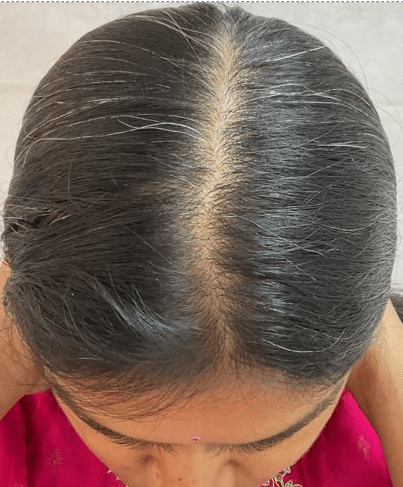 Before
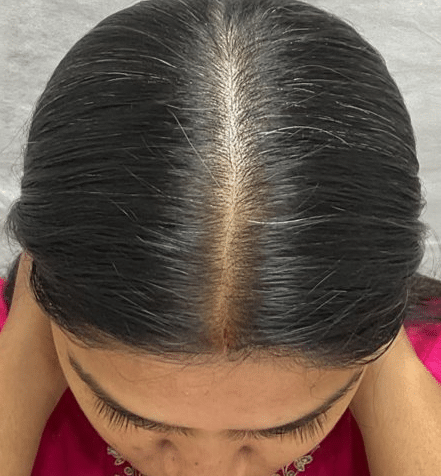 After
After
Client Name : Vijaya Durga
Client ID: SEC64R5102
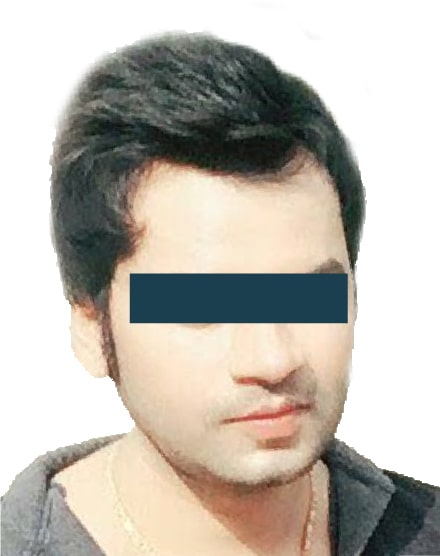 Before
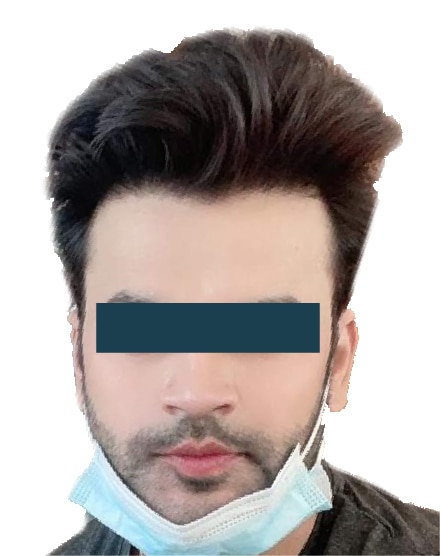 After
After
Client Name : Vikram Patel
Client ID: AW93X4721
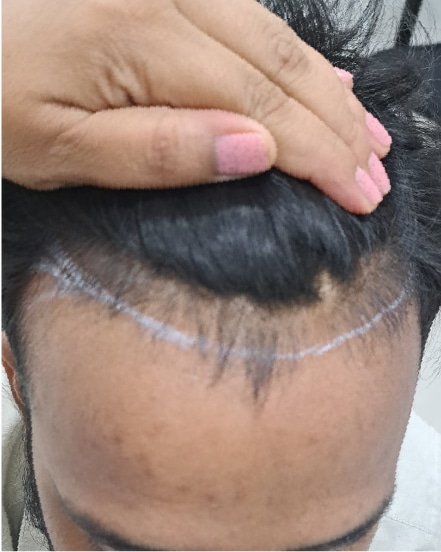 Before
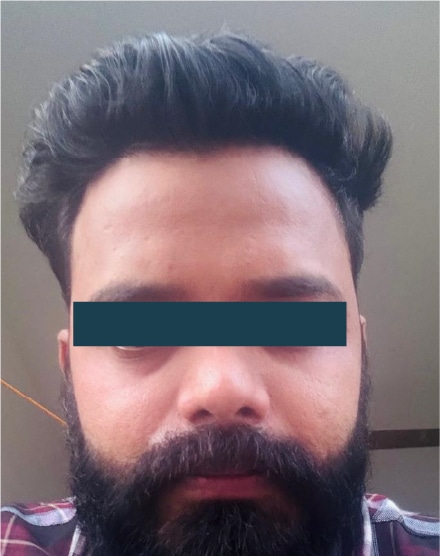 After
After
Client Name : Suresh Kumar
Client ID: KM03B6742
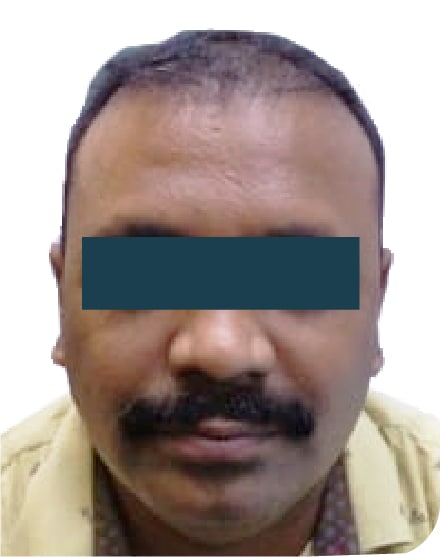 Before
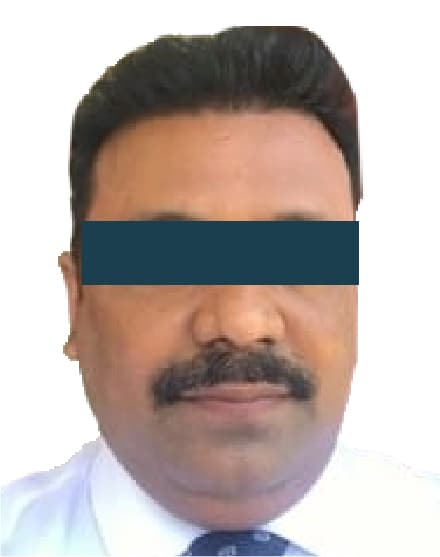 After
After
Client Name : Ravi Menon
Client ID: HS48P9310
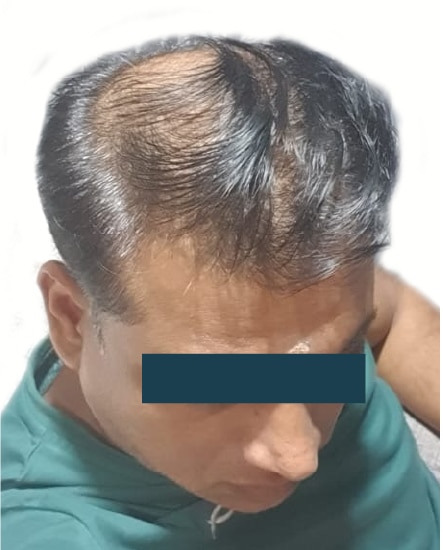 Before
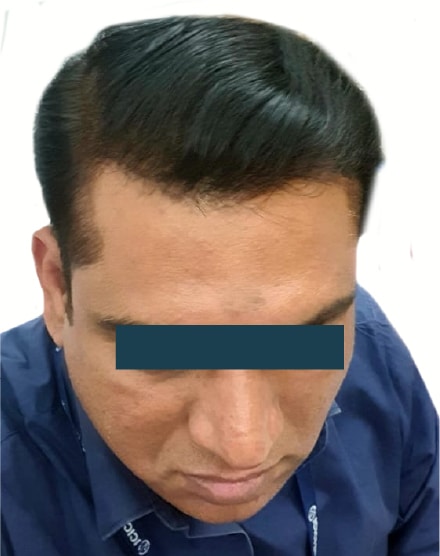 After
After
Client Name : Rajesh Nair
Client ID: AW16Z2498
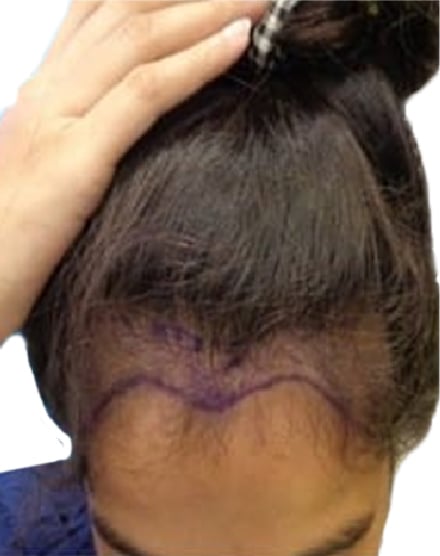 Before
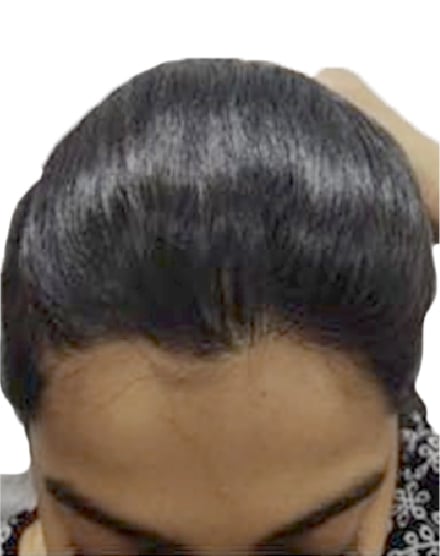 After
After
Client Name : Priya Shah
Client ID: KM84T1290
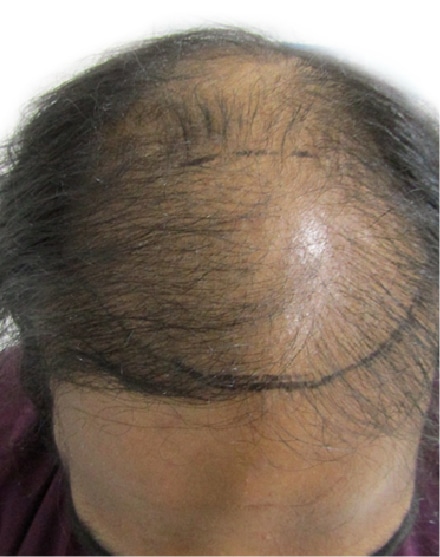 Before
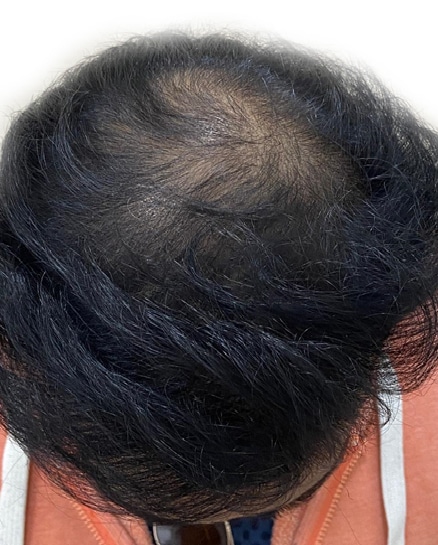 After
After
Client Name : Anil Reddy
Client ID: HS19Z6048
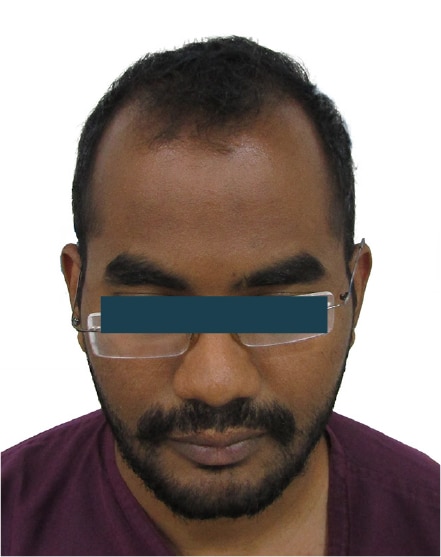 Before
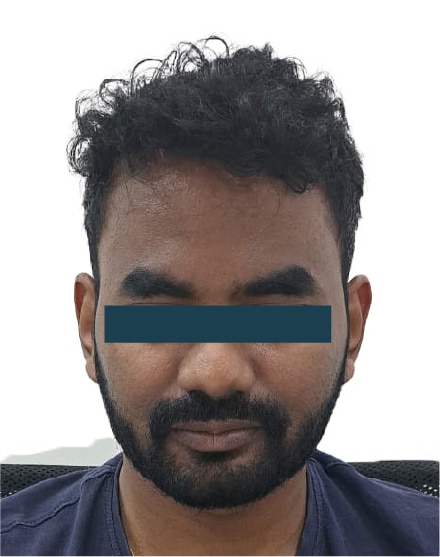 After
After
Client Name : Rohit Bansal
Client ID: AN64T9087
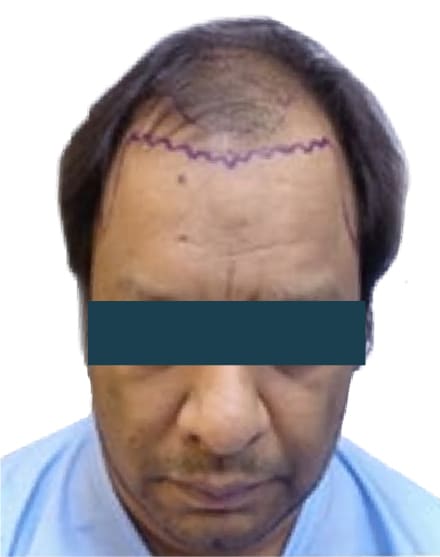 Before
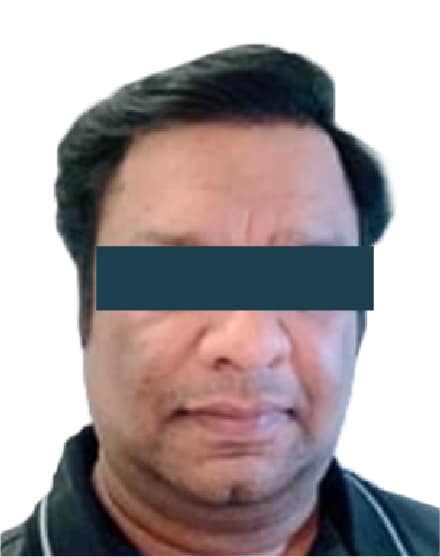 After
After
Client Name : Amit Verma
Client ID: CG92L6701
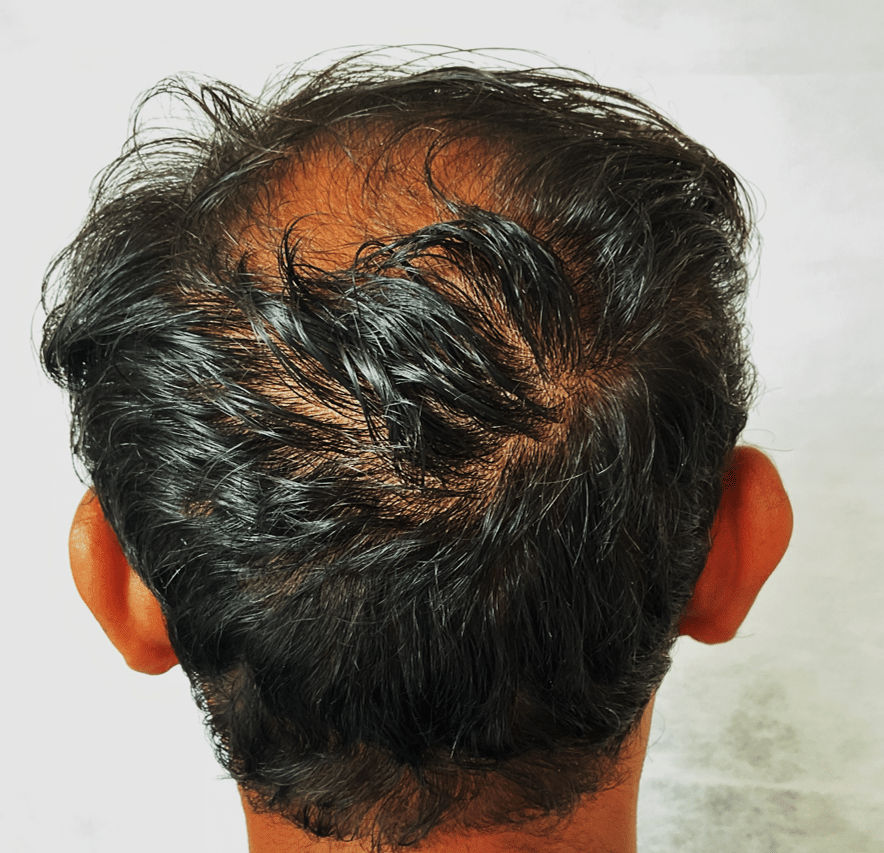 Before
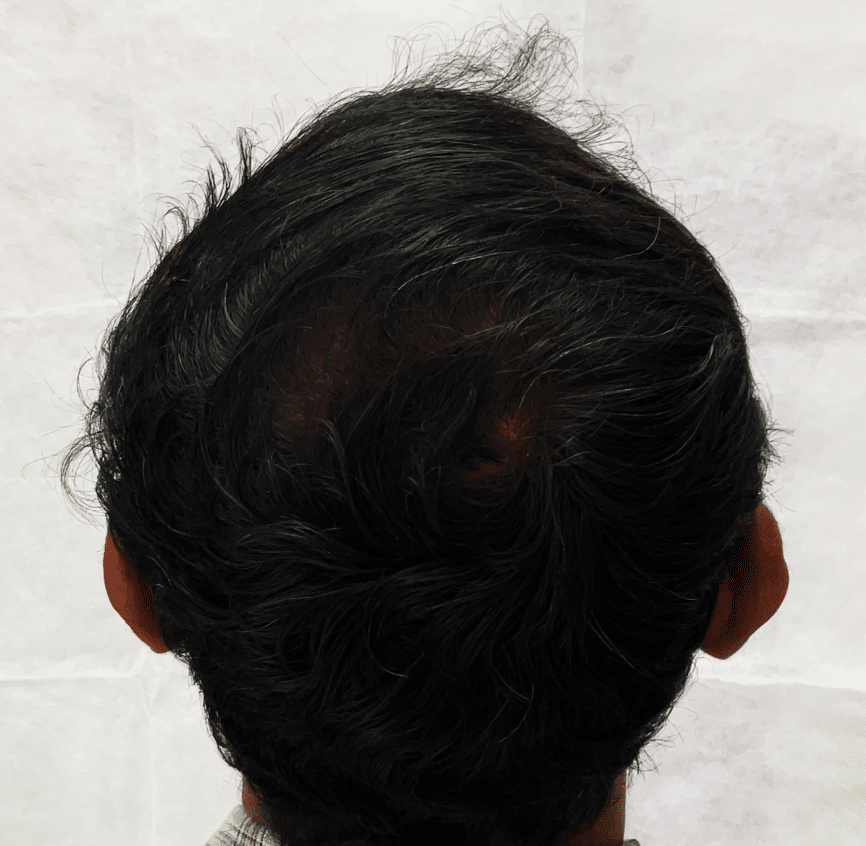 After
After
Client Name : Narayana Shiva Shankar
Client ID: BGM06C4677
Safety & Medical Oversight
Hair fall treatments are safe when prescribed by qualified dermatologists. Side effects are usually mild and temporary when evidence-based protocols are followed. Self-medication and unverified treatments increase the risk of ineffective results and scalp damage.
Cost of Hair Fall Treatment in India
The cost of hair fall treatment in India typically ranges from INR 2,000 per month for medical therapies to INR 45,000 or more for advanced procedures such as hair transplantation.
The overall cost varies based on diagnosis, type of treatment selected, number of sessions required, technology used, and the expertise of the clinic and dermatologist.The table below provides a clear comparison of the cost range for different hair fall treatments in India, helping you understand how pricing varies by treatment type and intensity:
| Treatment Type | Treatment Name | Typical Cost Range (India) | Sessions Required | Best Suited For |
| Medical Therapy | Minoxidil (Topical/Oral) | ₹700 – ₹1,000 per month | Ongoing | Early-stage androgenetic alopecia |
| Medical Therapy | Finasteride (Oral) | ₹5,00 – ₹7,00 per month | Ongoing | Male pattern hair loss |
| Medical Therapy | Supplements / Adjunct Medications | ₹1,000 – ₹3,000 per month | Ongoing / Short-term | Deficiency-related hair fall |
| Injectable Therapy | PRP (Platelet-Rich Plasma) | ₹4,000 – ₹8,000 per session | 6–8 sessions | Mild to moderate thinning |
| Injectable Therapy | QR678 | ₹7,000 – ₹10,000 per session | 6–8 sessions | Male & female pattern hair loss |
| Regenerative Therapy | Exosomes Hair Treatment | ₹15,000 – ₹30,000 per session | 3–5 sessions | Advanced or resistant hair loss |
| Regenerative Therapy | Stem Cell Therapy | ₹25,000 – ₹50,000 per session | Limited sittings | Progressive hair loss |
| Adjunct Therapy | Mesotherapy | ₹3,000 – ₹6,000 per session | 6–10 sessions | Hair quality & diffuse thinning |
| Adjunct Therapy | Microneedling (Derma Rolling) | ₹2,000 – ₹5,000 per session | 6–12 sessions | Treatment enhancement |
| Thread Therapy | PDO Hair Threads | ₹15,000 – ₹25,000 per session | 1–3 sessions | Diffuse thinning |
| Surgical Treatment | FUE Hair Transplant | ₹40 – ₹80 per graft | One-time | Stable baldness |
| Surgical Treatment | FUT Hair Transplant | ₹30 – ₹60 per graft | One-time | Large bald areas |
| Surgical Treatment | DHI Hair Transplant | ₹80 – ₹150 per graft | One-time | Hairline refinement |
Factors Affecting the Cost of Hair Fall Treatment in India
The cost of hair fall treatment in India varies significantly because hair loss is not a one-size-fits-all condition. Pricing is influenced by multiple medical and procedural factors mentioned below:
- Type and Severity of Hair Loss: Different conditions—such as androgenetic alopecia, telogen effluvium, or alopecia areata—require different treatment intensities. Advanced or long-standing hair loss often needs combination or procedural therapies, increasing overall cost.
- Treatment Modality Chosen: Medical therapies are generally lower-cost and ongoing, while in-clinic injectables, regenerative treatments, or hair transplantation involve higher upfront expenses due to technology, expertise, and infrastructure.
- Number of Sessions Required: Most non-surgical treatments require multiple sessions over several months. The total cost depends on how many sittings are needed to achieve and maintain results.
- Technology and Products Used: Advanced techniques, proprietary formulations, or regenerative therapies use specialised equipment and biologically active materials, which directly impacts pricing.
- Clinic Expertise and Dermatologist Experience: Treatment performed under experienced dermatologists, with proper diagnosis and monitoring, may cost more but offers higher safety, accuracy, and predictable outcomes.
- Geographic Location: Costs can vary between cities and regions based on operational expenses, demand, and availability of advanced treatments.
Takeaway
Hair fall is a progressive medical condition, and outcomes depend heavily on how early and accurately it is treated. With the right diagnosis and dermatologist-performed treatments, hair loss can be slowed, stabilised, and in many cases visibly improved. Delaying treatment often reduces the number of viable follicles, limiting future results—even with advanced therapies.
If you are experiencing persistent hair fall, thinning, or scalp visibility, a personalised consultation at Oliva Clinics is the right first step. With experienced dermatologists and clinics across major Indian cities such as Hyderabad, Bengaluru, Chennai, Kolkata, Pune, Kochi, Vizag, Ahmedabad, Ludhiana and Vijayawada, Oliva offers evidence-based hair fall treatments tailored to your hair loss type, stage, and goals.
Book a consultation at your nearest Oliva Clinic to get a clear diagnosis, a customised treatment plan, and realistic expectations—before hair fall becomes harder to reverse.
Frequently Asked Questions
There is no single “best” treatment. Medical therapies, PRP, QR678, exosomes, and hair transplant procedures are selected based on the cause and severity of hair loss. A dermatologist consultation is essential to determine the most suitable option.
Yes. A dermatologist consultation is essential to avoid ineffective or unnecessary treatments. It ensures you receive clinically appropriate care, accurate cost guidance, and realistic expectations before starting treatment.
You should book a consultation if hair fall lasts more than 6–8 weeks, if you notice thinning, reduced volume, or scalp visibility, or if home remedies and OTC products have not worked. Early evaluation helps preserve follicles and improves treatment outcomes.
Yes. After diagnosis, the dermatologist explains the recommended treatment options, number of sessions required, expected outcomes, and cost structure, helping you make an informed decision before proceeding.
Most treatments can begin immediately after consultation, depending on diagnosis and suitability. Early initiation improves response and reduces the risk of further hair loss.
Hair fall treatments are safe when performed by qualified dermatologists using evidence-based protocols. Risks are minimal when treatments are personalised and medically guided.
Medical and non-surgical treatments control and stabilise hair loss but often require maintenance. Hair transplant procedures provide permanent results in transplanted areas, provided hair loss is stable.
Yes. Hair fall treatments in India are commonly performed for women experiencing pattern thinning, post-partum hair loss, hormonal hair fall, or stress-related shedding, using non-hormonal and customised protocols.