
 Laser Hair Reduction
 Hair Re-Growth
 Acne / Scar
 Skin Rejuvenation
 Insta Glow Solutions
 Pigmentation
 Anti-Aging
 More
More Body
Body
In This Article
 Facts Checked
Types of Dandruff: Causes, Symptoms & Treatment Options


Dandruff is a common scalp condition that is very prevalent across the world. About 50% [1] of the general adult population globally and 70% of the Indian [2] population suffer from dandruff. If you think that dandruff is only of a single type, you are mistaken. There are different types of dandruff, each with its own causes. Identifying the type is crucial for an effective treatment. In this article, we will take you through the types of dandruff and how to determine which type you have. Before that, let us learn about the reasons for dandruff.
In This Article
What Are The Causes Of Dandruff?
Dandruff is caused when the dead skin cells on your scalp shed off as flakes and fall on your shoulders. There are several factors that cause flaking on your scalp. Let us look at the common causes of dandruff.
What Are The Types Of Dandruff?
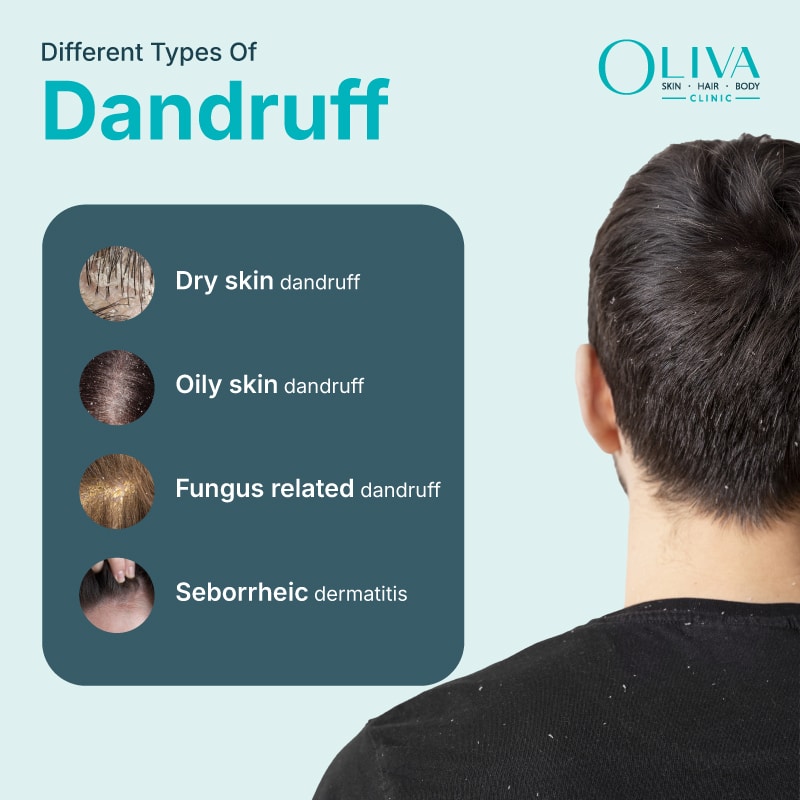
While all types of dandruff look similar, they are different. And each type has a different cause. Here are the different types of dandruff along with the causes:
-
Dry skin dandruff:
Often characterised as small white flakes, this type of dandruff is very common in the winter season.
What it looks like:
Small white flakes
Causes:
The cold wind from outside during winter, and the air from indoor heaters, also cause your scalp to dry out, leading to dry skin dandruff. Also, frequently washing your hair with hot water can cause this type of dandruff.
How to treat it:
Use a moisturising shampoo to prevent dry skin dandruff. You can also try home remedies like a coconut oil scalp massage. If the itchiness on your scalp becomes severe, that indicates a more serious skin condition than you think. You need a medical treatment to address this.
-
Oily skin dandruff:
Oily skin dandruff may be from a skin condition called seborrheic dermatitis.
What it looks like:
Oily yellowish flakes that often stick to your scalp.
Causes:
As the name suggests, oily skin dandruff is caused by the excess oil from the sebaceous glands of your scalp. Too much oil can clump together, irritate your scalp, and flake off. It is larger than dry skin dandruff, and makes your scalp itchy and oily.
How to treat it:
Wash your hair regularly using a dandruff shampoo containing salicylic acid [5] to control oil and dandruff.
-
Fungus-related dandruff:
This type of dandruff is from a fungus that is found on the skin of every human being.
What it looks like:
Large white flakes
Causes:
The main reason behind fungal dandruff is the yeast called malassezia that dwells on most people’s scalps and feeds on the natural oils. It triggers an inflammatory response, which results in the production of dandruff.
How to treat it:
Use a shampoo containing ingredients, such as zinc pyrithione, ketoconazole, and selenium sulfide, that target Malassezia fungus.
-
Seborrheic dermatitis:
This is a skin condition that affects your scalp, causing inflammation and dandruff. It is characterised by large yellow flakes. Seborrheic dermatitis-related dandruff is a severe form of oily scalp dandruff.
What it looks like:
Large yellow flakes
Causes:
Seborrheic dermatitis is a skin condition that makes your scalp greasy and causes red scaly patches. Excess oil production on your scalp can lead to stubborn dandruff.
How to treat it:
Use a shampoo containing ingredients like zinc pyrithione.
-
Eczema:
This is an inflammatory skin condition that can appear as dandruff.
What it looks like:
Flakes that are larger than dry skin dandruff flakes.
Causes:
Scalp eczema is mainly due to scalp inflammation, which can lead to skin flaking.
How to treat it :
Topical treatment prescribed by your dermatologist.
-
Psoriasis:
Similar to eczema, psoriasis is also an inflammatory skin condition that is mistaken for dandruff.
What it looks like:
Raised, discoloured plaques
Causes:
Most people with psoriasis tend to have scalp psoriasis. This autoimmune condition attacks your healthy skin cells and causes them to overproduce more cells. It affects all body parts, including your scalp, causing a buildup of skin cells that results in scaly patches.
How to treat it :
Use a shampoo containing ingredients like salicylic acid or zinc pyrithione.
How To Identify The Dandruff Type?
Identifying the type of dandruff is crucial to treating it. Here are some symptoms that will help you recognise which type of dandruff you are suffering from.
- If you notice white flakes falling on your shoulders and no oiliness on your scalp, it indicates that you have dry dandruff.
- If your scalp feels oily and you notice yellowish, greasy flakes sticking to your scalp, know that you have oily dandruff.
- If you have an itchy scalp accompanied by inflammation and redness, it is fungus-related dandruff.
- If you notice red skin, itching and yellow flakes on your scalp, it is dandruff caused by seborrheic dermatitis.
- The noticeable symptoms of scalp eczema are white, flaky, or itchy skin that sheds. Sometimes there is red, irritated skin.
- Common symptoms of scalp psoriasis include fine, powdery flakes with a silver sheen. It can also appear as raised, inflamed patches of skin covered in a silvery buildup of dead skin cells.
How To Get Rid Of Dandruff?
There are multiple ways to try to clear dandruff from your scalp. This is what you can do:
- You can use an anti-dandruff shampoo with active dandruff-fighting ingredients to remove flakes.
- You can try natural home remedies such as tea tree oil, coconut oil, apple cider vinegar, aloe vera, and others to help relieve scalp flakes.
- You can follow good hygiene practices to maintain your scalp’s health.
- You can seek a professional’s help for proper treatment to help you get rid of your dandruff.
What Can You Do To Treat Or Prevent Dandruff?
You can prevent dandruff by adopting a few prevention strategies. These include:
Dandruff Shampoos: Choose an anti-dandruff shampoo with the right ingredients. What works effectively for one might not work for the other. Be careful when choosing an anti-dandruff shampoo with ingredients that target specific types of dandruff and scalp conditions. Look for the ingredients like zinc pyrithione [6], coal tar [7], salicylic acid, selenium sulfide, and ketoconazole in your OTC shampoos.
Lifestyle Changes: Making certain lifestyle changes can help improve your scalp health and prevent dandruff. Practice stress management techniques to manage your stress levels, as they can worsen your existing skin conditions, like seborrheic dermatitis, eczema, and psoriasis. Make some changes to your diet, as well, by including foods containing essential and nourishing nutrients like zinc, B vitamins, omega-3 fatty acids, and probiotics.
Hair Care Routine: Incorporate a proper haircare routine using the right products and right ingredients. Shampoo regularly using lukewarm water. Avoid using hot water to wash your hair. Limit the usage of hair dyes that will irritate your scalp and increase the risk of developing dandruff.
When To Consult A Dermatologist?
If you are unsure of the type of dandruff you have and are unable to identify its cause, consult a dermatologist who can diagnose the underlying cause. You should never hesitate to see a doctor under the following conditions:
- If your dandruff is prevalent and it gets bothersome
- If you notice persistent redness or irritation on your scalp
- If you observe a rash on your scalp that doesn’t go away
- If you notice stubborn flakes with scaling
- If you experience extreme itchiness on your scalp
- If your flakes don’t clear up despite the consistent use of OTC shampoos

How To Prevent Dandruff?
You can prevent dandruff by adopting a few prevention strategies. These include choosing an anti-dandruff shampoo with the right ingredients, making lifestyle changes and incorporating a proper haircare routine.
Takeaway
Although dandruff may not be considered serious or contagious, it can cause embarrassment when white flakes fall onto our shoulders. With different types of dandruff and several triggers, it is crucial to identify the exact cause for an effective solution. We have expert dermatologists who will diagnose your condition, determine the underlying cause, and recommend a treatment plan tailored to your scalp needs. Schedule an appointment with our specialist today!
Frequently Asked Questions On Types Of Dandruff
There are two main types of dandruff: dry and oily dandruff. While dry dandruff appears as small, white, flaky scales, oily dandruff looks yellowish and greasy, and often sticks to your scalp or hair.
Dandruff caused by seborrheic dermatitis is more severe, as it can lead to itching, redness, and scalp inflammation.
People with oily scalp or hair are more prone to dandruff due to excess sebum production and fungal growth on the scalp.
Mild dandruff may go away temporarily. However, it often comes back if you do not take proper scalp care or treatment.
Washing hair regularly or even daily with a gentle anti-dandruff shampoo can help reduce flakes and scalp oil in many individuals. But the ideal frequency may vary for each person, depending on their hair and scalp type.