
 Laser Hair Reduction
 Hair Re-Growth
 Acne / Scar
 Skin Rejuvenation
 Insta Glow Solutions
 Pigmentation
 Anti-Aging
 More
More Body
Body
 Facts Checked
Types of Face Serums, Benefits and Their Uses


In This Article
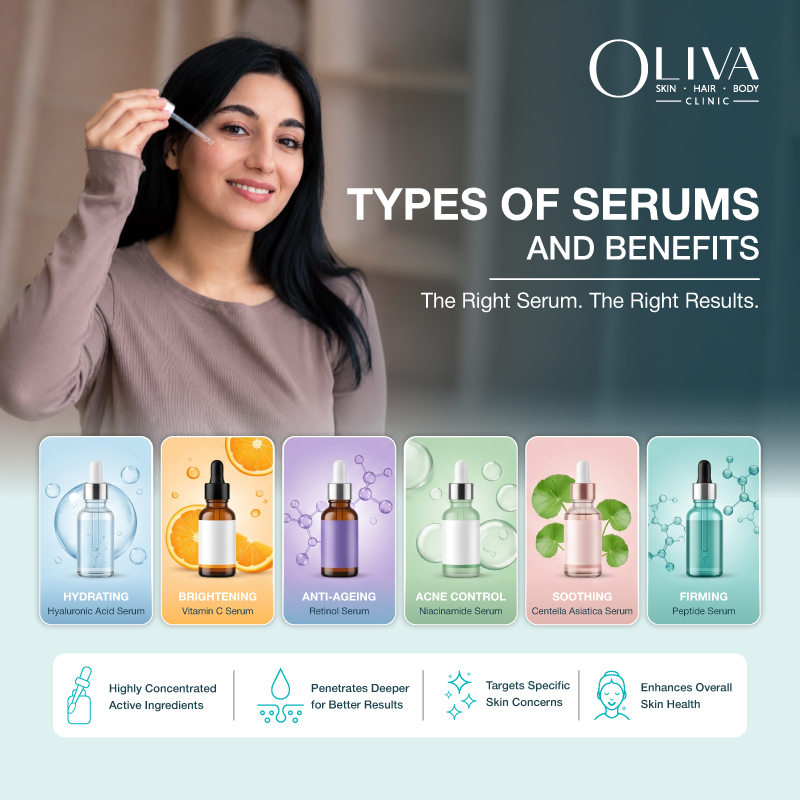
Want to step up your skincare routine? Have you heard about face serums? Yes, face serums are your go-to essentials to include in your skincare regimen to elevate your game. Specially formulated with active ingredients to address specific skin concerns, face serums are lightweight treatments with multiple benefits. If you have not used a face serum before or are a beginner planning to get started with one, this article is for you. In this comprehensive guide, we will explore the different types of serums for face and their benefits.
Additionally, we will also learn how to pick the best serum for your skin type and the right method of application. Before that, let us understand what a serum is and why it is important to use it. Let’s dive in.
What Is a Serum and Why Should You Use It?
A face serum is a lightweight, quick-absorbing skincare liquid containing a high concentration of active ingredients like hyaluronic acid, vitamins A, C, E, retinol, niacinamide and others. These face serums typically come in water-based or oil-based formulations that penetrate to the deeper layers of the skin to deliver the essential nutrients directly to the cells. Incorporating a face serum into your daily skincare routine addresses your skin’s different needs. These include maintaining your skin’s moisture balance, brightening your complexion, reducing fine lines and wrinkles, controlling acne, offering deep hydration and fading dark spots. Now that you know why you should use a face serum, let us learn about the different types in the next section.
What Are The Different Types Of Serums And Their Benefits?
Face serums can be categorised into several types based on the specific skin issues they address. Here are the most popular types of face serums along with their benefits:
Vitamin C Serum: Vitamin C serum for face is a brightening serum packed with a powerful antioxidant called vitamin C. This potent antioxidant [1] tackles oxidative stress and protects the skin from environmental stressors like pollution and UV rays. Vitamin C serum benefits your skin by helping fade acne marks and dark spots, boosting collagen production, improving skin texture and giving you a healthy and radiant glow.
Hyaluronic Acid Serum: A hyaluronic acid serum for the face is a hydrating serum with a water-based formulation. It contains a humectant [2] called hyaluronic acid, which your body naturally produces. Hyaluronic acid serum is known to offer intense hydration to your skin. Other benefits of this serum are that it helps retain your skin’s moisture, keeps your skin plump, reduces fine lines and gives you a dewy and glowing complexion. Being very lightweight in nature, it is suitable for all skin types, including oily skin.
Retinol Serum: Retinol is a powerful skincare ingredient known for its anti-ageing [3] properties. Retinol serum for face helps reduce signs of ageing like fine lines and wrinkles, boosts collagen production and increases cell turnover. Besides offering these benefits, retinol also helps with acne treatment and improves your skin texture by preventing the buildup of dead skin cells and clogged pores.
Niacinamide Serum: A derivative of vitamin B3, niacinamide is a powerful skincare ingredient known to repair your skin barrier [4] and improve its function. Niacinamide serum for the face offers multiple benefits, like helping with acne management, reducing redness and inflammation, minimising the appearance of fine lines, and fading hyperpigmentation.
Peptide Serum: A peptide serum is an anti-ageing serum, just like a retinol serum. Peptides [5] are small chains of amino acids that signal your skin cells to produce more collagen and elastin. The key benefits of a peptide serum are that they help soften fine lines and reduce dynamic wrinkles, support your skin’s firmness and elasticity and strengthen your skin’s natural barrier function.
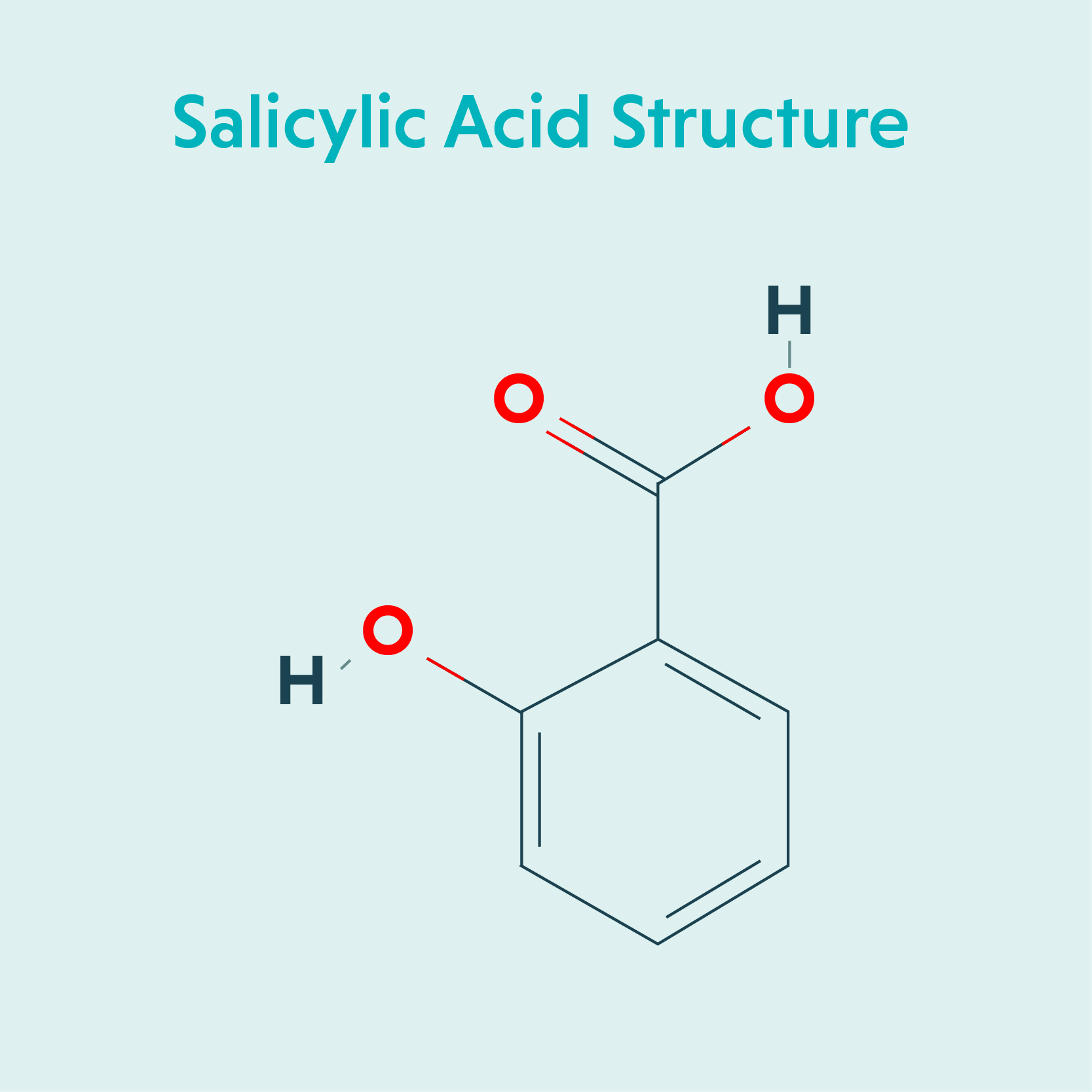
Salicylic Acid Serum: Do you have acne-prone skin? A salicylic acid serum is just perfect for you. Known for its ability to control oil production [6] and unclog pores by removing excess oil and dead skin cells, salicylic acid serum helps clear existing acne and prevents future breakouts. It also contains natural anti-inflammatory and soothing properties that help reduce redness and irritation associated with acne. Besides, it improves your skin texture and tone by helping fade post-acne marks and dark spots.
Brightening Serum: If you want to reduce dark spots, combat dullness and achieve a radiant skin, a brightening serum is all you need in your glowing skin routine. Made with powerful ingredients like vitamin C, thiamidol and alpha arbutin, a brightening serum for the face helps brighten your skin. It works by inhibiting tyrosinase, an enzyme responsible for controlling melanin production, and gives you a radiant complexion.
Anti-Ageing Serum: Do you want to reduce visible signs of ageing like fine lines and wrinkles, and revitalise your skin for a youthful glow? An anti-ageing serum is the go-to serum you should include in your skincare routine to achieve firm skin. This tightening serum contains high concentrations of active ingredients like retinol, peptides, and antioxidants, which are specifically formulated to target specific signs of premature ageing.
Hydrating Serum: If you have dry skin or dehydrated skin, you need a hydrating serum that nourishes your skin from the outside and also its deeper layers. It contains powerful hydrating ingredients like hyaluronic acid, glycerin and panthenol, which offer intense hydration to the skin and give you a plumper look. A hydrating serum helps improve your skin texture and strengthen your skin’s moisture barrier.
AHA Serum: If you are looking for a chemical exfoliant that safely removes dead skin cells, an AHA [7] (Alpha Hydroxy Acids) serum is all you need. This retexturing serum offers gentle exfoliation, improves your skin tone and texture, minimises pore size, reduces hyperpigmentation and promotes skin cell turnover and collagen production. Some of the common types of AHAs found in the serums are: glycolic acid, lactic acid and citric acid.
BHA Serum: If you are looking for a chemical exfoliant for oily and acne-prone skin, then BHA [8] (Beta Hydroxy Acids) serum might be all you need. A BHA serum penetrates deep into the pores and offers deep pore cleansing. Moreover, it helps with acne reduction by fighting acne-causing bacteria and soothing redness and inflammation caused by acne. It also helps with overall texture improvement and fades PIH.
Collagen Serum: If you are planning to use collagen to help you maintain youthful skin, you might have come across a collagen serum. As many presume, collagen serums do not contain natural collagen in them. They are collagen-boosting serums containing ingredients which promote your body’s natural collagen production. Applying a collagen serum to your face helps reduce the appearance of fine lines and wrinkles, restore elasticity, retain moisture and brighten your skin tone.
Kojic Acid Serum: Kojic acid [9] serum is an effective treatment for hyperpigmentation that brightens your skin and gives an even skin tone. It works by blocking tyrosinase and slowing down the melanin production. Kojic acid serum reduces dark spots, hyperpigmentation, post-inflammatory marks, and sun tan. It also helps fade blemishes caused by sun damage, age spots, and acne.
SPF Serum: An SPF serum is nothing but a broad-spectrum sunscreen [10] formulation that offers protection from both UVA and UVB rays. It comes with the properties of sunscreen combined with nourishing effects. That said, you get UV protection and ultimate nourishment and hydration for your skin. Since SPF serum is water or gel-based, it is ideal for daily wear.
How To Choose The Right Serum For Your Skin?
While face serums help you achieve clear, glowing and healthy skin, the key lies in choosing the right product. It is important to choose the right serum for your skin type before you start using it.
- Start by recognising your skin type and then choose a face serum suitable for your skin type.
- Identify the specific skin concerns you have. There are targeted serums that will help address these concerns effectively.
- Be mindful of the ingredients, as they might not be compatible with each other. So, use only those ingredients that go well together and do not cause adverse reactions.
- Some serums are best for morning use, while others are ideal for night use. Choose serums as per your AM and PM routine.
- Check for the consistency of the serum (oil, gel, water) that sits well on your skin and complements your overall routine.
How To Use a Face Serum Correctly?
You should know how to use the face serum the right way to maximise its benefits. Here are some steps to help you use it correctly:
Cleanser: Always start your skincare routine with cleansing. Use a gentle cleanser to wash your face and remove dirt, oil, sweat and makeup.
Toner: In the second step, use a toner to remove any residue while balancing your skin’s pH levels.
Serum: The third step of your skincare routine is using a serum. Take a few drops of the serum and gently pat it onto your skin for absorption. Allow some time to let the serum sink in before you go to the next step.
Moisturiser: After your serum is fully absorbed, it is time to use a moisturiser. Select one that is suitable for your skin type and apply it to your face to lock in the nourishing benefits.
Sunscreen: Always use a sunscreen as the last step of your skincare routine and under your makeup. Reapply it every 2-3 hours to protect your skin from UV rays.
Which Serum Is Best For Your Skin Type?
Here are some tips to select the best serum for your skin type based on your specific needs:
Dry Skin: Dry skin needs hydration. Choose a hydrating hyaluronic acid serum that deeply nourishes your skin.
Oily Skin: If you have oily and acne-prone skin, you need ingredients that help control excess sebum production. Opt for lightweight and non-comedogenic serums containing ingredients like salicylic acid or niacinamide.
Sensitive Skin: If you have sensitive skin, you need a serum that is fragrance-free and hypoallergenic. The best ingredients to look for in a serum for sensitive skin are panthenol.
Combination Skin: For combination skin type, use different serums on different areas of your skin. For the T-zone, use a niacinamide serum and for the rest of your face, vitamin C or hyaluronic acid serum.
Ageing Skin: For ageing or dull skin, opt for serums containing retinol, vitamin C and peptides.
What Are Some Common Misconceptions About Face Serums?
Although face serums have been popular, there are certain misconceptions circulating. Here are some common myths concerning face serums and the actual truth:
Myth 1: Serums are only for premature ageing
Fact: While there are serums for anti-ageing that help with reducing the appearance of fine lines and wrinkles, they are not the only ones. Serums come in different types to target specific skin concerns. There are serums to reduce hyperpigmentation, acne and acne scars, boost collagen, clear clogged pores, improve skin texture and give a healthy glow.
Myth 2: Serums are a replacement for moisturisers
Fact: Most people often think that serums can be used in place of moisturisers. It is not true. Serums do not replace moisturisers in your skincare routine. While serums provide hydration, they do not do it enough. You need moisturisers to lock in the moisture, nourish your skin, and strengthen your skin barrier.
Myth 3: You should always apply a serum in larger amounts to get the best results
Fact: It is not true. When it comes to face serums, they are highly concentrated, so a little goes a long way. That said, you need to apply in smaller quantities yet get the results.
Myth 4: Serums are suitable only for dry skin and not oily skin
Fact: This is a common misconception that using serums for oily skin will make it worse. They are suitable only for people with dry skin. There is no truth in that. Serums come in different formulations (lightweight and oil-free) based on skin types and concerns. Serums containing ingredients like niacinamide or salicylic acid are specifically designed for oily and acne-prone skin types. They are not only lightweight but also help control excess sebum, do not clog the pores and clear the skin.
When to Seek Professional Advice?
If you are unsure about which serum to use, it is advisable to speak to a professional rather than choosing a random product. Also, if you have persistent skin concerns, you need beyond over-the-counter products. Advanced targeted treatment can help address your skin concerns, giving you the best results that products fail to. If you are looking for the best dermatologist who can treat your condition, Oliva Clinics is your go-to place. They have expert dermatologists specialised in offering customised solutions for your unique skin concerns. They will thoroughly analyse your condition before recommending any treatment. Schedule a consultation with an expert at your nearest Oliva Clinics now!
Takeaway
Face serums are an important part of your skincare routine that will help you achieve a clearer skin, a radiant glow and a bright complexion. Face serums come in different types and formulations based on your skin concerns. Whether you are looking to reduce your acne, control excess oil on your face, fade dark spots, enhance your skin texture, or minimise signs of ageing, there is one for everyone. All you have to do is choose the right serum for your skin type and concern. If you are struggling with what to choose and where to start, do not worry! The expert dermatologists at Oliva help you curate a personalised skincare routine that works just right for you.
FAQs About Types of Face Serums
Yes. You can use multiple serums together, provided the ingredients are compatible with each other and are suited to your skin concerns.
Yes. You should always apply a serum before moisturiser and after a toner. This step helps the active ingredients penetrate the skin effectively.
Dermatologists usually recommend serum containing ingredients like Vitamin C, niacinamide, and alpha arbutin to achieve a brighter and more even-toned skin.
Yes, most face serums available are designed for daily use. However, the usage frequency may vary depending on the active ingredients the serum contains and also your skin type.
Some serums may cause minor side effects, especially when trying for the first time. These include temporary redness, irritation, dryness, or breakouts.
Serums are available for AM and PM routines. When to apply a serum totally depends on the serum you are using. For example, Vitamin C is commonly used in the AM routine, while retinol-based serums are for the PM routine.
Read This Next