
 Laser Hair Reduction
 Hair Re-Growth
 Acne/ Scar
 Skin Rejuvenation
 InstaGlow Solutions
 Pigmentation
 Anti-Aging
 More
More Body
BodyBest Hair Transplant In Bangalore: Cost, Benefits & Results

4.9
Google Rating
108404+
Procedures Done
Hair loss and hair thinning are common concerns for both men and women in Bangalore, which often progresses to visible balding when left unaddressed. A hair transplant is the most effective, permanent solution for hair restoration. If you are looking for the best hair transplant in Bangalore, Oliva Clinics provides personalised hair restoration treatments performed by experienced hair transplant surgeons. Advanced techniques such as DHI (Direct Hair Implantation), where they extract and implant follicles with precision. Our hair transplant surgeons design the hairline according your unique facial features, existing hair density, and donor area. They perform the procedure in an advanced OT setup under strict hygiene, safety, and surgical protocols, delivering the most natural-looking results. Keep reading to know more about what a hair transplant is, who it is suitable for, and why Oliva is a trusted choice for hair transplant in Bangalore.

 Limited Period Offer

Book Appointment Now
 5 Minutes Call Back. Guaranteed!
Book Your Appointment Today
Limited Period Offer
Why Choose Oliva Clinics For Hair Transplant In Bangalore?
Oliva has been the trusted brand for offering advanced medico-aesthetic services and treatments related to hair and body concerns for the past 15 years.
Here are the top reasons why Oliva stands as the primary choice for hair transplant:
- Experienced Hair Transplant Surgeons: At Oliva, only highly qualified surgeons perform every hair transplant procedure to ensure precision, safety, and long-lasting results.
- Advanced Techniques: We specialise in offering the globally recognised hair transplant method DHI (Direct Hair Implantation), which provides a natural-looking hairline with minimal scarring and faster recovery.
- US FDA Technology: All our Oliva clinics in Bangalore are equipped with state-of-the-art infrastructure, advanced surgical facilities, and USFDA-approved technology to provide safe and effective hair transplants.
- Customised Treatment Plans: At Oliva, all treatments are customised based on the client’s unique requirements. Our surgeons thoroughly evaluate each client’s scalp condition and hair type and understand their goals. Accordingly, we design a personalised plan that guarantees natural-looking results.
- High Client Satisfaction: Thousands of clients across Bangalore have chosen Oliva for hair transplant treatment at our 8 clinics. With a 97% client satisfaction rate based on post-treatment follow-up surveys, we remain committed to delivering personalised care, clinical expertise, and a positive treatment experience at every stage.
- Transparent Pricing: Oliva is known for ethical practices and providing premium care at competitive prices. We offer transparent pricing for every treatment with no hidden charges.
What Is A Hair Transplant?
A hair transplant is a surgical hair restoration procedure in which a surgeon extracts healthy, DHT-resistant (DHT is the hormone responsible for hair loss) hair follicles from the back or sides of the scalp and transplants them into thinning or balding areas. Once transplanted, these follicles continue to grow naturally and provide long-lasting hair restoration.
The hair transplant surgeon performs the procedure under local anaesthesia. It requires minimal downtime with no visible scarring. A few weeks after the procedure, you will notice that your hair starts to shed, which is a normal part of the process, before it naturally regrows in the months to follow.
At Oliva Clinics, Bangalore, every treatment plan is customised based on the individual’s unique stage of hair loss, scalp condition, and donor hair density. Advanced techniques such as Direct Hair Implantation (DHI) are selected based on these factors to ensure precise follicle placement and natural-looking results.
Who Is An Ideal Candidate For Hair Transplant?
An ideal candidate for hair transplant is someone over the age of 25-30, has stable, permanent hair loss (Norwood stage 3–5 in men or Ludwig stage 2–3 in women) and a healthy donor area that has sufficient hair density to transplant. A hair transplant surgeon confirms eligibility after a thorough scalp evaluation.
- Individuals with stable pattern baldness, where hair loss has come to a standstill and is not actively progressing.
- People with a healthy, dense donor area at the back or sides of the scalp, since transplant results depend on available donor hair.
- Adults generally above 25 years of age, as the hair loss pattern is more predictable and less likely to change significantly.
- People with realistic expectations about density, coverage, and the gradual nature of regrowth.
- Those in good general health, without conditions that could affect healing or surgical safety.
Benefits Of Hair Transplant
A hair transplant offers permanent, natural-looking hair regrowth. Transplanted follicles remain resistant to DHT and continue growing for life, unlike temporary solutions like topical treatments or hairpieces. It is a one-time procedure that delivers lasting results without ongoing maintenance.


DHI Hair Transplant in Bangalore at Oliva Clinics
At Oliva Clinics, we specialise in DHI (Direct Hair Implantation), an advanced hair transplant technique designed to provide precise control over follicle placement and give you natural-looking results. Surgeons use a specialised implanter pen to place individual hair follicles with precise control over their angle, depth and direction.
Why Oliva Bangalore Recommends DHI:
- Careful Follicle Handling: Minimises unnecessary time and handling of follicles during implantation.
- No Shaving Required In Most Cases: May be suitable for clients looking for a more discreet procedure.
- Greater Precision: Surgeon-controlled implantation helps achieve natural hair direction and density.
- Minimally Invasive Implantation: Uses a specialised implanter pen for controlled follicle placement.
- Personalised Results: Graft placement and density are planned according to your hair loss pattern, donor area, and desired hairline.
Every DHI procedure at Oliva is performed end-to-end by an experienced hair transplant surgeon, ensuring the precision this technique demands so you achieve the desired hairline.
Hair Transplant In Bangalore Procedure At Oliva
Oliva Clinics’ hair transplant procedure in Bangalore follows three phases
Pre-Treatment

The process begins with a comprehensive analysis of your scalp, thinning and bald areas, hair loss pattern, scalp health, condition severity, and genetic history. The surgeon then identifies and examines your donor area. Following this, they discuss your requirements, hair regrowth goals, and expectations, including your desired hairline, and provide an honest review of the results you can expect.
After the consultation, the medical team shaves your head and marks the hairline, along with grids on both the donor and recipient areas to facilitate precise extraction and implantation of hair follicles. Photographs are taken at this stage to monitor your progress through the treatment.
During Treatment
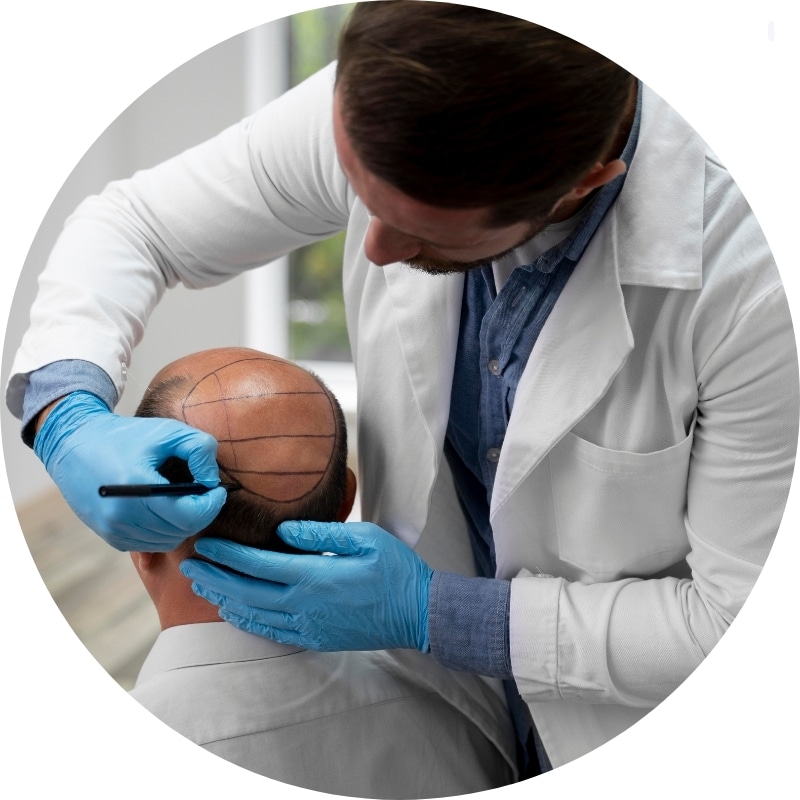
The actual procedure takes place in two stages: extraction and implantation. The surgeon first administers anaesthesia to the donor area before extracting hair follicles. Once the grafts are harvested, anaesthesia is applied to the recipient area, and the follicles are implanted directly. This process is repeated grid by grid across both the donor and recipient regions, ensuring maximum comfort and a pain-free procedure throughout.
Post-Treatment

After the procedure, the surgeon cleanses your scalp and applies dressing, along with a set of post-care instructions. This includes avoiding washing or shampooing your hair for at least three days, sleeping with your head elevated, and avoiding sun exposure, among other precautions. The first week after the procedure is crucial, and following these guidelines closely is key to achieving the best results.
Hair Transplant Cost in Bangalore
The hair transplant cost in Bangalore typically ranges from ₹1,00,000 to ₹4,00,000. The final cost varies from person to person and depends on factors such as the extent of hair loss, number of follicles required, treatment technique, and complexity of the procedure. Per-follicle pricing may generally range from ₹59 to ₹70, depending on the treatment plan.
The number of follicles required is one of the key factors influencing the overall hair transplant cost. During your consultation, the hair transplant surgeon evaluates your hair loss pattern, stage of baldness, donor hair density, scalp condition, and desired coverage to determine the approximate number of follicles needed.
NOTE:
The cost mentioned here is indicative only. For the actual cost of your hair transplantation treatment, book an appointment with us.
Factors Influencing Hair Transplant Cost in Bangalore
- Technique Used: FUE, DHI, and other advanced methods are priced differently, with more advanced techniques generally costing more per graft.
- Number Of Follicles: The extent of hair loss directly determines how many follicles are needed, which is the biggest driver of overall cost.
- Surgeon And Clinic Expertise: Experienced, board-certified surgeons and accredited clinics with advanced tools, sterile and well equipped OT facilities typically price higher, reflecting follicle survival rates, precision, and ensuring safety and better outcomes.
- Post-Procedure Care: Programs that include follow-up consultations, medication, and supportive treatments like PRP cost more than a procedure-only package.
At Oliva Clinics, hair transplant cost in Bangalore is determined after a detailed scalp evaluation and consultation, with complete cost transparency and no hidden charges.
Book a consultation to get your exact hair transplant cost in Bangalore.
Before & After Results of Hair Transplant
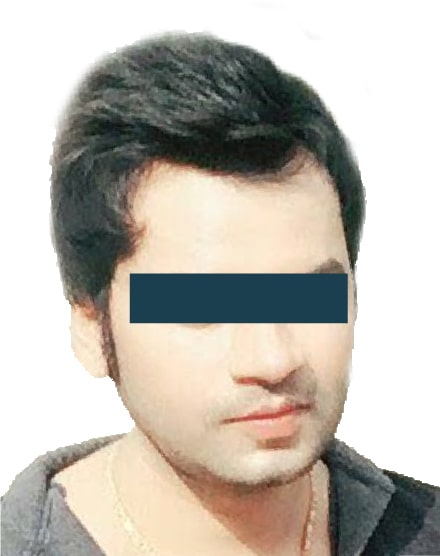
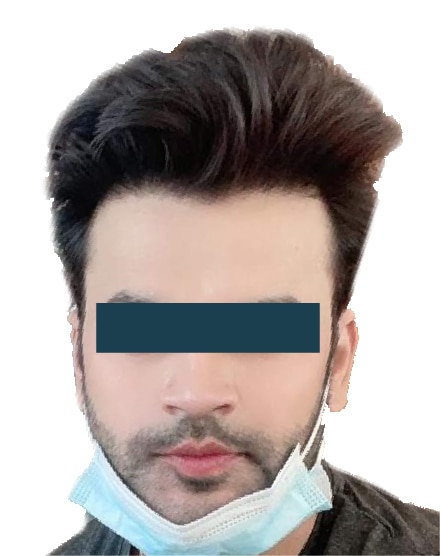
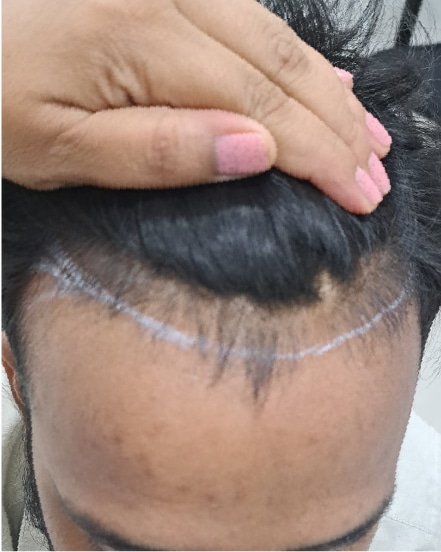
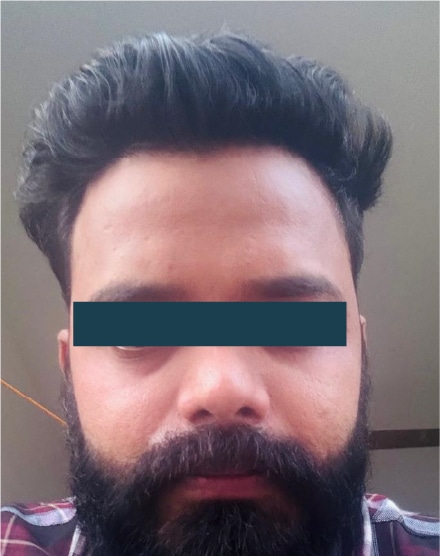
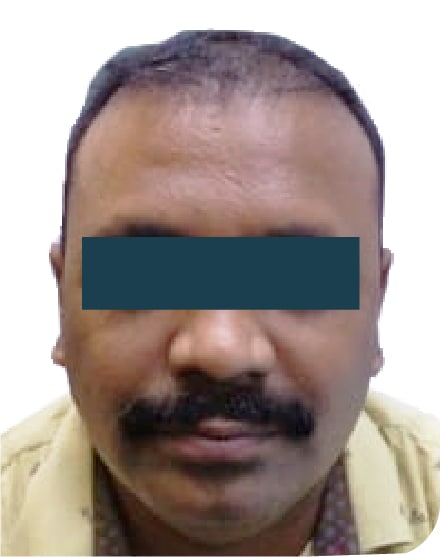
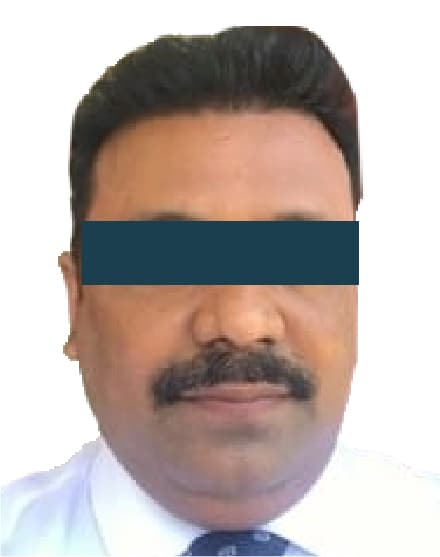
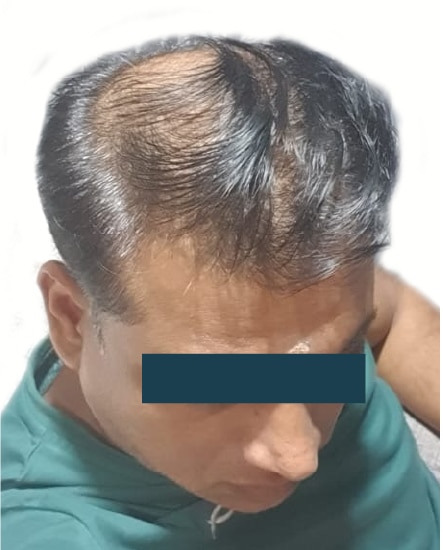
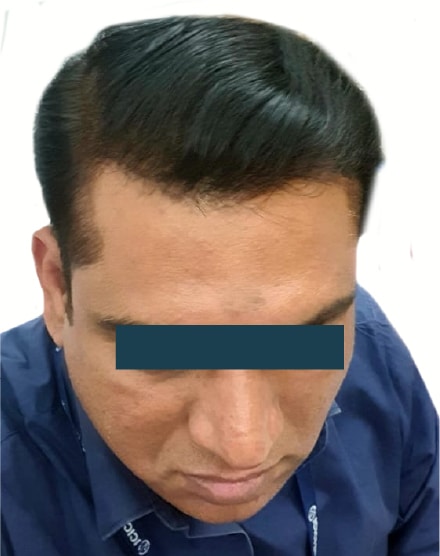
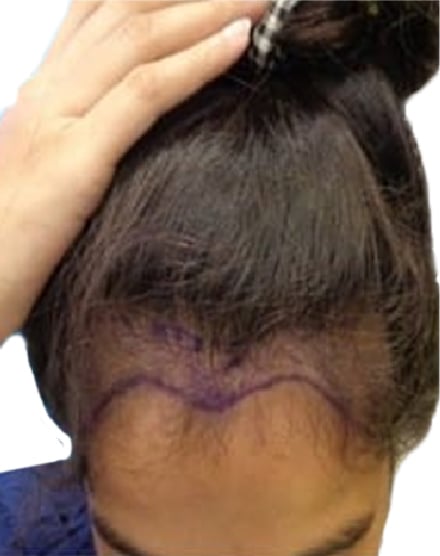
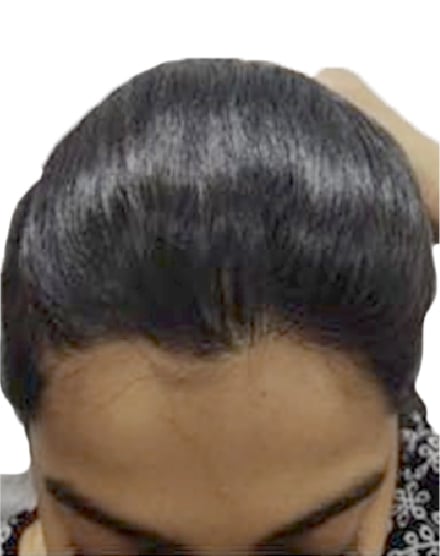
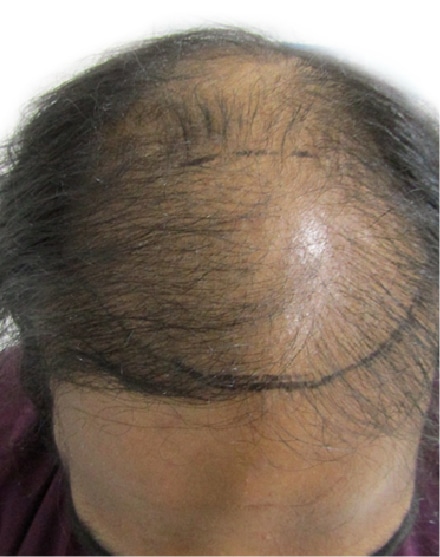
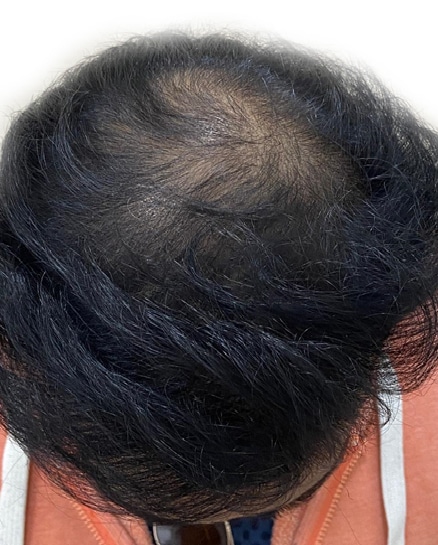
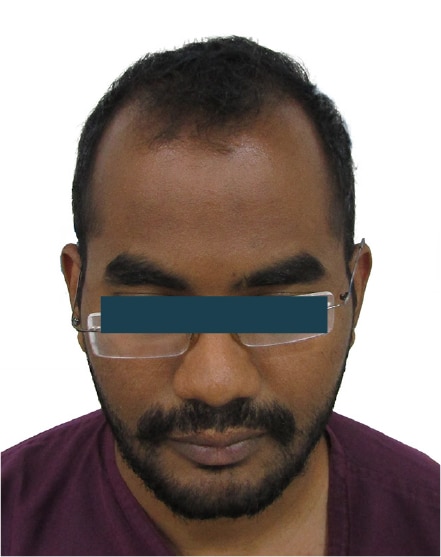
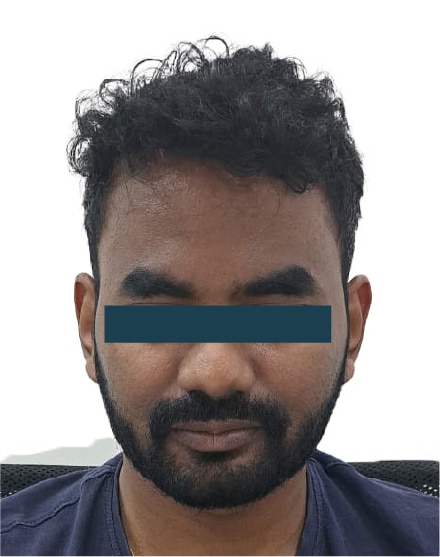
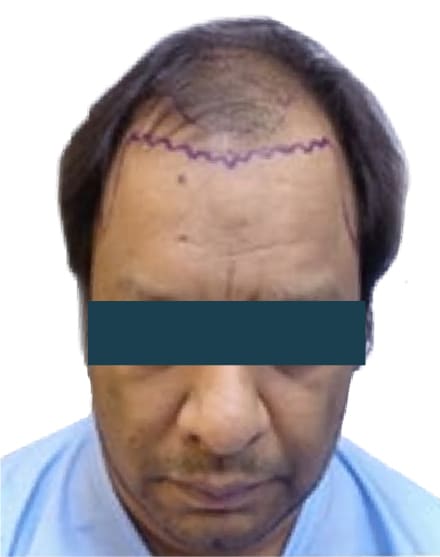
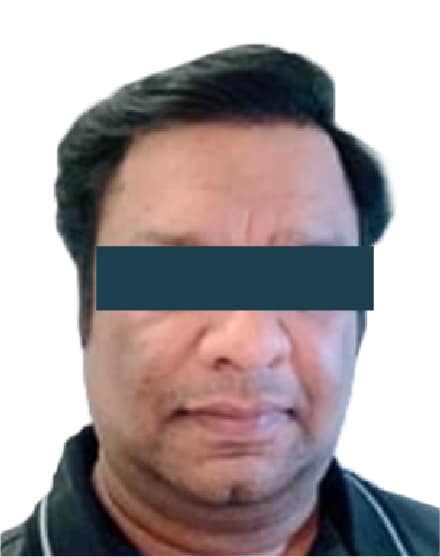
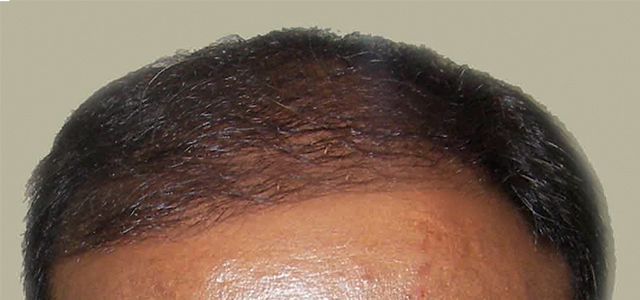
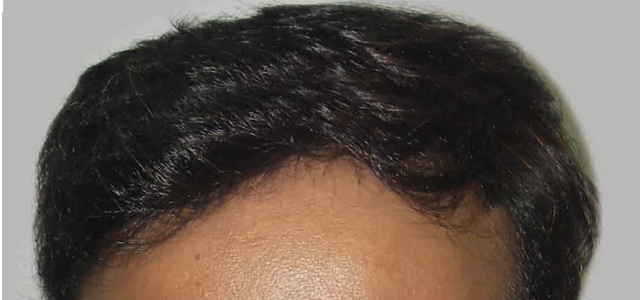
These before and after images show real results from Oliva Clinics' hair transplant clients, highlighting natural hairline restoration and improved hair density using the DHI technique.
 Before
 After
After
Client Name : Vikram Patel
Client ID: AW93X4721
 Before
 After
After
Client Name : Suresh Kumar
Client ID: KM03B6742
 Before
 After
After
Client Name : Ravi Menon
Client ID: HS48P9310
 Before
 After
After
Client Name : Rajesh Nair
Client ID: AW16Z2498
 Before
 After
After
Client Name : Priya Shah
Client ID: KM84T1290
 Before
 After
After
Client Name : Anil Reddy
Client ID: HS19Z6048
 Before
 After
After
Client Name : Rohit Bansal
Client ID: AN64T9087
 Before
 After
After
Client Name : Amit Verma
Client ID: CG92L6701
 Before
 After
After
Client Name : Bharath Kumar
Client ID: HS07T5823
*Images are from real clients, and results can be subjective
Hair Transplant Recovery Timeline
Hair transplant recovery typically takes 7 to 10 days for initial healing, with visible new hair growth beginning around 3 to 4 months and full results appearing by 9 to 12 months. Recovery happens gradually, with different milestones at each stage.
| Phase | Timeline | What to Expect |
|---|---|---|
| Immediate Post-Procedure | Days 1–3 | Mild swelling, redness, and scalp sensitivity in both donor and transplanted areas. |
| Early Recovery | Days 4–10 | Scabbing forms and heals; most people resume light daily activities and desk work. |
| Shedding Phase | Weeks 3–6 | Transplanted hair sheds — a normal, expected part of the process before regrowth begins. |
| Regrowth Begins | Months 3–4 | New hair growth starts to appear from transplanted follicles. |
| Visible Improvement | Months 6–9 | Hair becomes thicker and more noticeable as growth matures |
| Final Results | Months 9–12 | Full density and natural texture become visible as hair completes its growth cycle |
This table is only a generic timeline. Recovery pace varies by individual, depending on factors like scalp healing, aftercare routine, and overall health. Following post-procedure guidelines helps ensure the best possible results.
FUE vs DHI – Which Hair Transplant Technique Is Better?
DHI (Direct Hair Implantation) is a more advanced technique compared to FUE, in which the surgeon uses a specialised implanter pen to precisely extract and place every follicle. This helps gain greater control over the angle, direction, and density, providing a perfectly natural hairline.
| DHI | FUE | |
|---|---|---|
| Technique | Follicles are implanted directly using a specialised pen, combining extraction and placement with precise control. | Grafts are extracted, then manually implanted into separately created recipient sites. |
| Precision | Higher control over angle, depth, and direction — ideal for a natural hairline. | Effective, but implantation control is comparatively less refined. |
| Graft handling time | Minimal time outside the body, reducing graft exposure and supporting stronger survival. | Grafts may spend longer outside the body before placement. |
| Scarring & trauma | Minimally invasive with reduced trauma to the scalp. | Minimal scarring, though slightly more handling is involved. |
| Best suited for | Precise hairline design, natural density, and detailed aesthetic outcomes. | Larger, more extensive coverage areas. |
Hair Transplant Clinics In Bangalore


First Floor, SY No 162, Neeladri Rd, above State Bank Of India, Karuna Nagar, Electronics City Phase 1, Doddathoguru, Bengaluru, Karnataka 560100


Monday-Sunday 10AM – 8PM

900 Consultation Fees
 Get Direction
Oliva Skin, Hair & Body Clinic, 1st Block, Plot No # 406, 7th Main, Hennur, Road, Banaswadi, Bengaluru, Karnataka 560043
Monday-Sunday 10AM – 8PM
900 Consultation Fees
Oliva Skin, Hair & Body Clinic, First Floor, No.810, 27th Main Rd, 1st Sector, HSR Layout, Bengaluru, Karnataka 560102
Monday-Sunday 10AM – 8PM
900 Consultation Fees
1st Floor, "Salarpuria House", Bearing No 496, 1st stage Extention, Chinmaya Mission Hospital Rd, Bengaluru, Karnataka 560038
Monday-Sunday 10AM – 8PM
900 Consultation Fees
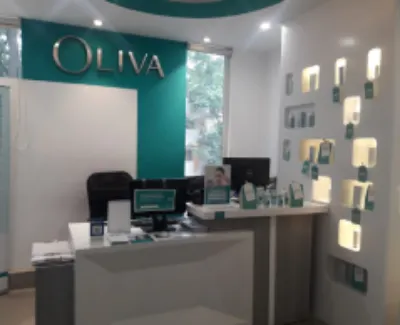
Oliva Skin, Hair & Body Clinic, 1st floor, No #641, Opp. Raghavendra Mutt, 11th Main, 47th Cross Rd, 5th Block, Jayanagar, Bengaluru, Karnataka 560041
Monday-Sunday 10AM – 8PM
900 Consultation Fees
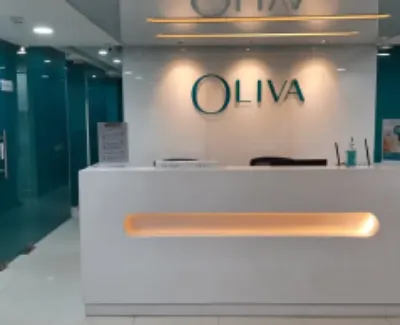
Oliva Skin, Hair & Body Clinic, 1st Floor, Prestige Pinnacle, Ganapathi Temple Rd, opposite Raheja Arcade, 7th Block, Koramangala, Bengaluru, Karnataka 560095
Monday-Sunday 10AM – 8PM
900 Consultation Fees
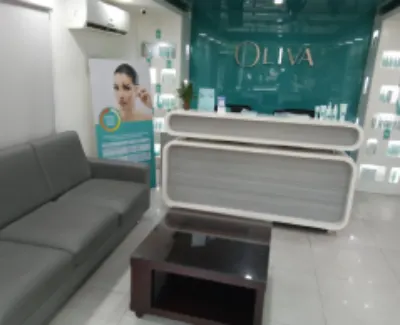
Oliva Skin, Hair & Body Clinic, Bashyam Circle, Opp: Apollo, 31, 2nd Main Rd, Vyalikaval, Sadashiva Nagar, Malleshwaram, Bengaluru, Karnataka 560003
Monday-Sunday 10AM – 8PM
900 Consultation Fees
Oliva Skin, Hair & Body Clinic, NO.12/2, Arya Hub Mall, Shop No 5, A & A1, ITPL Main Rd, Prasanth Extension, Whitefield, Bengaluru, Karnataka 560066
Monday-Sunday 10AM – 8PM
900 Consultation Fees
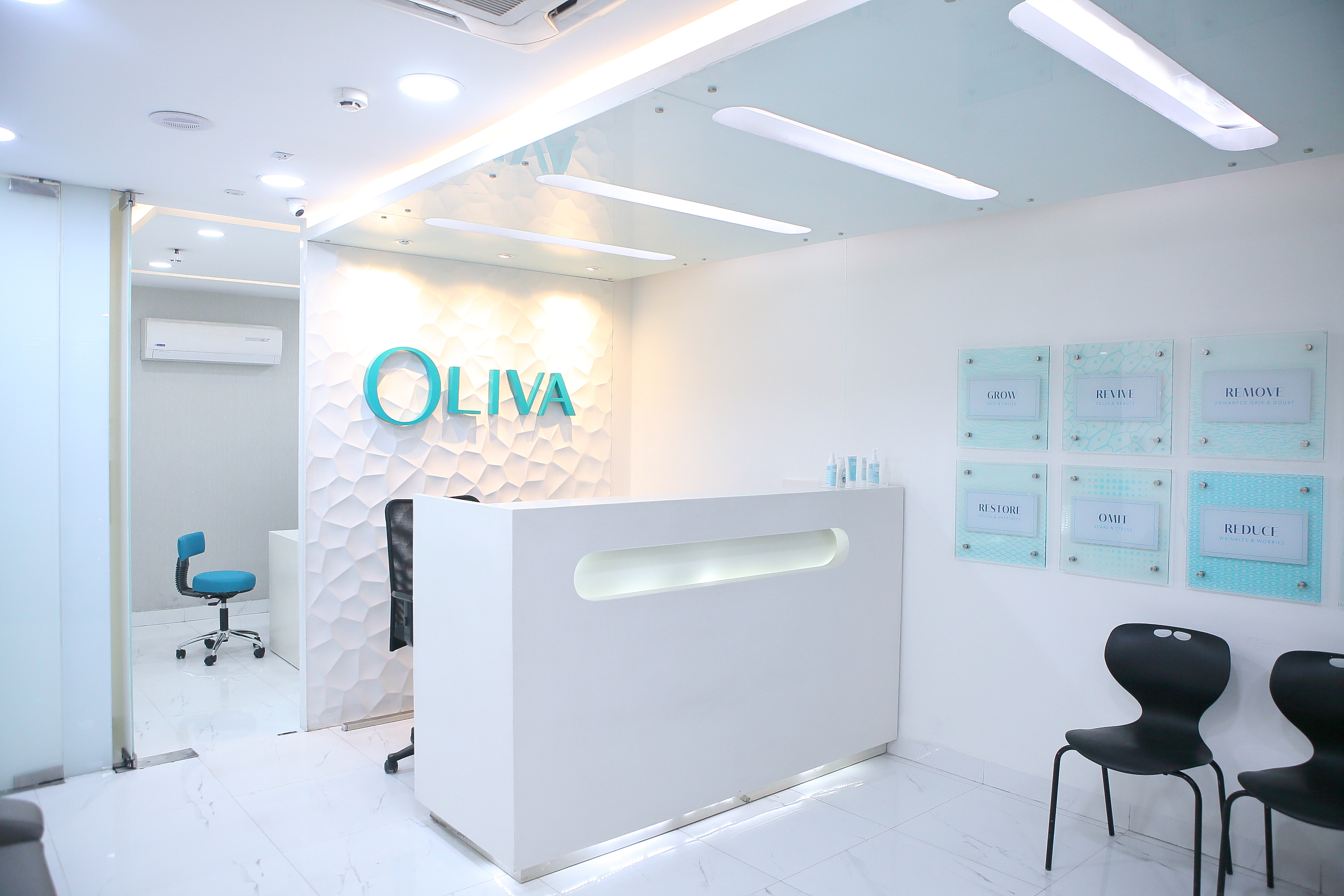
1st Floor, HIG 2040, 1st A Main Rd, opposite State Bank Of India, Yelahanka Satellite Town, Yelahanka New Town, Bengaluru, Karnataka 560064
Monday-Sunday 10AM – 8PM
900 Consultation Fees
Frequently Asked Questions
Oliva Clinics is a trusted choice for hair transplant in Bangalore located in Indira Nagar, Jaya Nagar, Sadashiv Nagar, HSR Layout, HRBR, Whitefield, Yelahanka, Electronic City, and Koramangala. You can consult experienced hair transplant surgeons at a convenient location and receive personalised guidance based on your hair loss pattern, donor hair availability, graft requirements, and desired hairline.
Yes, transplanted hair is permanent since the follicles remain resistant to DHT, the hormone that causes hair loss. Post-healing, hair continues to grow naturally for life.
On average, hair transplant procedures take 4-8 hours, but this varies depending on the required number of grafts and the area that needs to be transplanted.
The number of grafts depends on your hair loss stage, scalp area to be covered, and your desired hair density. This can range from a few hundred to a few thousand. A hair transplant surgeon determines this during the initial scalp evaluation.
The recovery time usually ranges from 7-10 days, where most people resume their routine in a week. Complete healing of the scalp can take a few weeks.
New hair growth typically begins around 3 to 4 months after the procedure, with visible improvement by 6 months. Full results are usually seen around 9-12 months.
Yes, surgeons performing modern techniques like DHI place individual follicles to match the client’s natural hair direction and density, giving natural-looking results.
Transplanted hair sheds a few weeks after the procedure, which is a normal part of the process. The follicles then regrow permanently over the following months.
Most people can return to work within 3 to 5 days, depending on the nature of their job and how visible the treated area is.
Surgeons advise waiting at least a week before engaging in physical activity. Avoid strenuous exercise and heavy sweating for about 2 to 4 weeks to protect healing grafts.
It is best to avoid wearing a helmet for at least 4 weeks, as pressure and friction on the scalp can damage healing grafts.
While surgeons suggest that short travel is fine after a few days, it is best to avoid long flights for at least 2 weeks to prevent swelling or strain of the scalp.
It is best to avoid hair colouring for at least 2 months, so the scalp and the grafts heal completely.
PRP is not mandatory, but many surgeons recommend it to support healing, improve graft survival, and strengthen surrounding hair.
Hair transplant is effective for permanent or progressive hair loss, most commonly androgenetic alopecia (genetic pattern baldness caused by DHT), along with scarring alopecia, trauma, or burns, transplant.
People with active or unstable hair loss (ongoing shedding or unmanaged alopecia areata), insufficient donor hair density, or very early-stage thinning may need further evaluation first.
Hair transplant effectively treats permanent, localised hair loss — male and female pattern baldness, receding or uneven hairlines, crown thinning, scarring alopecia, and stable, advanced traction alopecia.
Active, ongoing hair shedding (like telogen effluvium or unmanaged alopecia areata) and early-stage thinning are not usually treated by transplant. They often respond better to treatments like PRP, exosomes, or hair threads first.


