
 Laser Hair Reduction
 Hair Re-Growth
 Acne / Scar
 Skin Rejuvenation
 Insta Glow Solutions
 Pigmentation
 Anti-Aging
 More
More Body
Body
 Facts Checked
Laser Hair Removal on Indian Skin: Does It Really Work


If you have ever shaved on a Monday only to feel stubble by Wednesday, or spent a Sunday afternoon wincing through a waxing session, you already know how exhausting the fight against unwanted hair can be. For most Indians, the frustration runs a little deeper. Our skin tends to be naturally rich in melanin, and our hair is often dark, dense, and fast growing a combination that makes temporary hair removal methods feel like a never-ending chore, and sometimes leaves behind its own set of problems: ingrown hairs, dark bumps, razor rashes, and patchy pigmentation around the underarms, bikini line, or upper lip. Laser hair removal promises a way out of this cycle, but if you have darker skin, you may have also heard the warnings that lasers can burn dark skin, cause white patches, or simply do not work as well for Indian skin tones. So, which is true? In this guide, we will walk through exactly how laser hair removal interacts with Indian skin, what the science actually says, which technologies are safe, and how to choose the right treatment so you can make this decision with confidence rather than guesswork.
In This Article
What is Laser Hair Removal?
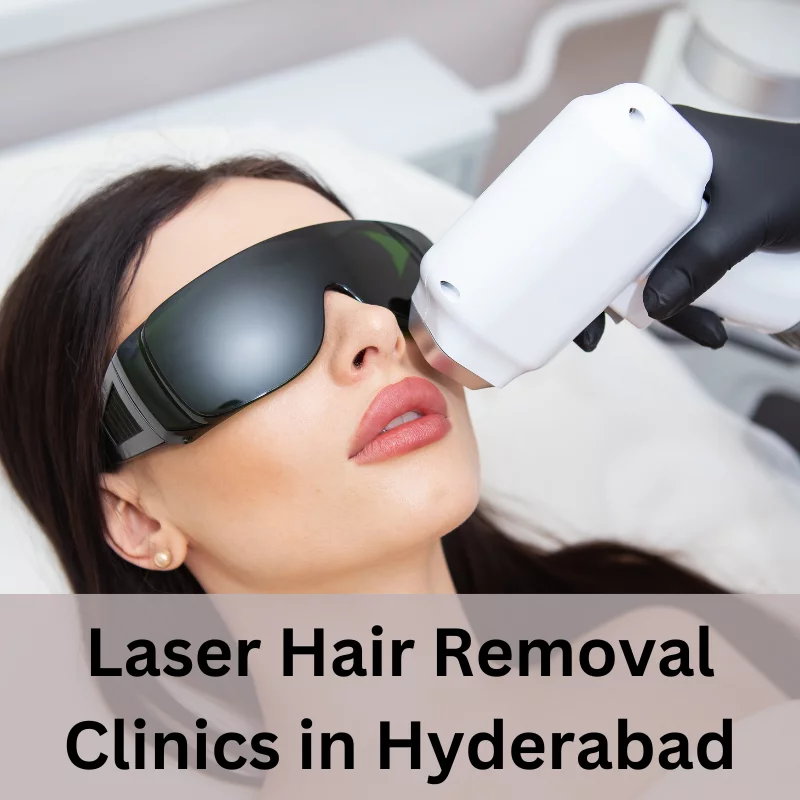
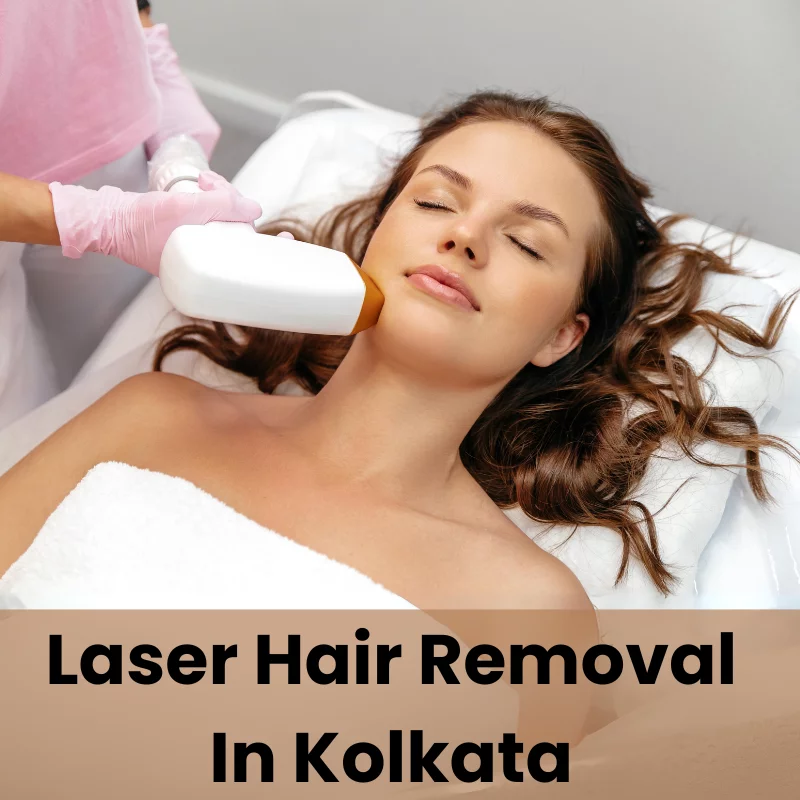
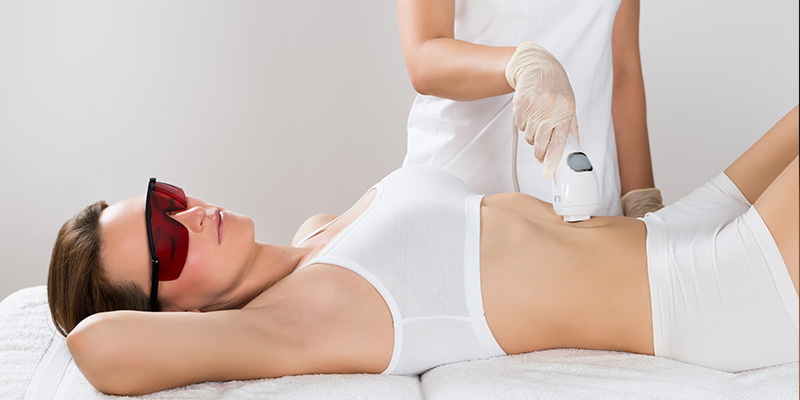
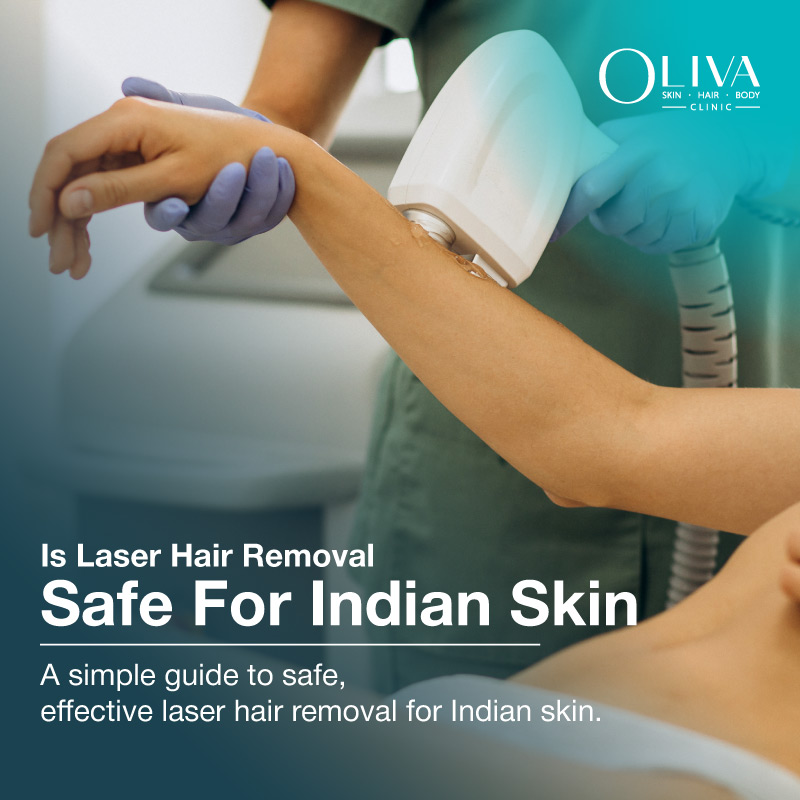
Laser hair removal uses a focused beam of light that is absorbed by melanin, the pigment found in both your skin and your hair follicle. The light converts to heat, travels down the hair shaft, and damages the follicle enough to slow or stop future growth. Because it targets melanin specifically, the amount of pigment in your skin directly affects how a laser session feels and how safe it is which is precisely why Indian skin needs a more tailored approach than the one used for very fair, light-haired clients in Western skincare literature.
Why Indian Skin Needs a Different Approach
Dermatologists classify skin using the Fitzpatrick scale, which runs from Type I (very fair, always burns) to Type VI (deeply pigmented, never burns). Most Indians fall between Type III and Type V meaning our skin carries considerably more background melanin than the skin types laser technology was originally developed and tested on decades ago.
This matters for two practical reasons:
- Because your skin itself contains melanin, an unsuitable laser can ‘confuse’ the beam, absorbing energy into the surrounding skin instead of just the hair follicle raising the risk of burns, blistering, or patchy pigmentation.
- The right laser, used at the right settings by a trained professional, can still target the hair effectively while protecting the surrounding skin which is why equipment choice and practitioner expertise matter more for Indian skin than for any other single factor.
So, Is It Actually Safe for Indian Skin?
Yes, when it is done with the correct technology and by a qualified professional. The single biggest factor in a safe, effective outcome for Indian skin is the type of laser used, not the concept of laser hair removal itself.
Real Benefits for Indian Skin and Hair Type
- Long-term hair reduction, instead of the daily or weekly upkeep that shaving and waxing demand.
- Fewer ingrown hairs and less razor-related dark bumps, since the follicle itself is treated rather than the visible hair.
- Smoother, more even-toned skin over time in areas that often darken from repeated shaving or waxing, such as the underarms and bikini line.
- Because Indian hair is usually dark and coarse, it actually responds very well to laser treatment dark, dense hair absorbs the laser energy efficiently, often meaning fewer sessions are needed compared to very fine or light-coloured hair.
How to Prepare and Care for Your Skin
Before Your Session
- Avoid waxing, plucking, or threading for at least 3–4 weeks before treatment, since the laser needs the hair root intact.
- Avoid sun exposure and tanning in the days leading up to your appointment.
- Shave (not wax) the area 24 hours before your session.
After Your Session
- Use a broad-spectrum SPF daily on treated areas, since skin is more sun-sensitive post-treatment.
- Avoid hot showers, saunas, and vigorous exercise for 24–48 hours.
- Keep the area moisturised and avoid harsh exfoliants for a few days.
Who Should Be Extra Cautious?
Laser hair removal is generally safe for most Indian skin tones, but a proper consultation is especially important if you are pregnant, have a history of keloid scarring, are on medications that increase sun sensitivity, or have active skin conditions like eczema or infections in the treatment area. A qualified dermatologist will assess these factors before recommending a treatment plan.
Why Choose a Dermatologist-Led Clinic?
Laser hair removal sits at the intersection of technology and skill the same machine, in different hands, can produce very different results. A dermatologist-led clinic brings three things that matter enormously for Indian skin the right equipment the clinical judgement to calibrate settings to your specific skin and hair type, and the ability to manage any reaction immediately, rather than leaving you to figure it out on your own. If you have been putting off laser hair removal because of stories about burns or pigmentation, the real solution is not to avoid the treatment altogether it is to choose the right hands and the right technology. A personalised consultation is the safest first step: it lets a dermatologist assess your skin tone, hair type, and medical history, and map out a realistic treatment plan and timeline before you commit to a single session. Thinking about laser hair removal? Book a consultation with a qualified dermatologist to find out what is right for your skin type, hair texture, and budget before you spend a single rupee on the wrong treatment.
How Much Laser Hair Reduction Cost
The cost of laser hair removal at Oliva in India typically ranges from ₹2,500 to ₹32,000, depending on the treatment area, skin tone, hair type, and the number of sessions required to achieve the desired results.
When to Consult a Dermatologist
You should consult a dermatologist before starting laser hair removal if you have naturally deep or uneven skin tone, a history of keloids or slow-healing scars, active acne, eczema, or other skin conditions in the treatment area, are pregnant or on medications that increase sun sensitivity, or have simply never had a professional assessment of your skin type and hair growth pattern and honestly, given how much Indian skin varies from person to person, it is worth talking to one even if none of these apply to you, just to confirm you are choosing the right laser and settings from the start; at Oliva Skin & Hair Clinic, Book a consultation with MD-certified dermatologists, so you get a clear, personalised answer on whether laser hair removal is right for your skin before you spend anything on treatment.
Frequently Asked Questions On Laser Hair Removal For Indian Skin
Most people describe it as a mild snapping or warm, tingling sensation rather than sharp pain. Modern devices with cooling systems make the experience quite tolerable, and any discomfort typically fades quickly after each pulse.
Hair grows in cycles, so most people need 6–8 sessions spaced 4–6 weeks apart to see significant, lasting reduction. Coarse, dark Indian hair often responds well, but exact numbers vary by area, hormones, and hair density.
No this is a myth. Laser hair removal damages the follicle over repeated sessions, which leads to thinner, sparser regrowth over time, not thicker hair.
Yes, but results and maintenance needs can differ, since hormonal conditions can trigger new hair growth even after treatment. A dermatologist can build a realistic plan and may recommend periodic touch-up sessions.
Look for a clinic that uses medically approved Nd: YAG or diode lasers, is led or supervised by a qualified dermatologist, and offers a proper consultation and patch test before your first full session this combination is the strongest predictor of a safe, effective outcome for Indian skin.
Read This Next