
 Laser Hair Reduction
 Hair Re-Growth
 Acne / Scar
 Skin Rejuvenation
 Insta Glow Solutions
 Pigmentation
 Anti-Aging
 More
More Body
BodyBest Hair Transplant in Chennai: Cost & Results

4.8
Google Ratings
10,000+
Procedures Done
Looking for the best hair transplant in Chennai? At Oliva Clinic, your hair transplant is performed end-to-end by an experienced hair transplant surgeon, not a technician, ensuring expert surgical precision, safety, and a natural-looking result. Backed by proven hair transplant techniques and experienced surgical expertise, Oliva Clinic offers DHI (Direct Hair Implantation) for patients seeking precise graft placement and a natural-looking hairline. Every procedure is performed in an advanced, fully equipped OT setup, following strict hygiene, safety, and surgical protocols. With clinics in Adyar, Anna Nagar, and Alwarpet, expert hair transplant care is conveniently available across Chennai. Book your consultation today for a personalised hair transplant assessment with a qualified surgeon, not a sales pitch. Surgeon-Led Procedure | Advanced OT | DHI Technique | Natural Hairline | Strict Hygiene Protocols | Personalised Treatment


 Limited Period Offer

Book Appointment Now
 5 Minutes Call Back. Guaranteed!
Book Your Appointment Today
Limited Period Offer
Why Choose Oliva Clinic For Hair Transplant In Chennai?
Oliva has been the trusted brand for offering advanced medico-aesthetic services and treatments related to hair and body concerns for the past 15 years. Here are some top reasons why Oliva stands as the primary choice for hair transplant in Chennai:
Dermatologist-Led Expertise: At Oliva, only highly qualified surgeons perform every hair transplant procedure to ensure precision, safety, and long-lasting results.
Advanced Techniques: We specialise in offering globally recognised hair transplant methods, such as FUE (Follicular Unit Extraction) and DHI (Direct Hair Implantation), which provide a natural-looking hairline with minimal scarring and a faster recovery.
US FDA Technology: All our Oliva clinics in Chennai are equipped with state-of-the-art infrastructure, advanced surgical facilities and USFDA-approved technology to provide safe and effective hair transplants.
Customised Treatment Plans: At Oliva, we believe no two clients are the same. Hence, we thoroughly evaluate each client’s scalp condition and hair type and understand their goals. Accordingly, we design a personalised plan that guarantees natural-looking results.
High Client Satisfaction: Thousands of clients in Chennai and across India have trusted Oliva for successful hair restoration and other treatments, with a client satisfaction rate of 97%.
Transparent Pricing: Oliva is known for ethical practices and providing premium care at competitive prices. We offer transparent pricing for every treatment with no hidden charges.
Before & After Results Of Hair Transplant In Chennai
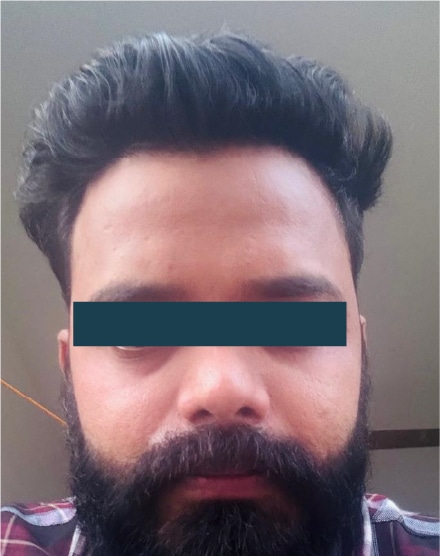
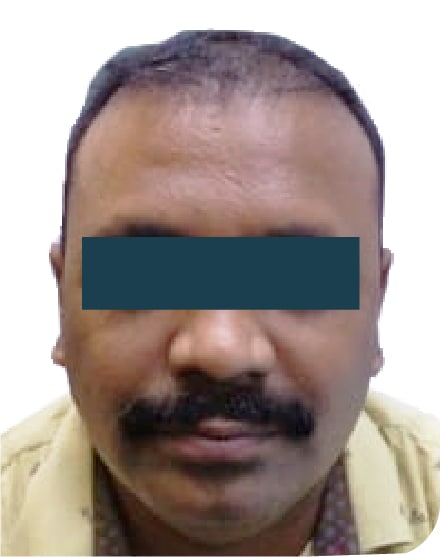
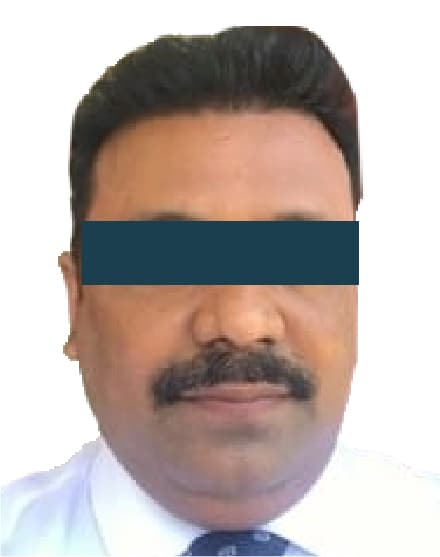
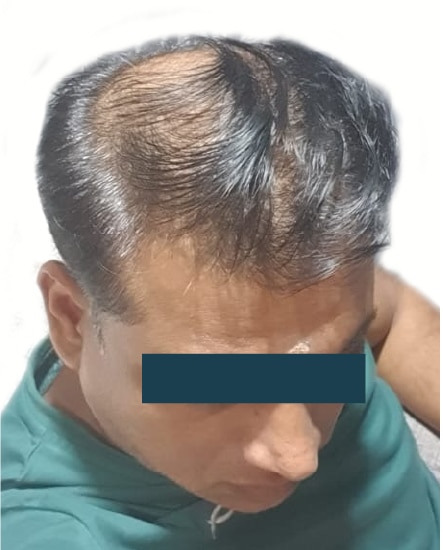
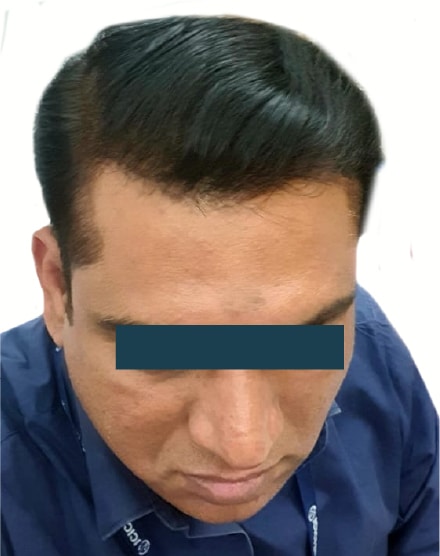
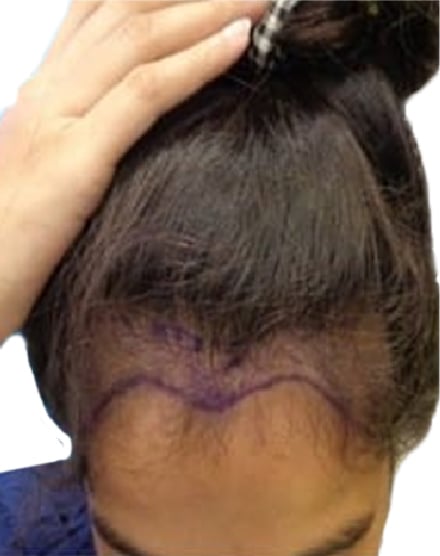
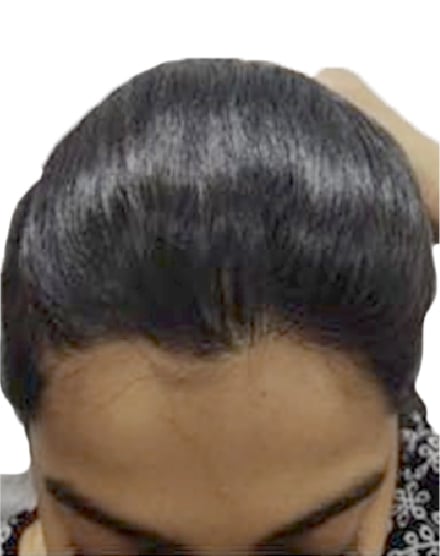
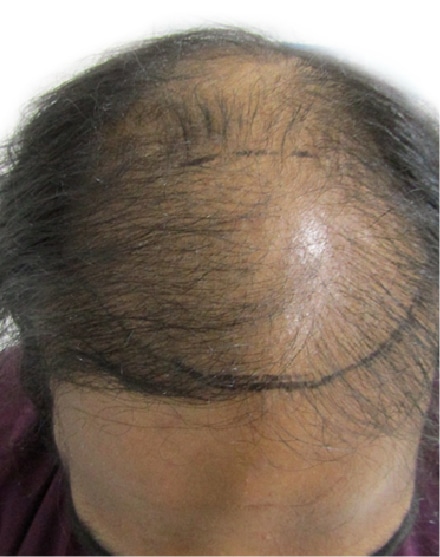
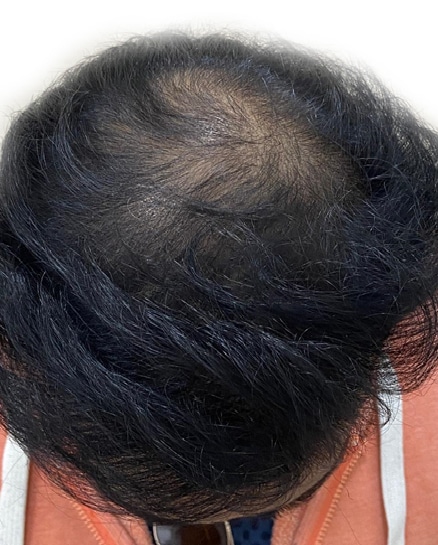
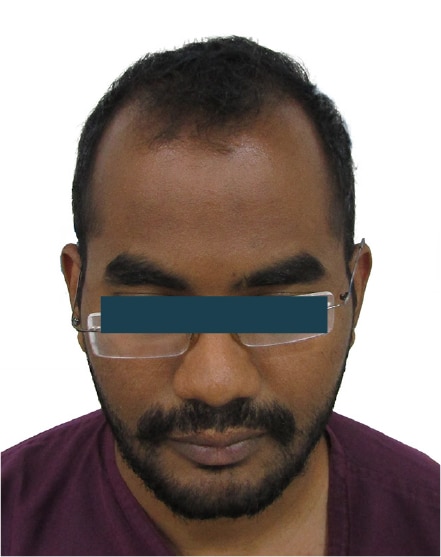
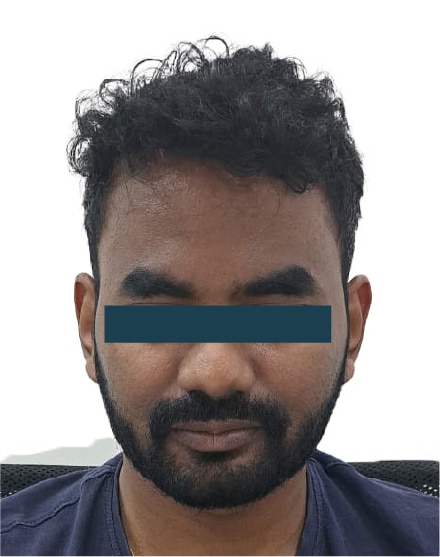
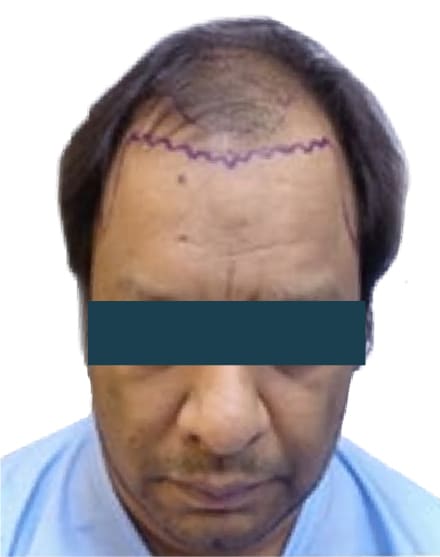
Take a look at the transformation of our clients in the before-and-after pictures. These images show our credibility and the trust of thousands of clients.
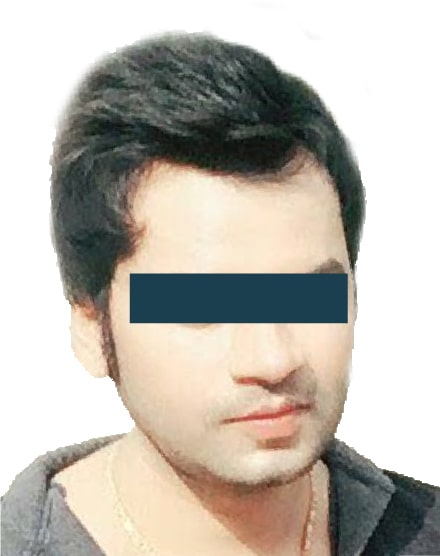 Before
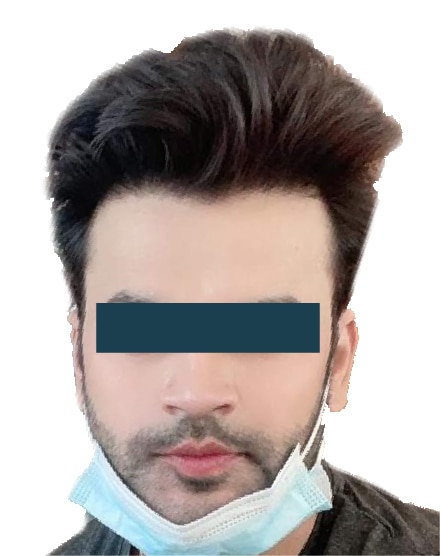 After
After
Client Name : Vikram Patel
Client ID: AW93X4721
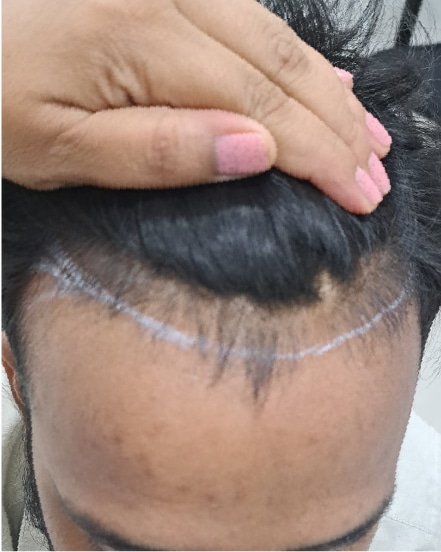 Before
 After
After
Client Name : Suresh Kumar
Client ID: KM03B6742
 Before
 After
After
Client Name : Ravi Menon
Client ID: HS48P9310
 Before
 After
After
Client Name : Rajesh Nair
Client ID: AW16Z2498
 Before
 After
After
Client Name : Priya Shah
Client ID: KM84T1290
 Before
 After
After
Client Name : Anil Reddy
Client ID: HS19Z6048
 Before
 After
After
Client Name : Rohit Bansal
Client ID: AN64T9087
 Before
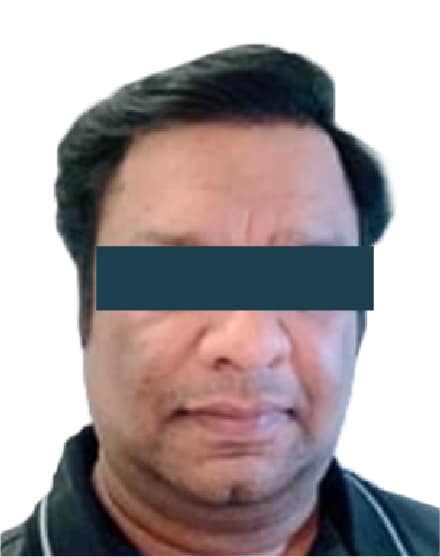 After
After
Client Name : Amit Verma
Client ID: CG92L6701
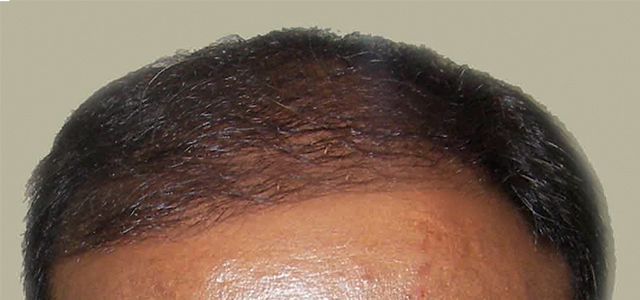 Before
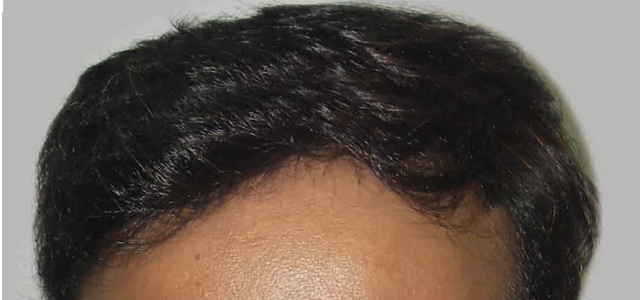 After
After
Client Name : Bharath Kumar
Client ID: HS07T5823
*Images are from real clients, and results can be subjective
Hair Transplant Cost in Chennai
The cost of a hair transplant in Chennai typically ranges from ₹50,000 to ₹2,50,000, depending on the extent of hair loss and the number of grafts needed. Since every patient’s hair loss pattern is different, we provide a personalized cost estimate only after a detailed, one-on-one consultation with our expert hair transplant surgeon, ensuring you get a plan (and price) tailored to your actual needs, not a generic package.
Factors Affecting Hair Transplant Cost in Chennai
Several factors influence the final cost of your hair transplant in Chennai:
- Hair Transplant Technique: DHI, FUE, or other advanced methods each come with different pricing based on precision and results
- Number of Grafts/Follicles Required: More grafts mean a more extensive procedure and cost
- Stage of Baldness: Higher Norwood stages typically require more grafts and sessions
- Surgeon’s Experience & Expertise: Board-certified, experienced surgeons deliver more natural, lasting results, which reflects in the pricing
- OT Technology & Facilities: Advanced tools and sterile, well-equipped OT facilities ensure safety and better outcomes
Book your consultation with our hair transplant specialists in Chennai to get an accurate, no-obligation quote based on your specific hair restoration goals.
Conditions Treated By Hair Transplant
Dermatologists usually recommend a hair transplant to individuals with the following concerns:
- Androgenetic Alopecia
- Traction Alopecia
- Alopecia Areata
- Hair Loss from Injury or Burns
- Hair Loss from Hormonal Imbalances
- Scarring Alopecia
Who Is An Ideal Candidate For Hair Transplant?
Hair transplant treatment is suitable for both men and women who are:
- Above 25 years of age
- Suffer from patterned baldness and hair loss
- Have stable donor hair
- Want to have hairline refinement
Our experts will confirm the suitability during the consultation.
Why Choose Hair Transplant
A hair transplant treatment offers a permanent solution to hair loss, compared to temporary solutions such as oral or topical medications, hair growth serums, or PRP hair therapy. This advanced hair restoration method relocates healthy hair follicles from the donor area to the thinning or bald areas of your scalp. It effectively addresses the root cause of your baldness and provides natural-looking results. This makes hair transplant a superior choice for those seeking a long-lasting solution and minimal upkeep. Let us learn more about the advantages of a hair transplant treatment.
Benefits of Hair Transplant


DHI Hair Transplant in Chennai at Oliva Clinics
At Oliva Clinics, we specialise in DHI (Direct Hair Implantation), an advanced hair transplant technique designed to provide precise control over graft placement and support natural-looking results. DHI uses a specialised implanter pen to place individual hair follicles with precise control over their angle, depth and direction, helping create a natural-looking hairline and appropriate hair density while minimising unnecessary handling of grafts.
Why Oliva Chennai Recommends DHI:
- Careful graft handling: Minimises unnecessary time and handling of follicles during implantation.
- No shaving required in most cases: May be suitable for patients looking for a more discreet procedure.
- Greater precision: Surgeon-controlled implantation helps achieve natural hair direction and density.
- Minimally invasive implantation: Uses a specialised implanter pen for controlled graft placement.
- Personalised graft planning: Graft placement and density are planned according to your hair loss pattern, donor area and desired hairline.
Every DHI procedure at Oliva is performed end-to-end by an experienced hair transplant surgeon, ensuring the precision this technique demands rather than being delegated to a technician.
FUE vs DHI - Which Technique Is Better?
Whether you need FUE or DHI entirely depends on your hair loss grade, the area being treated, your donor density, and your aesthetic goals. At Oliva Clinics, our hair transplant surgeon assesses all of these factors during your consultation and recommends the right technique that will deliver the most natural, long-lasting result for your specific case. Here is an overview of FUE and DHI to help you understand better:
| Parameter | FUE (Follicular Unit Extraction) | DHI (Direct Hair Implantation) |
| What It Is | Individual follicles are extracted one by one from the donor area and implanted into tiny incisions made in the recipient area | A refined version of FUE where extracted follicles are directly implanted without creating pre-made incisions |
| Extraction Tool | Micro-punch tool | Choi implanter pen |
| Implantation Method | Follicles placed into pre-made incisions or channels created in the recipient area | Extraction and implantation happen in a single step |
| Time Outside the Body | Follicles spend more time outside the body between extraction and implantation | Follicles spend minimal time outside the body, reducing the risk of follicle damage |
| Precision of Placement | High, as surgeon controls angle and direction during implantation | Very high, as Choi pen allows precise control of depth, angle, and direction simultaneously |
| Shaving Required | Full donor area shaving typically required | Partial shaving only. Suitable for clients who want to keep existing hair longer |
| Scarring | Tiny circular dot scars in the donor area. No linear scar. | Same tiny dot scars as FUE. No linear scar |
| Graft Survival Rate | High. It is dependent on surgeon skill and graft handling time | Slightly higher. Reduced time outside the body improves follicle viability |
| Cost | Generally lower than DHI | Generally higher due to the specialised equipment and technique involved |
Hair Transplant Procedure in Chennai at Oliva Clinics
At Oliva Clinics Chennai, your hair transplant journey follows a structured, surgeon-led process designed around your hair loss pattern, donor hair availability and desired hairline. From the initial assessment to post-treatment care, every stage is carefully planned to support natural-looking and long-lasting results.
Before the Procedure

Your hair transplant surgeon begins with a detailed assessment of your scalp health, hair loss pattern, thinning or bald areas and donor hair density. Your hairline, facial proportions, expectations and hair restoration goals are also discussed. Based on this assessment, the surgeon determines your suitability for hair transplantation and develops a personalised graft and hairline plan. Your scalp is then prepared, the planned hairline and treatment areas are marked, and baseline photographs are taken to monitor your progress.
During the Procedure
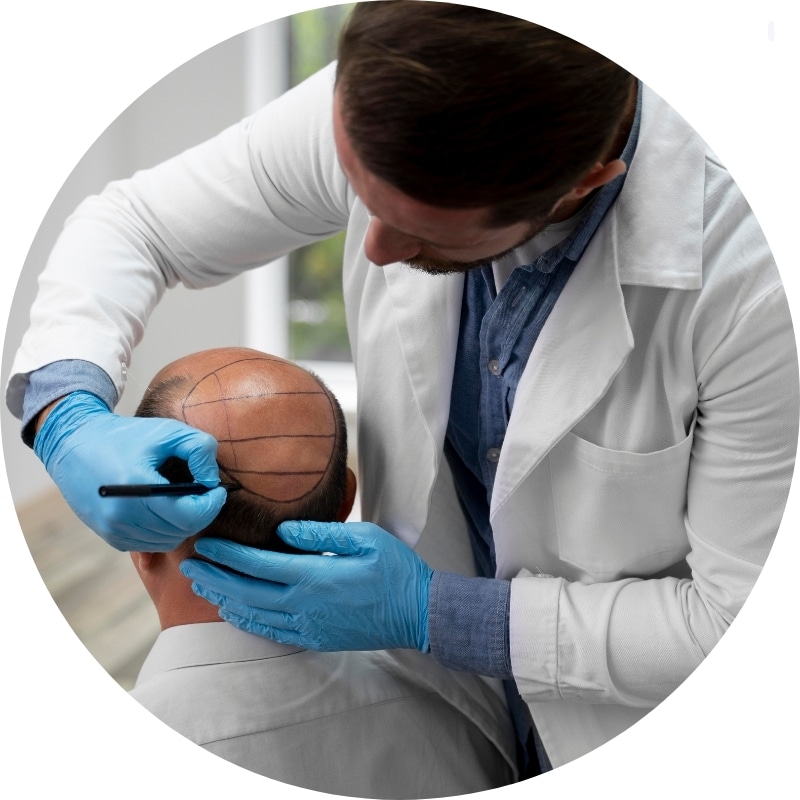
The procedure involves two key steps graft extraction and implantation. Local anaesthesia is administered to help keep you comfortable throughout the procedure. Healthy hair follicles are carefully extracted from the donor area and prepared for implantation. After the extraction phase, you can take a lunch break and have your meal before proceeding with implantation. The implantation is then carried out by the surgeon, with each graft placed according to the planned hairline, angle, direction and density for a natural-looking result. The entire procedure is performed in an advanced operation theatre under strict safety, hygiene and clinical protocols.
After the Procedure
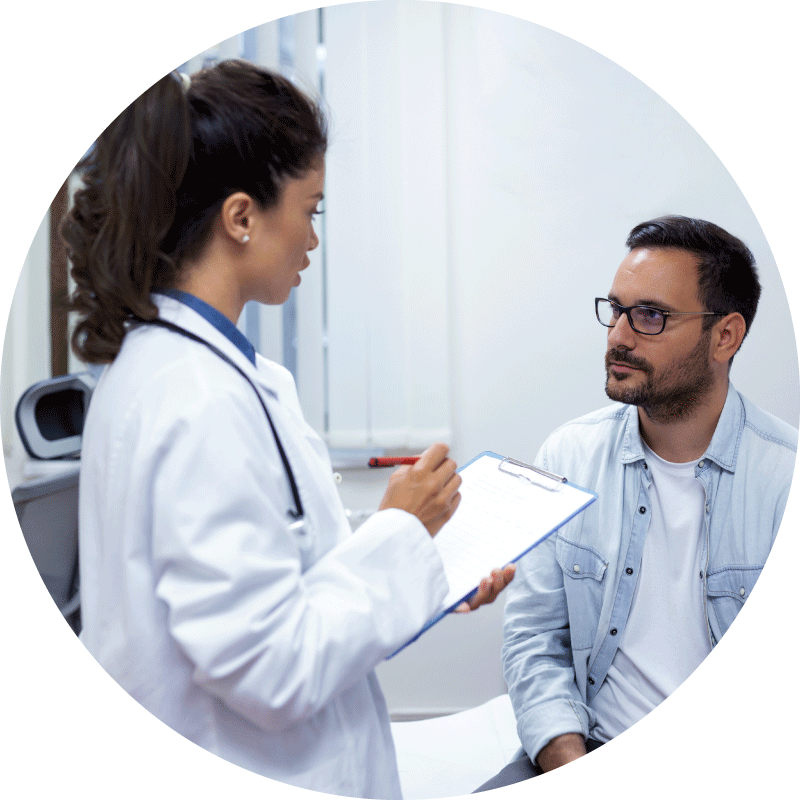
Once the transplant is complete, your scalp is gently cleansed and appropriate dressing is provided. Your surgeon will explain your post-transplant care instructions, including when to wash your hair, how to sleep comfortably, sun-exposure precautions and other activities to avoid during the initial healing period. You will also receive guidance on follow-up care and monitoring your progress as your transplanted hair grows.
At Oliva Chennai, the procedure is performed end-to-end by an experienced hair transplant surgeon from assessment and hairline planning to graft placement and post-procedure guidance.
Hair Transplant Recovery Timeline
The recovery for hair transplant treatment takes about 12 to 18 months. While the first 10 to 14 days involve physical healing and scab shedding, weeks 3 to 8 include a temporary shedding phase called shock loss. In months 4 to 12, you will notice progressive hair growth results, with final results showing up during the 12-18 months period. Here is a timeline of the results you can expect after the hair transplant procedure:
| Recovery Phase | What to Expect |
| Day 1–3 | Mild swelling, redness, and tenderness in both the recipient and donor areas; small scabs begin forming around each graft |
| Day 3–5 | Forehead and eye area swelling. This is normal and resolves on its own. |
| Day 5–7 | Scabs form around each transplanted graft; do not pick or forcibly remove them |
| Day 10–14 | Most scabs shed by day 14; donor area heals significantly |
| Week 4–8 | Transplanted hairs begin shedding. This is completely normal and expected. |
| Month 3–4 | Fine, thin new hairs begin emerging from transplanted follicles. Growth is initially sparse and uneven. This is the start of the visible transformation |
| Month 4–6 | Hair growth becomes noticeably more visible; texture and thickness improve progressively. |
| Month 6–9 | The majority of transplanted hairs are now in active growth phase; Hairline definition improves. Crown coverage becomes visibly denser. |
| Month 9–12 | Hair continues to thicken, and texture normalises to match surrounding hair |
| Month 12–18 | Full density, natural texture, and final hairline definition achieved. Results are permanent in the transplanted areas. |
Hair Transplant Aftercare Tips
The post-care guidelines are crucial to support recovery after a hair transplant procedure. Here are some essential tips to follow:
- Avoid touching or scratching the grafted area.
- Sleep with your head elevated for the first 7 days after the procedure.
- Do not pick or forcibly remove the scabs formed around the transplanted grafts.
- Gently wash your scalp after a few days using a prescribed shampoo.
- Avoid strenuous exercise, gym, swimming, and direct sun exposure for at least a few weeks.
- Avoid wearing hats or helmets for at least 2 to 4 weeks.
- Avoid smoking or alcohol for 7 to 14 days after the procedure.
- Take prescribed medications as directed by the doctor.
- The surgeon may recommend PRP for some clients as a combination with a hair transplant. Finish those sessions to optimise your hair growth results.
- Attend the follow-up sessions to maintain the transplanted hair over time.
Hair Transplant Myths Vs Facts
While hair transplant procedures have been popular, there are certain misconceptions surrounding them. Here are some common myths and the facts you need to know:
Myth 1: Hair transplants are only for men
Fact: Most people think that hair transplants are only for men suffering from hair loss and baldness. Men and women are equally prone to hair loss and have different balding tendencies. Hair transplant procedures are also done for women, and the results are equally good.
Myth 2: Hair Transplant is very painful
Fact: This is a common misconception that the hair transplant procedure is very painful. The truth is that it is painless. Since the procedure is performed under anaesthesia, you do not feel any pain or discomfort.
Myth 3: Transplants give you scars
Fact: This is not true. Advanced hair transplant procedures like FUE and DHI are minimally invasive. They do not leave any visible scars that can hinder your appearance. The scars from these modern techniques appear less visible or hidden.
Hair Transplant Clinics Chennai
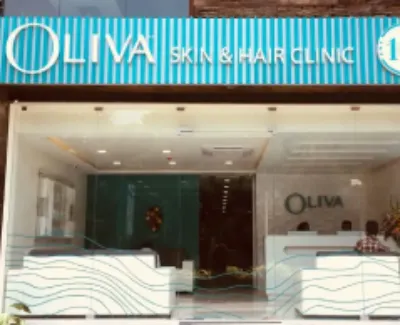

Oliva Skin, Hair & Body Clinic, Ground Floor, New No 53, Old No 26, Sai Bhavanam, 2nd Cross St, Gandhi Nagar, Adyar, Chennai, Tamil Nadu 600020


Monday-Sunday 10AM – 8PM

900 Consultation Fees
 Get Direction
Oliva Skin, Hair & Body Clinic, 2nd Floor, Flat No’s : 2A & 2B, KG Business center, 65, TT Krishnamachari Rd, CIT Colony, Mylapore, Chennai, Tamil Nadu 600018
Monday-Sunday 10AM – 8PM
900 Consultation Fees
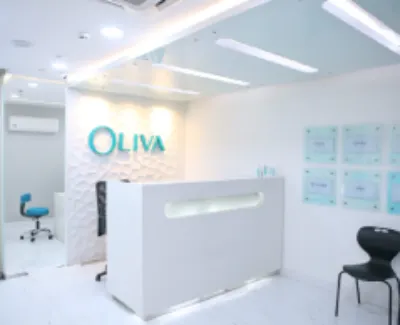
No: 221, TBR Tower Avenue, Above Starbucks, Y Block 2nd St, near Ayyappa Temple, Y Block, Anna Nagar, Chennai, Tamil Nadu 600040
Monday-Sunday 10AM – 8PM
900 Consultation Fees
Old Mahabalipuram, Salai Cross Street, Kumaran Nagar, Road, above Starbucks, Nookampalayam, Sholinganallur, Chennai.
Monday-Sunday 10AM – 8PM
900 Consultation Fees
FAQs On Hair Transplant In Chennai
The number of grafts required for a hair transplant varies significantly from person to person based on several factors. These include the degree of your hair loss, the density desired, the availability of donor hair, and the area of the scalp being restored. An accurate estimate of grafts required will be determined only after a physical scalp assessment. At Oliva Clinics, our expert surgeons perform a detailed trichoscopy to evaluate your condition and donor area. This helps them determine your precise graft requirement, expected density outcome, and the most appropriate transplant technique (FUE or DHI) for your hair loss pattern.
The results of a hair transplant are usually permanent, as the transplanted follicles are resistant to DHT.
Yes, hair transplant results are permanent in the transplanted areas. This is because the grafts are taken from the genetically resistant donor zone (back and sides of the scalp), which is not susceptible to the hormonal factors that cause pattern hair loss. However, existing non-transplanted hair may continue to thin over time because of ageing or genetic factors. Your surgeon may suggest topical treatments to protect your native hair.
Oliva Clinics offers the best hair transplant in Chennai, with locations conveniently available in Adyar, Anna Nagar, and Alwarpet. Every procedure is dermatologist hair transplant surgeon-led and performed using advanced DHI (Direct Hair Implantation) technique ensuring safe, precise, and natural-looking results with minimal downtime.
What sets Oliva apart:
- Surgeon-Led Procedures: Every transplant end to end from extraction to implantation performed by a highly qualified & well experienced hair transplant surgeon, not technicians.
- Advanced DHI Technique: Minimally invasive method which ensure natural hairlines, faster healing, and no linear scarring
- Three Convenient Locations in Chennai: Adyar, Anna Nagar, and Alwarpet, making expert hair transplant care accessible across Chennai.
- Personalized Treatment Plans: Your hair loss pattern, scalp condition, and aesthetic goals are assessed individually before recommending a technique
Book your hair transplant consultation at your nearest Oliva Clinic in Chennai to get an expert assessment and a customized hair restoration plan.
A hair transplant procedure typically takes between 4 and 8 hours in a single session, as it includes preparation and numbing, extraction and implantation. The time taken varies depending on the number of grafts being transplanted. For larger sessions of thousands of grafts, it may be staged across two days for optimal graft survival and surgeon precision.
Men and women above 25 who suffer from patterned baldness and hair loss, have stable donor hair, and are in good overall health, can opt for hair transplant treatments.
Dermatologists do not recommend a hair transplant to individuals with severe medical issues, poor donor hair, or unrealistic expectations.
At Oliva, the success rate of hair transplant is 100%. All the hair transplant procedures performed by experienced surgeons using advanced techniques have been successful.
Yes. It is possible to go for a no-trim or partial-trim technique in select cases. However, dermatologists usually recommend trimming for precision.
Refrain from touching, scratching, or washing your scalp for a few days. Sleep with your head elevated. Avoid swimming for at least 2 weeks after the procedure. Follow the medication as prescribed by your dermatologist and protect your scalp from the sun or sweat.
Yes, a hair transplant treatment can effectively help restore the density of your crown, provided you have sufficient donor hair available.
Yes, a hair transplant procedure is performed under local anaesthesia to ensure minimal discomfort for the client.
After the procedure, initial healing takes about 7–10 days. You can notice full hair growth results becoming visible in 9–12 months.
Hair transplant is not a painful procedure, as they administer local anaesthesia. However, you may experience mild soreness or tightness after.
There are no major side effects associated with the hair transplant procedure when performed by an experienced specialist. However, individuals may notice mild swelling, redness, scabbing, or itching, which usually subsides within a few days. Doctors will prescribe medication to alleviate this discomfort.


