

In This Article
 Facts Checked
Dark Spots On Face: Causes, Types, Treatments and Tips


Dark spots on face are a common skin concern affecting people of all ages and skin types. These facial black spots often appear as small dark spots on face, black dark spots on face, or uneven dark black marks on face, making the skin look dull and uneven. They can develop due to excess melanin production triggered by sun exposure, acne, hormonal changes, or aging. While some black marks fade over time, others may persist and require proper care to remove dark spots on face effectively. Understanding why these dark marks form is the first step toward choosing the right black mark face treatment for clearer, more even-toned skin.
In This Article
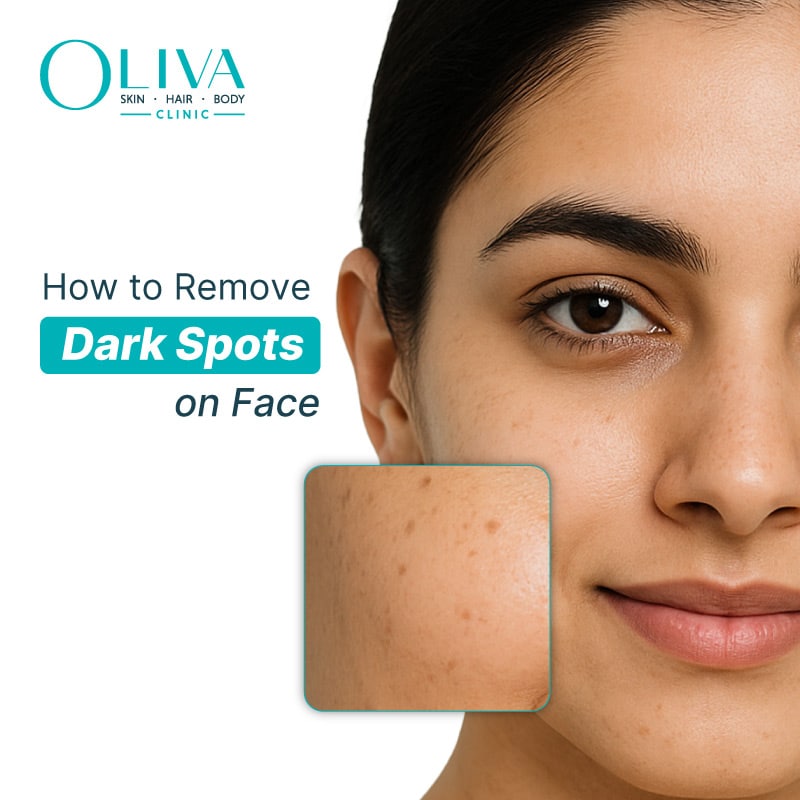
What Are Dark Spots On The Face?
Dark spots on the face are small areas of skin that become darker than surrounding skin due to an excess of melanin, the pigment that gives skin its color. When skin cells produce more melanin in specific spots often triggered by sun exposure, inflammation, acne, or hormonal changes these darker areas appear. This condition is medically known as hyperpigmentation, [1] and while it’s usually harmless, many people seek treatment to reduce its visibility.
Must Read: Best Treatments For Dark Spots And Pigmentation Marks
What Causes Dark Spots On Face?
Dark spots on face develop when your skin produces too much melanin—the natural pigment that gives skin its color. This overproduction leads to concentrated areas of pigmentation, resulting in black dark spots on face, small dark spots on face, or uneven patches known as dark black marks on face.
Main causes include:
- Sun exposure: UV rays stimulate melanocytes to produce extra melanin as a defense mechanism, causing sunspots and age-related dark spots.
- Post-inflammatory hyperpigmentation (PIH): After acne, cuts, burns, or irritation, skin may overproduce melanin during healing, leaving dark marks.
- Hormonal changes: Fluctuations from pregnancy, birth control, or hormonal imbalances can trigger melasma, a type of pigmentation often seen on the face.
- Aging & genetics: As skin ages, its ability to regulate pigment production changes, and genetic factors can make some people more prone to pigmentation.
- Medications & sensitivity: Certain drugs can increase sun sensitivity or directly affect melanin production, contributing to dark marks.
What Are The Common Areas for Dark Spots?
Dark spots on face typically appear in areas that are most exposed to sunlight or hormonally sensitive, where melanin overproduction occurs more often. These include:
Cheeks: One of the most common sites for melasma-related pigmentation [2] and other dark spots.
Forehead: Frequently affected due to UV exposure and melasma patterns.
Upper lip: Especially in melasma (sometimes called a “mask of pregnancy”), where hormonal triggers and sun exposure play a role.
Nose and chin: Common for both sun spots and post-inflammatory hyperpigmentation after acne or injuries.
Types of Pigmentation Spots That Cause Dark Marks on Face
In order to find out how to remove black spots that are caused by pimples or any other concern, or which cream to use, etc., you will have to first determine what type of dark spots have occurred. Below are the three types of dark spots that an individual can encounter
- Melasma: Melasma spot is most common in women and those who have a darker skin tone. Melasma is an extended form of pigmentation, and you would notice patches of skin in colors ranging from light yellow to dark brown. Also, rather than tiny spots, melasma spots can cover a larger area of your skin.
- Lentigines: Solar Lentigines usually occur due to overexposure to sunlight. The harsh UV rays lead to either a single spot or multiple spots which appear as a patch. You will notice this type of black spots mostly in adults rather than children.
- Post-inflammatory Hyperpigmentation (PIH): As the name suggests, post-inflammatory hyperpigmentation is the result of an inflammation leading to increase in pigmentation. Appearance-wise, these spots would appear more like blemishes with their colour ranging from pink to red to dark brown. Popping or picking at your acne will often end up with you having dark spots due to PIH.
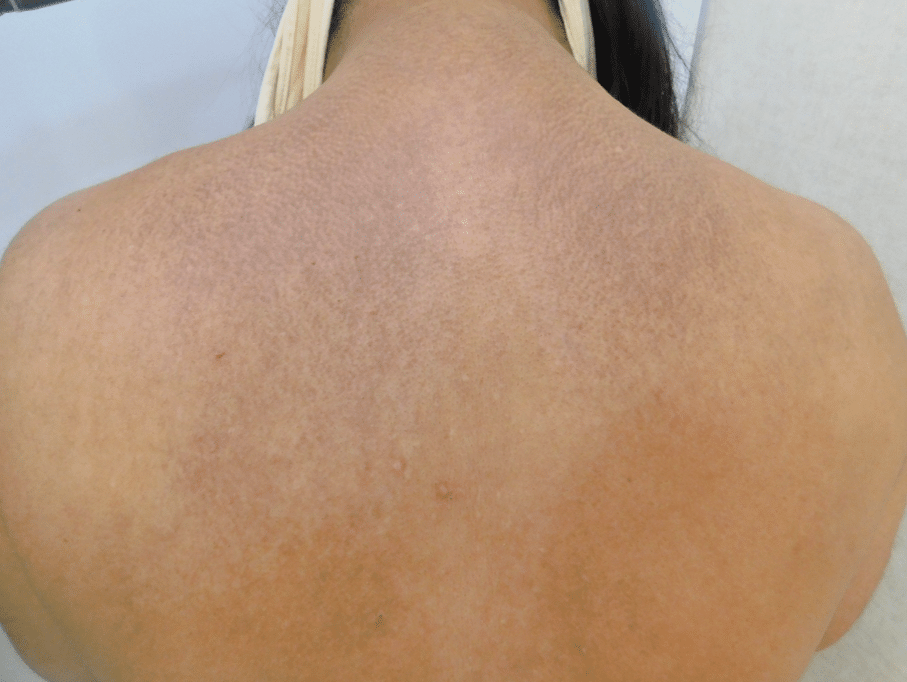
Must Read: How To Remove Black Spots On Back?
Best Ways To Remove Dark Spots On Face
Dark spots are not permanent in nature and can be easily removed by using creams, cosmetic treatments, lifestyle changes, etc. Below are some of the most effective dark spot treatments that are recommended by dermatologists.
1. Lasers:
Laser toning treatment is an effective option for eliminating dark spots on face. It works by directing controlled laser light onto the pigmented area, where the energy breaks down excess melanin particles without damaging surrounding skin. These pigment fragments are then naturally cleared by the body. Depending on the size, depth of the spot, and the treated area, 4–6 sessions are usually required for visible clearance. For safety and optimal results, laser toning should always be performed by a certified dermatologist.
2. Chemical Peels:
Chemical peel treatment is a commonly recommended option for dark marks on face treatment. In this procedure, a controlled combination of chemical solutions is applied to the affected area to exfoliate and remove the damaged outer skin layers. This process helps fade dark spots and black marks while promoting new, healthy skin growth. Along with reducing pigmentation, chemical peels also improve skin texture, leaving it smoother and more radiant. Salicylic peels and lactic peels are among the most widely used options, and the treatment should be performed at a reputed skin clinic under professional supervision for safe and effective results.
3. Microdermabrasion:
Microdermabrasion is a non-invasive exfoliation procedure that is highly effective as a black mark face treatment. It works by gently removing dead skin cells from the outer layer of the skin, helping to reduce the appearance of mild hyperpigmentation and facial black spots. Since the treatment does not damage underlying skin tissue, it is safe for most skin types and requires minimal downtime. Microdermabrasion not only aids in fading black marks but also promotes smoother, brighter, and healthier-looking skin, making it a popular choice for those seeking effective black mark face treatment.
4. Microneedling:
This treatment uses a stainless tool which is covered with hundreds of tiny needles. As the needles prick the skin, it promotes an increase in collagen production and helps restore the skin’s elasticity. When done by a professional, there is no risk of scarring in this treatment. An anaesthetic cream is applied before the session to ensure that no pain is felt during the procedure. Ideally, 4-6 sessions are required to see visible results.
Must Read: How To Remove Pigmentation From Face?
What Is The Best Over The Counter Dark Spot Solution?
OTC solutions like black spot removal creams, gels, soap and cleansers are widely assumed to be effective in dealing with this condition. However, you might see little to moderate results from any OTC products. Further, you run the risk of side-effects like skin irritation and damage.
-
Hydroquinone:
An ingredient called hydroquinone is easily available over-the-counter. Hydroquinone helps in restraining tyrosinase, which is an enzyme that helps in melanin production. Since the production of tyrosinase is limited, the production of melanin also slows down. Depending upon the extent of your dark spots, it can easily take 8-12 weeks for this treatment to show visible results.
-
Kojic Acid:
Kojic Acid is an integral ingredient of skin lighteners and is made out of fermented rice or mushrooms. There can be some minor side effects from using kojic acid topically Hence, it is advised to use it in low concentrations. This treatment works by subduing the main function of the pigment cells.
-
Others:
Some other ingredients like Azelaic acid, Lactic acid, and Salicylic acid is available in different strength in various dark spot removal products. Make sure to consider your skin type and skin sensitivity before choosing any product.
Home Remedies For Dark Spots On Face
For those looking to remove dark spots on face naturally, several home remedies can help reduce pigmentation, particularly for small dark spots on face or mild discoloration. While these remedies are not as fast or intensive as clinical treatments, they can be effective with consistent use.
1. Aloe Vera Gel
Aloe vera contains compounds like aloin and aloesin that may reduce melanin synthesis and soothe the skin, helping fade dark black marks on face over time with regular use. Clinical reviews identify aloesin as one of several natural ingredients that show potential in managing hyperpigmentation. [3]
2. Lemon Juice
Lemon juice is rich in vitamin C and citric acid, which may lighten pigmentation through mild exfoliation and antioxidant action. It is often used to target black dark spots on face, though it should be diluted and followed by sunscreen because of photosensitivity risk. [4]
3. Turmeric Paste
Turmeric’s active compound, curcumin, has antioxidant and anti‑inflammatory properties that may help in eliminating dark spots on face. Some clinical research on natural depigmenting ingredients suggests curcumin and related botanical extracts can support pigment reduction when applied consistently. [5]
4. Green Tea Extract
Green tea contains EGCG, an antioxidant shown to inhibit melanin production and help soothe irritated skin. Applying cooled green tea or products containing green tea extract may assist in fading black marks on face. [6]
5. Potato Juice & Similar Enzymes
Raw potato juice contains enzymes that act as mild bleaching agents and may help reduce pigmentation by gentle exfoliation, particularly for small dark spots on face. Traditional use is supported by skincare compilations of natural treatments.
Important Notes:
- Many natural remedies work slowly and may take weeks of consistent use to show improvement.
- Always perform a patch test before applying remedies on larger areas to avoid irritation.
- For persistent or severe pigmentation, professional black mark face treatment from a certified dermatologist is recommended.
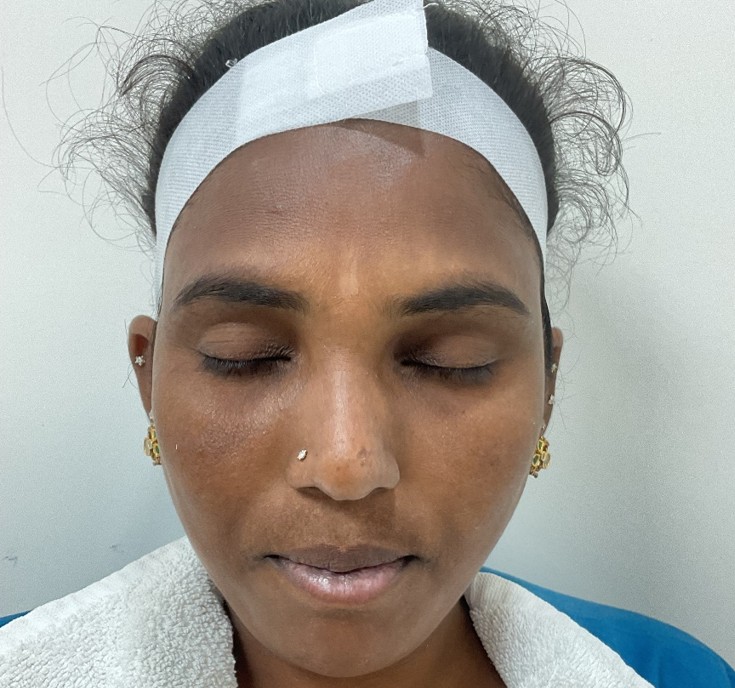
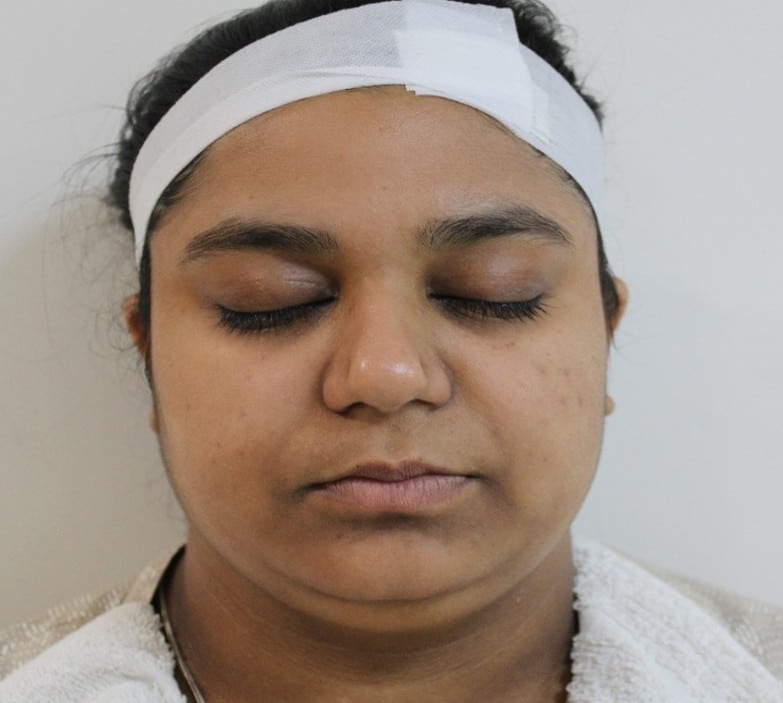
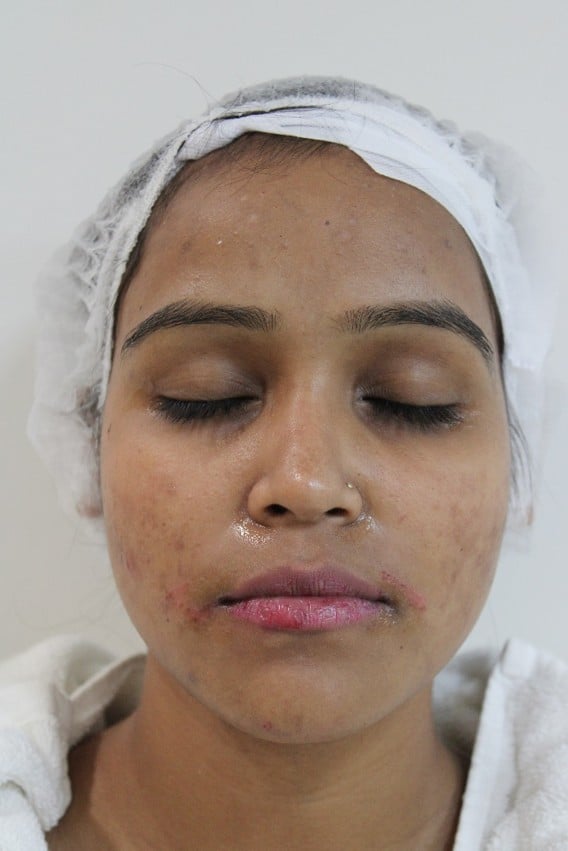
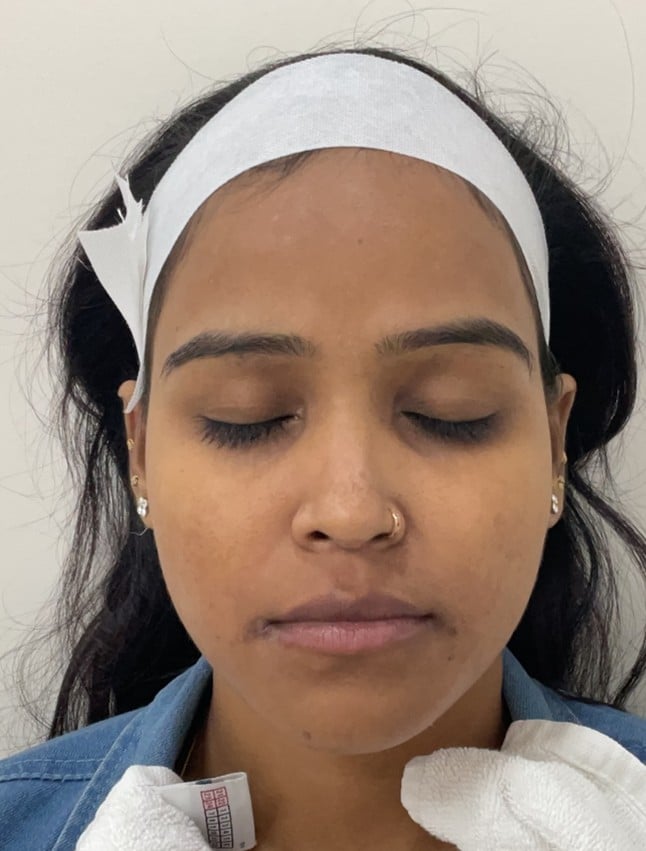
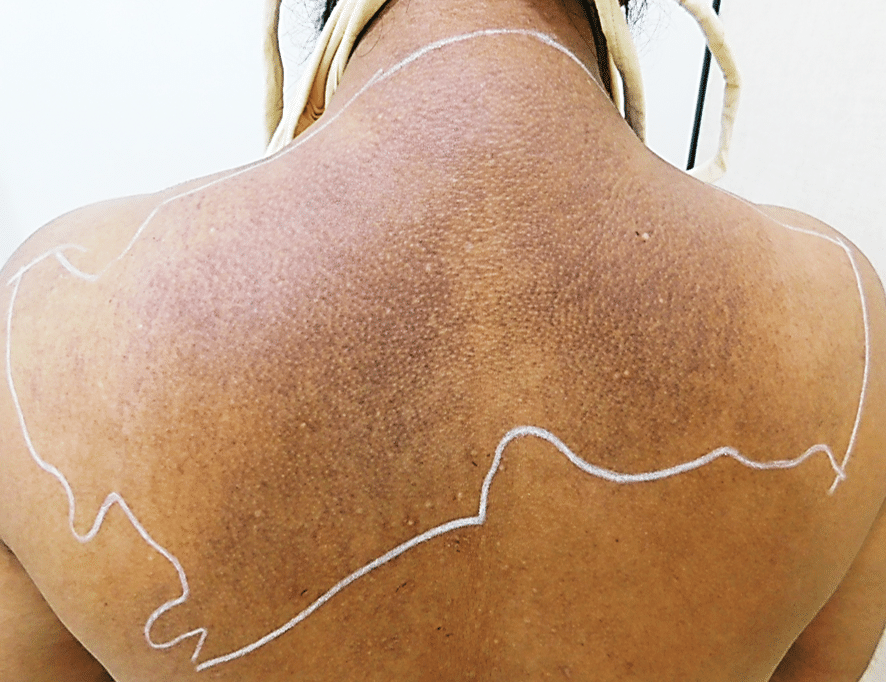
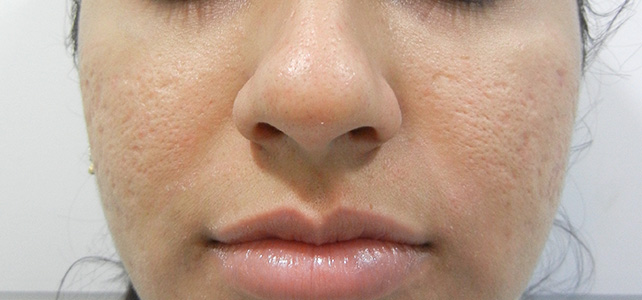
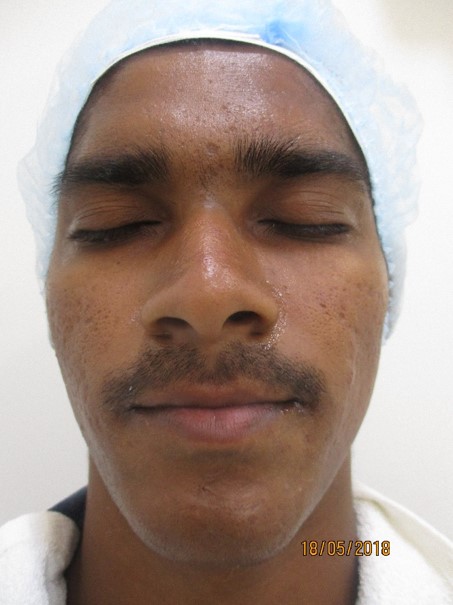
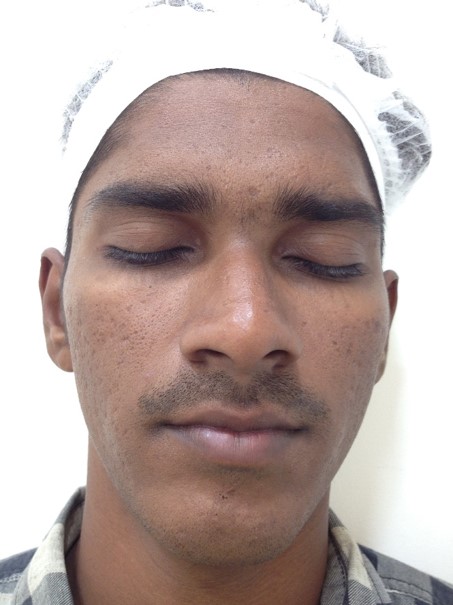
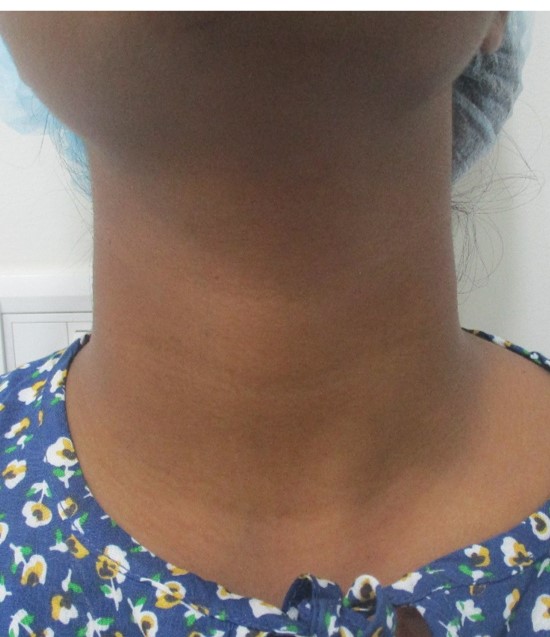
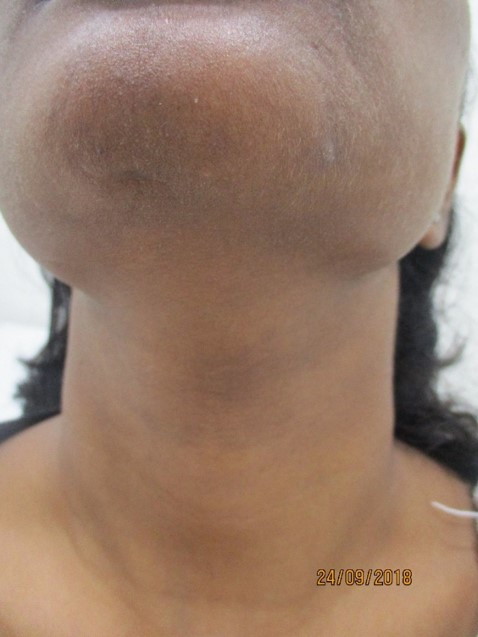
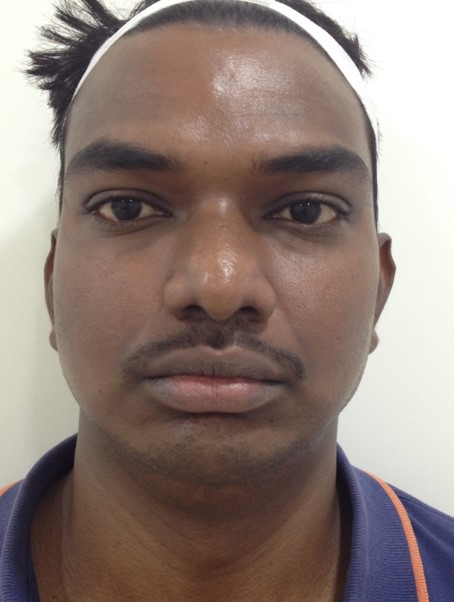
Before and After Results of Dark Spots on Face Treatment
See how our expert black mark face treatment and professional procedures help in eliminating dark spots on face, transforming facial black spots into clear, radiant skin with visible results.
 Before
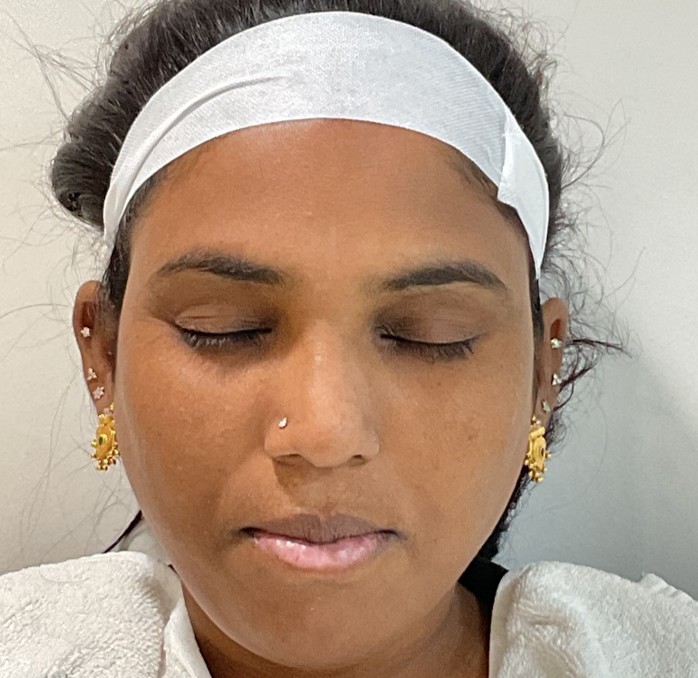 After
After
Client Name : Nagamani
Client ID: BGM06C1592
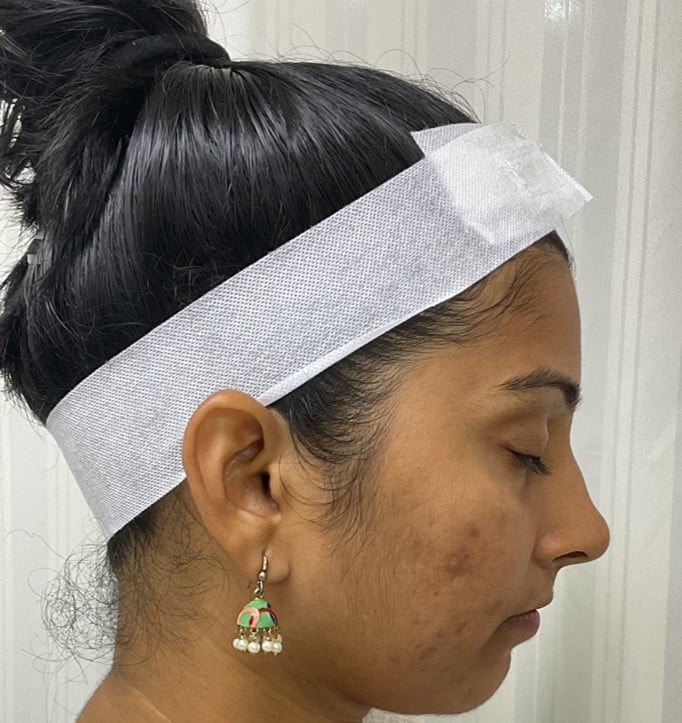 Before
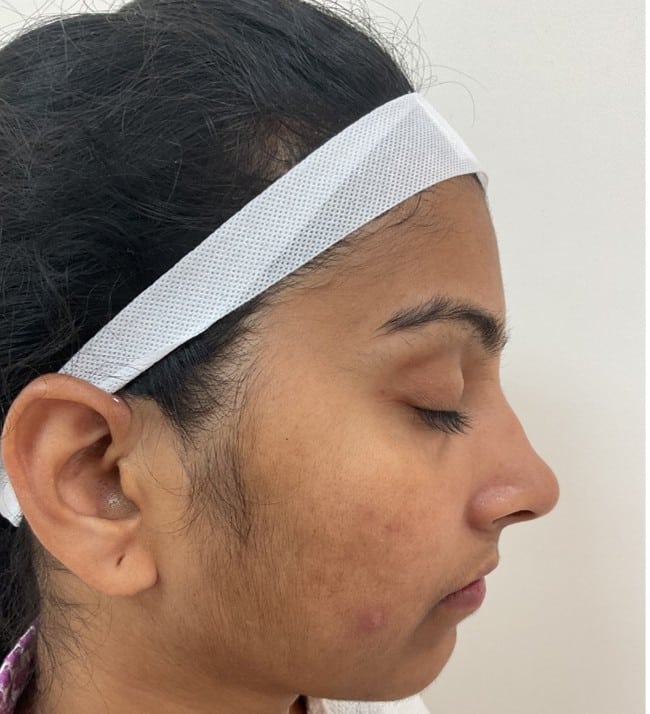 After
After
Client Name : Mrudula
Client ID: BGM06C4136
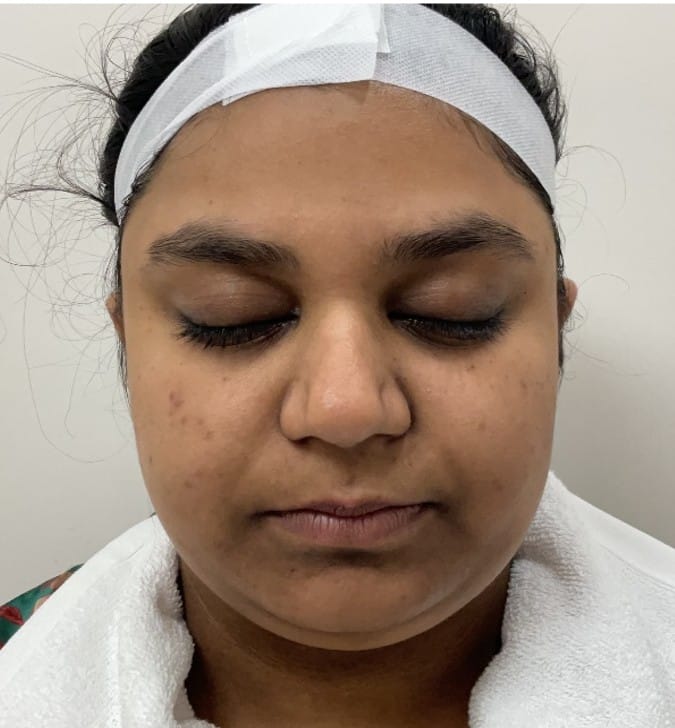 Before
 After
After
Client Name : Yogita
Client ID: GBO6C10205
 Before
 After
After
Client Name : Latha Sahu
Client ID: SEC02C40081
 Before
 After
After
Client Name : Ekta Dutta
Client ID: JP01C2020
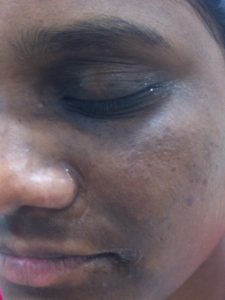 Before
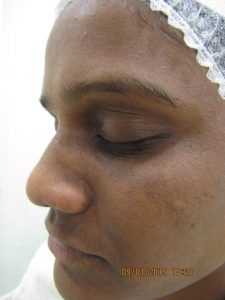 After
After
Client Name : Abhigan
Client ID: SEC02C27520
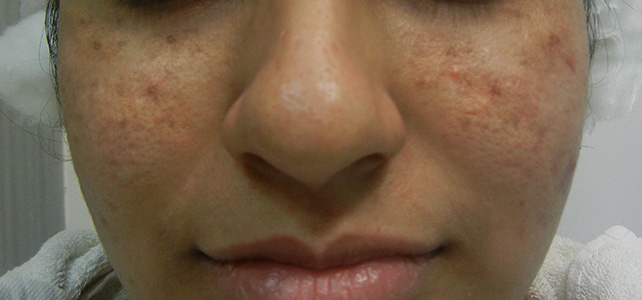 Before
 After
After
Client Name : Prasanna Ravela
Client ID: SC01C6987
 Before
 After
After
Client Name : Dharani Dharan
Client ID: AN01C2729
 Before
 After
After
Client Name : Divya R
Client ID: HR04C1835
 Before
 After
After
Client Name : Rahul Ganga
Client ID: JH04C6779
How To Reduce Facial Dark Spots?
Here are some tips from the dermatologist’s desk that can help in preventing and dealing with your dark spots
- Try to avoid overexposure to the sun and ensure that you always apply a layer of sunscreen with SPF 30 or more before stepping out.
- Choose the right skin care products for your skin type.
- Pay attention to the skin care and cosmetic products that you are currently using and discard the ones that cause irritation or redness.
- Topical medications for dark spot lightening like Retin-A are easily available and can be used as prescribed by your dermatologist.
- Stock up on topical medications that have vitamin C as an active ingredient as it can help in reducing the discoloration of your skin.
Must Read: How To Get Fair Skin Quickly?
Takeaway
Now that you are aware of the various treatments to remove pimples and black spots quickly, do not wait any longer to fulfil your dream of flaunting clear and glowing skin! Undertake the right treatment and follow the dark spot removal tips suggested by dermatologists to ensure that you do not face this problem again.
Frequently Asked Questions On Dark Spots On Face
Yes, targeted face creams enriched with active ingredients such as Niacinamide, alpha arbutin, or Vitamin C can help in eliminating dark spots on face over time. These ingredients work by reducing excess melanin, lightening small dark spots on face or stubborn black marks on face, and promoting an even skin tone with regular use.
Small dark spots on face may respond to home remedies, but persistent or deep black marks on face require professional evaluation. Dermatologist-guided black mark face treatment ensures safe, effective, and long-lasting results.
Side effects are usually minimal when treatments like chemical peels or microdermabrasion are performed by professionals. Mild redness or peeling may occur temporarily. Following post-treatment care and sun protection ensures safe and effective black mark face treatment.
For laser toning treatment, patients may require 4–6 sessions depending on the size and depth of the dark spots. This helps in black spots removal facial effectively, restoring clearer, even-toned skin.
Effective black mark face treatment options include laser toning, chemical peels, and microdermabrasion. These procedures target melanin directly, helping fade facial black spots faster than home remedies. Treatments should always be done by a certified dermatologist.
Mild pigmentation like small dark spots on face can sometimes be reduced using natural remedies such as aloe vera, lemon juice, turmeric paste, or honey and yogurt masks. Consistent use, gentle care, and sun protection are key to gradually eliminating dark spots on face.